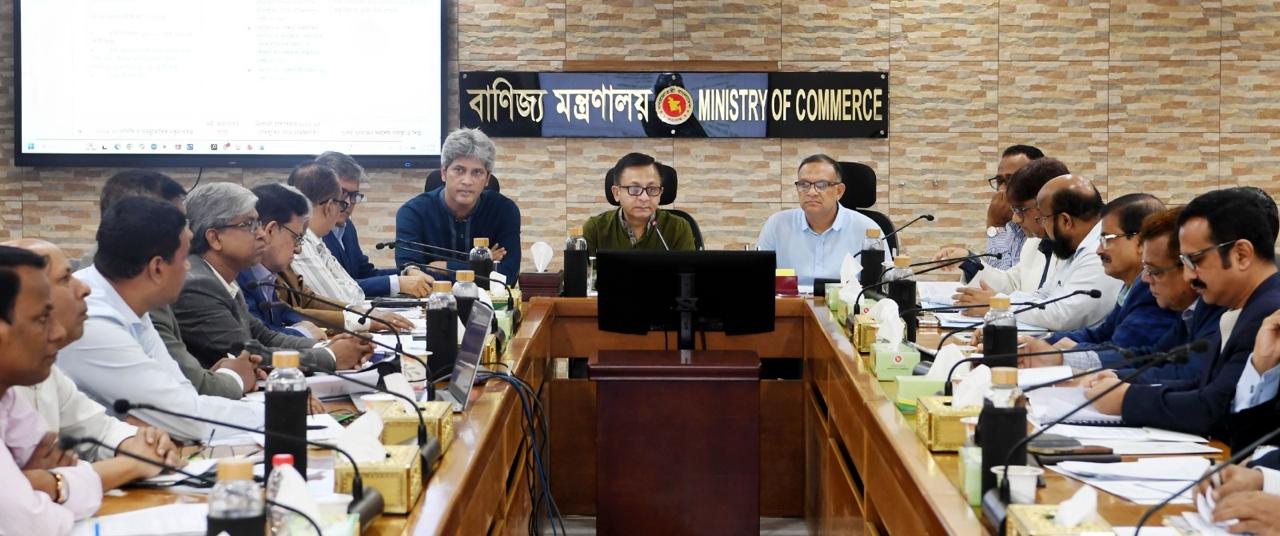


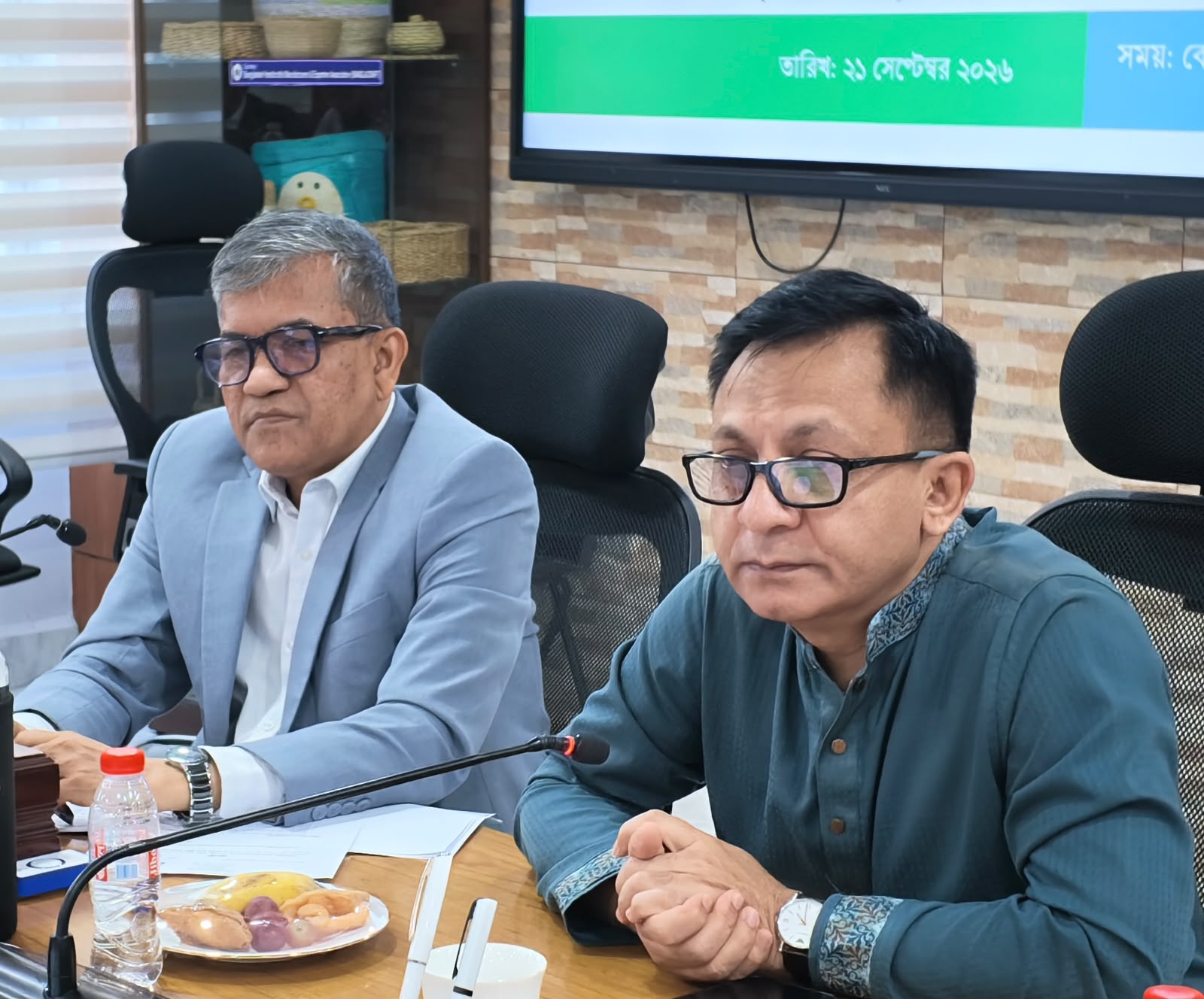

At a review meeting on the supply and price situation of daily necessities at the Secretariat, he said that not only during Ramadan, but throughout the year, coordination among traders, importers, producers and government agencies in market management will be increased. If there is an attempt to raise prices irrationally or make excessive profits, necessary measures will be taken.

The minister said disruptions in gas supply, transport problems and adverse weather have affected the market in some areas. However, as winter is ahead, the supply situation will improve when new vegetables arrive in the market.

He said monitoring will be increased in coordination with the Ministry of Commerce, the National Directorate of Consumer Rights Protection, law enforcement agencies and district administrations. Stock, import and supply situations will also be reviewed through regular meetings with importers.
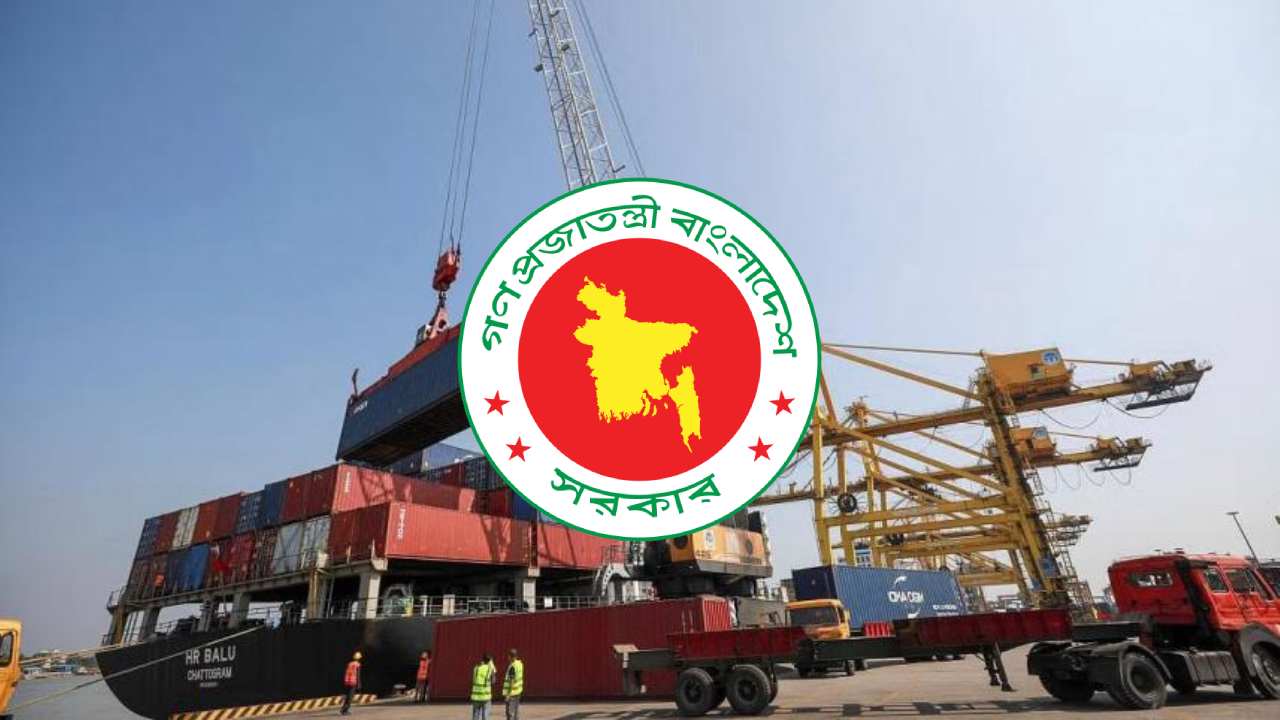
Information presented at the meeting showed that the import situation of daily necessities is positive compared with last year. Although 42,000 metric tons of lentils were imported from July 1 to September 15 last year, this year during the same period it increased to 106,000 tons. Imports of raw materials for edible oil also increased from 273,000 tons to 386,000 tons.

The commerce minister said that an initiative is being taken to launch a traceability program to increase transparency and accountability in the supply system from production of goods to consumers. The government and private sector must work in coordination to ensure adequate supply, reasonable prices and consumer confidence.