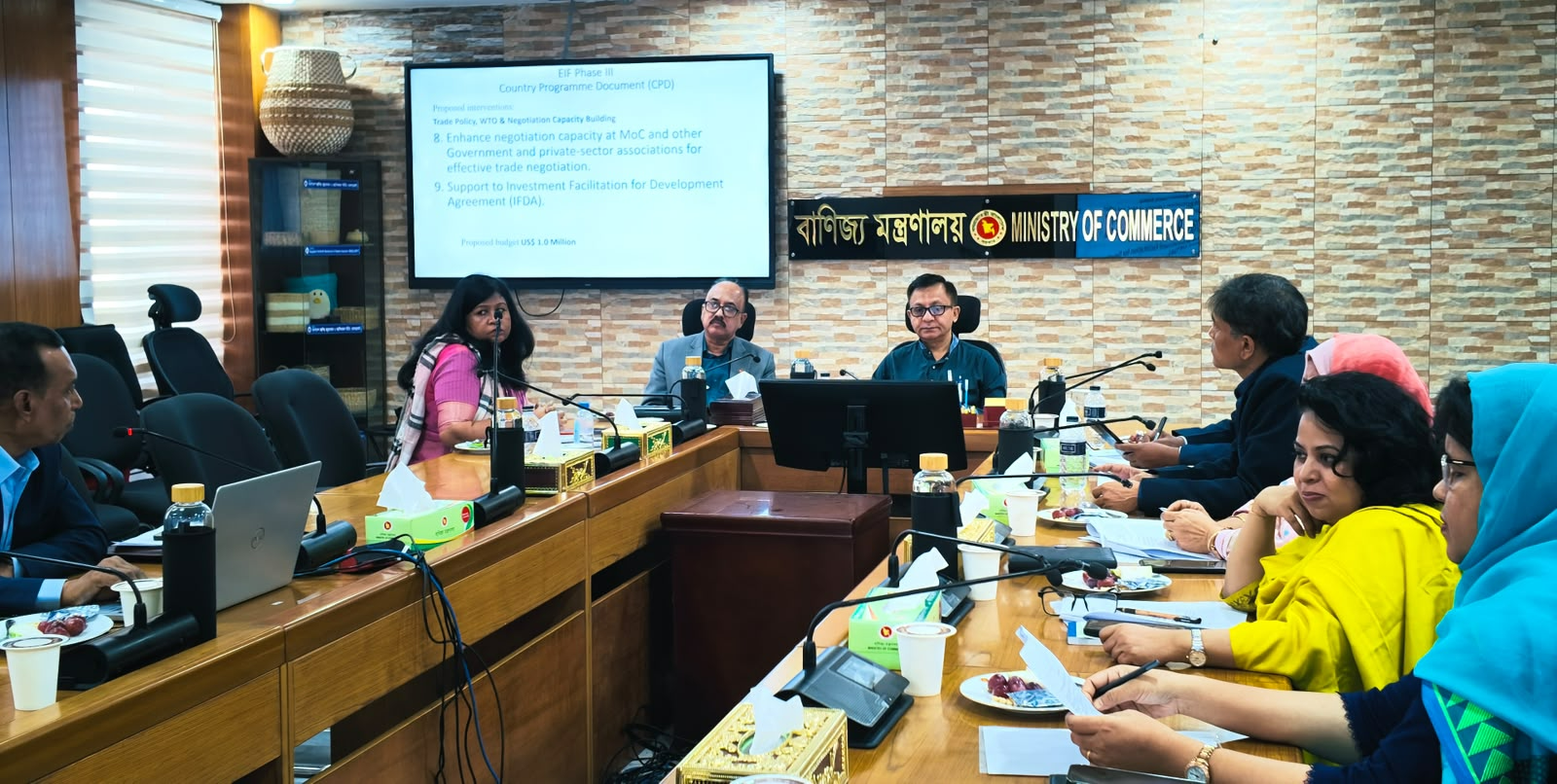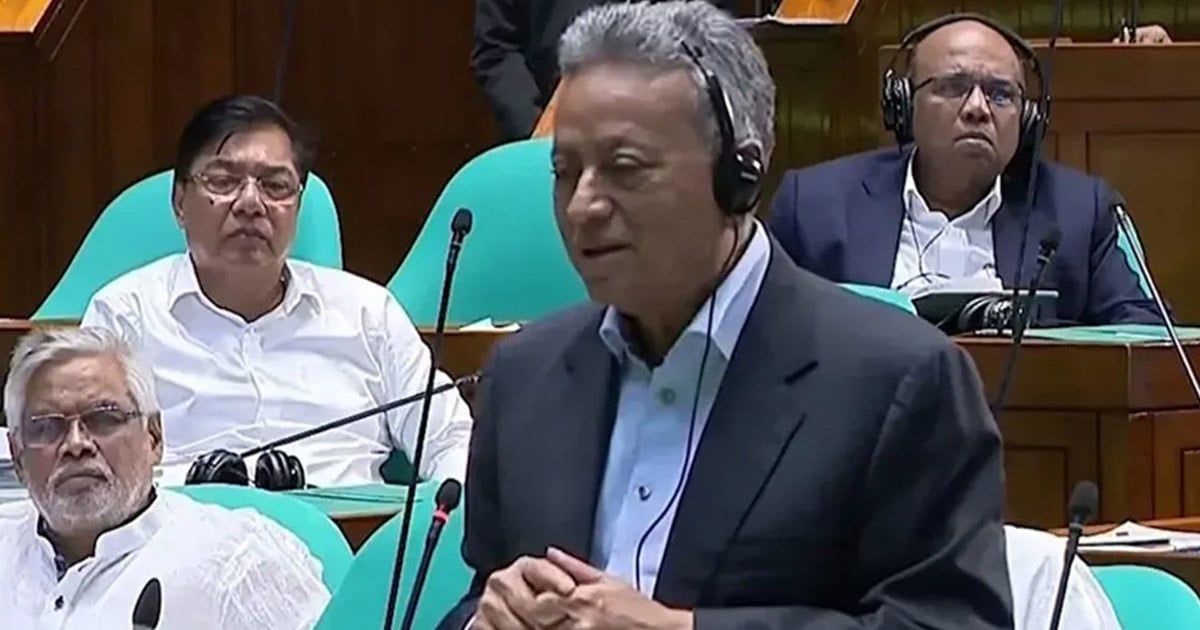

Noting that export diversification is one of the main priorities of the economy, the commerce minister said special importance is being given to the development of leather and leather goods, non-leather footwear, shipbuilding and recycling, and light engineering industries alongside readymade garments. There are plans to set up a new central effluent treatment plant (CETP) in Savar Leather Industrial City to ensure international environmental standards and compliance. Alongside, an initiative is being taken to obtain Leather Working Group (LWG) certification. He also said there are plans to bring the country's gold industry under an institutional framework and develop it into an industry capable of exporting gold ornaments within the next few years. To increase Bangladesh's trade capacity in the international market, discussions are ongoing on Economic Partnership Agreements (EPAs) with Japan and South Korea and Free Trade Agreements (FTAs) with the United Arab Emirates, Malaysia, Singapore, and the European Union. In addition, policy approval has been received regarding Bangladesh's inclusion in the regional trade bloc RCEP. The minister also presented plans to prevent duplication and lack of coordination in development projects, enhance the skills of project directors, and transform the Bangladesh Foreign Trade Institute into a specialized institution.


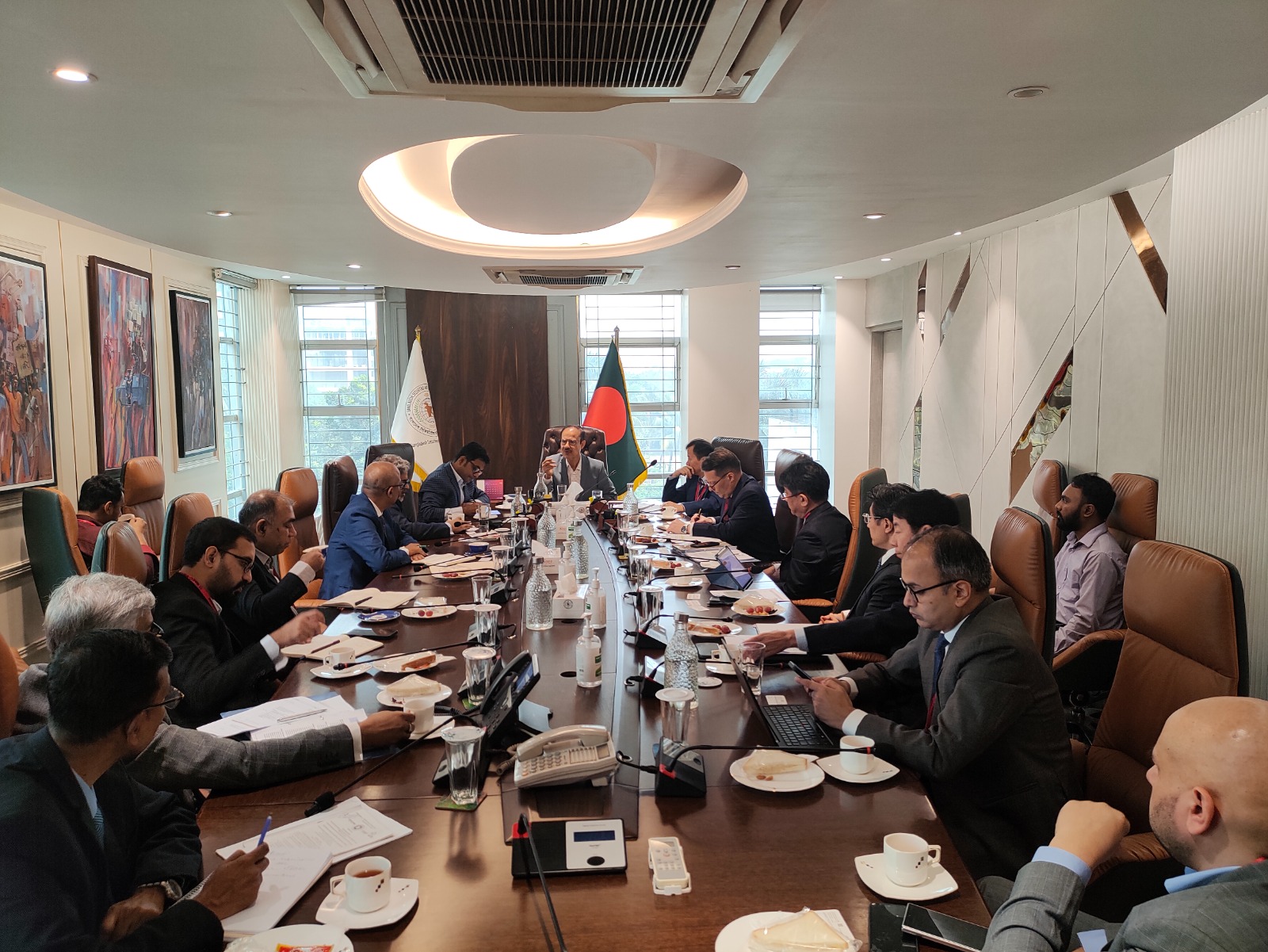
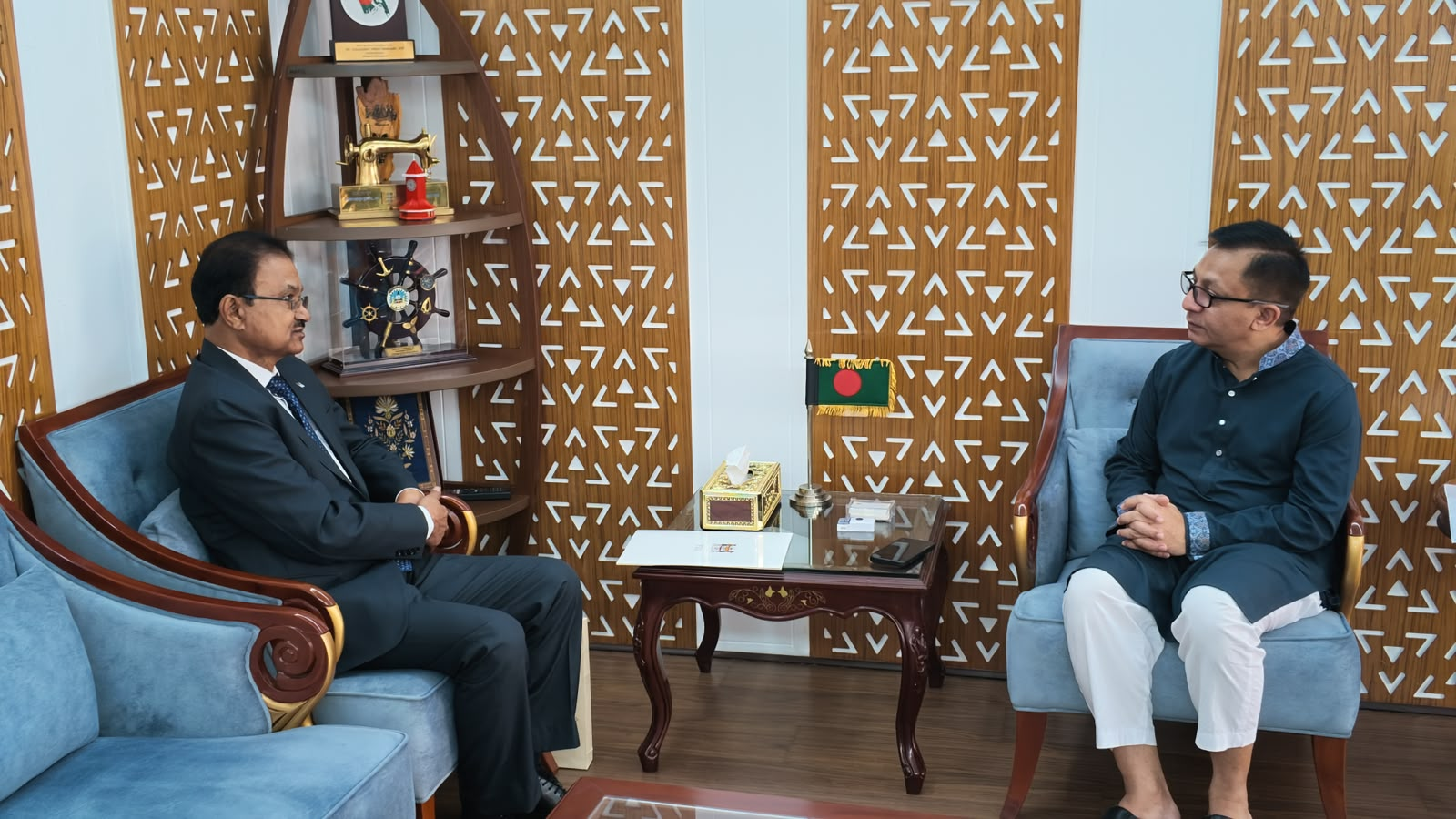
World Bank Division Director Jean Pesme assured support for trade facilitation, implementation of the National Single Window, skills development in the leather and light engineering sectors, and research related to FTAs. He said the World Bank Group and the International Finance Corporation (IFC) are interested in working jointly to increase the capacity of Bangladesh's private sector and productive industries. Sebastian Eckardt, Regional Practice Director of the World Bank's Prosperity Department, said the next three to four years are very important for Bangladesh before LDC graduation. If trade policy reforms, removal of tariff and non-tariff barriers, and integration into global value chains can be achieved during this time, foreign investment and employment will increase significantly. He also expressed interest in providing training and technical support to enhance the bargaining capacity of Bangladeshi officials in FTA negotiations. World Bank Lead Economist Souleymane Coulibaly said reforming the para-tariff and supplementary duty structure can play an important role in increasing export competitiveness. If trade reforms and logistics infrastructure development can be carried out using Vietnam's experience, a major opportunity will be created to increase Bangladesh's export earnings and employment. At the meeting, senior World Bank officials as well as Additional Secretary of the Ministry of Commerce Dr. Ahmad Ullah, Khadija Nazneen, and other related officials were present.