

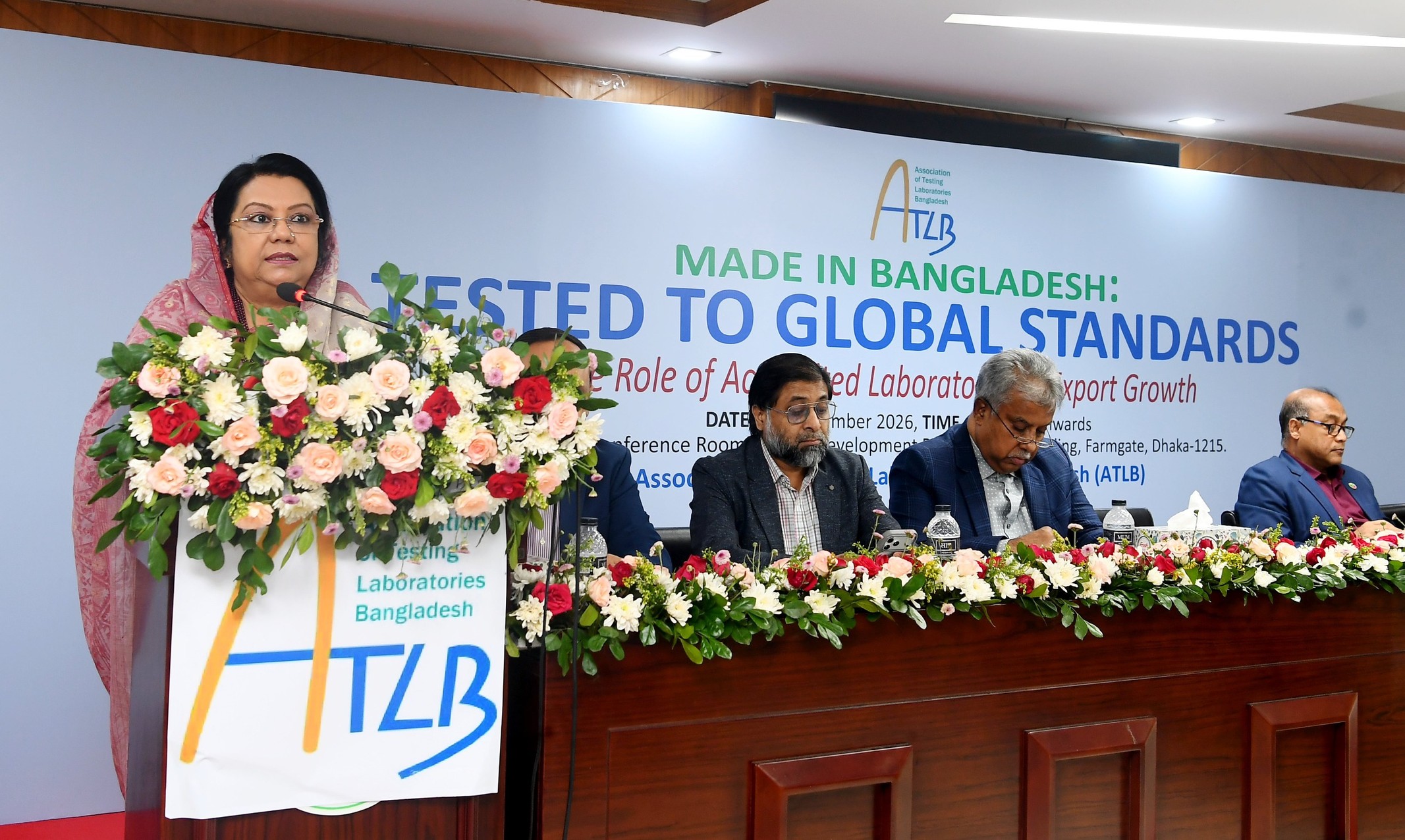

The Food Minister said that Prime Minister Tarek Rahman has emphasized ensuring safe food for every citizen of the country. The government is working to implement this goal. Although the activities of the Bangladesh Food Safety Authority began in 2013, due to various limitations in the intervening period, the institution did not achieve its expected development. The current government has taken various initiatives to make the institution more capable and effective.

The Food Minister said that alongside ensuring the quality of export-oriented products, safe and quality food must also be supplied to the country's domestic market. It is not acceptable to produce quality products for export and supply low-quality products to the domestic market. In particular, to ensure safe food for children, she called on businessmen and entrepreneurs to conduct business with honesty, awareness and responsibility.

The Minister said that it is necessary to reduce delays in business, trade and product testing and to shorten the timelines for government services. Businessmen face problems because long time is spent processing files and making decisions. The government is working to eliminate these complexities. To ensure safe food, a five-year action plan will be formulated with relevant ministries, institutions and stakeholders, including commerce and agriculture, through continuous discussions and integrated planning. Their proposals will be verified and initiatives will be taken to implement them in the interest of the country.
She also said that a plan has been taken to set up three laboratories in Dhaka, Khulna and Chattogram with JICA financing. The Dhaka laboratory is planned to be set up in Ashulia and the Chattogram one in Halishahar. If the laboratories can be fully operational within the next three years, dependence on other institutions for food testing will decrease and it will be possible to get test results quickly.

The Food Minister said that while ensuring the optimum use of the capacity of existing laboratories, capacity must be increased for testing pesticide residues, chemical ingredients, heavy metals, mycotoxins and microorganisms in line with the demands of the export market.

Emphasizing coordination among public and private laboratories, the Bangladesh Food Safety Authority, BSTI and institutions related to consumer rights protection, she said that testing the same product repeatedly at different institutions costs businessmen time and money. Discussions will be held with the relevant parties to reduce such duplication and complexity and ensure integrated services.
Emphasizing honesty, accountability and ethics to ensure food safety, she said that influencing test reports in exchange for money or issuing certificates unethically is not acceptable. Effective enforcement of laws and provisions for strict and realistic punishment for crimes are needed to prevent food adulteration and irregularities. Food quality must be ensured through the conscience, ethics and sense of responsibility of businessmen.
She said that to ensure safe food, the government and private institutions, businessmen, laboratories, experts and all relevant stakeholders must work collectively. Through mutual cooperation, integrated initiatives and effective planning, it is possible to build a safe food system in the country.
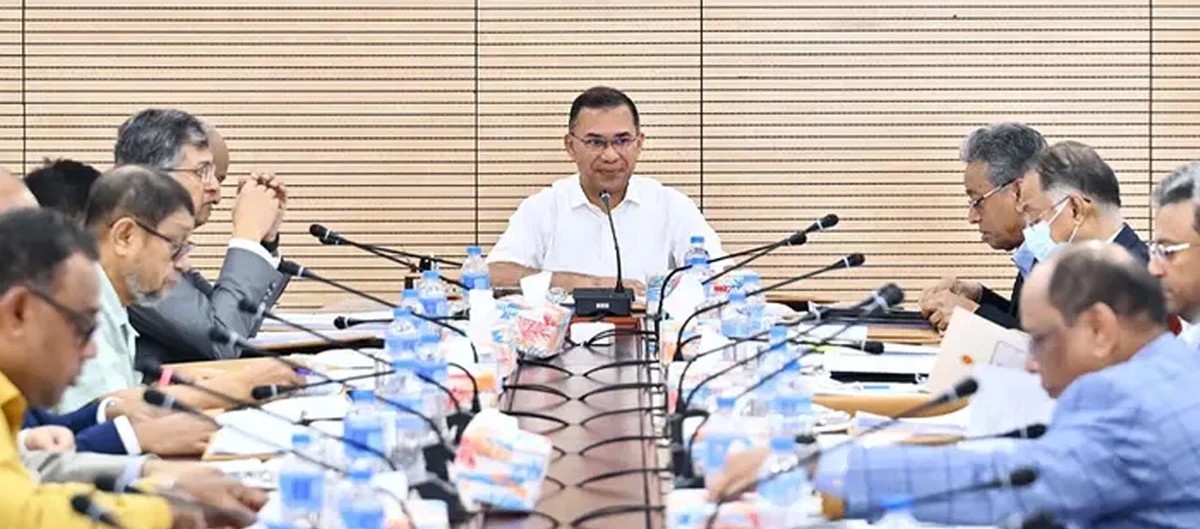
The keynote was presented by Professor Noman Faruk Ahmed. Special guests who spoke were FBCCI Administrator Md. Fazlul Hoque and Chairman of the Bangladesh Food Safety Authority Md. Shafiqul Islam. The session was presided over by Mr. Ahsan Habib. FBCCI Administrator Md. Fazlul Hoque said that caution must be taken so that the cost of product testing does not become a cause of increasing product prices.
Relevant stakeholders, experts, academics, businessmen, entrepreneurs and media workers were present at the seminar. After the seminar, the Food Minister visited various stalls.