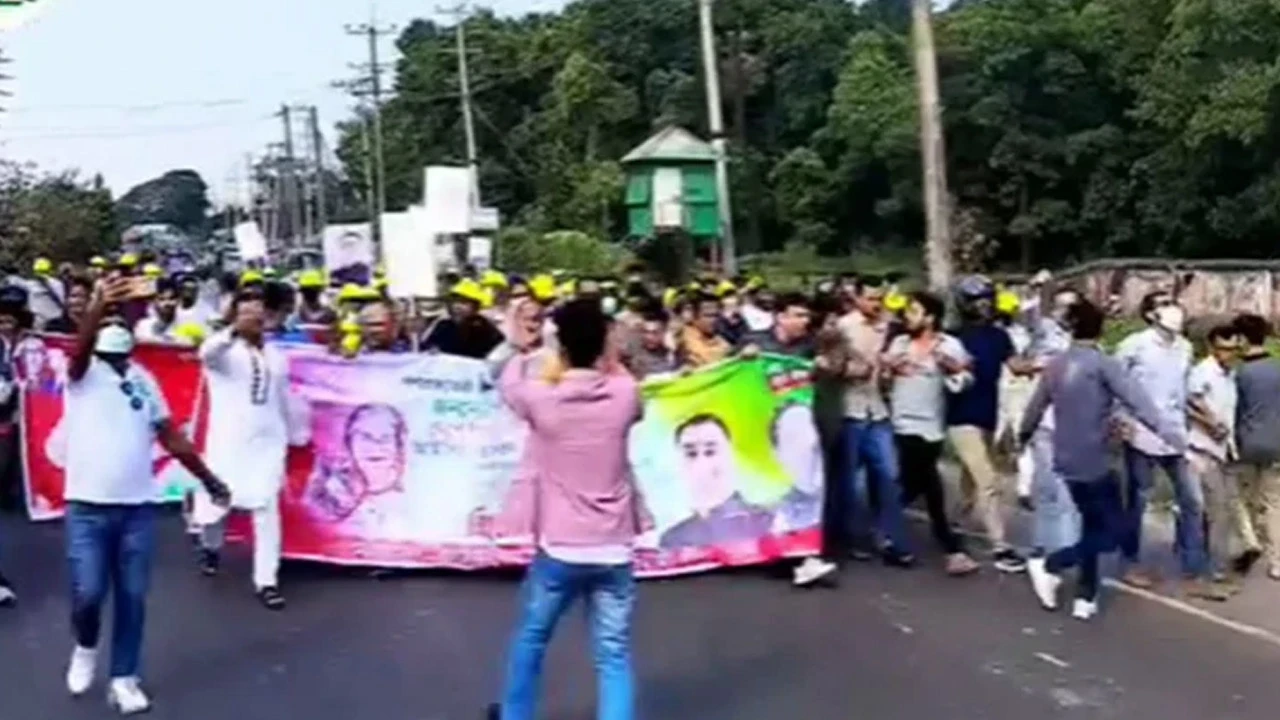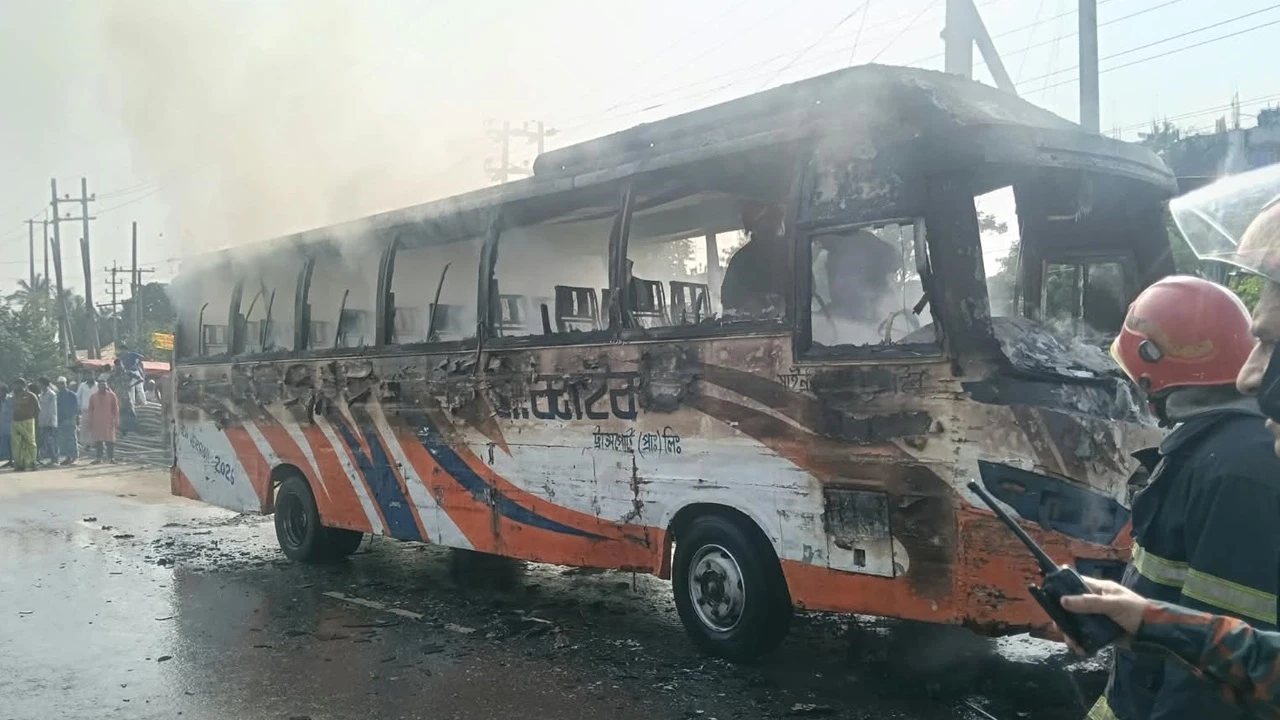


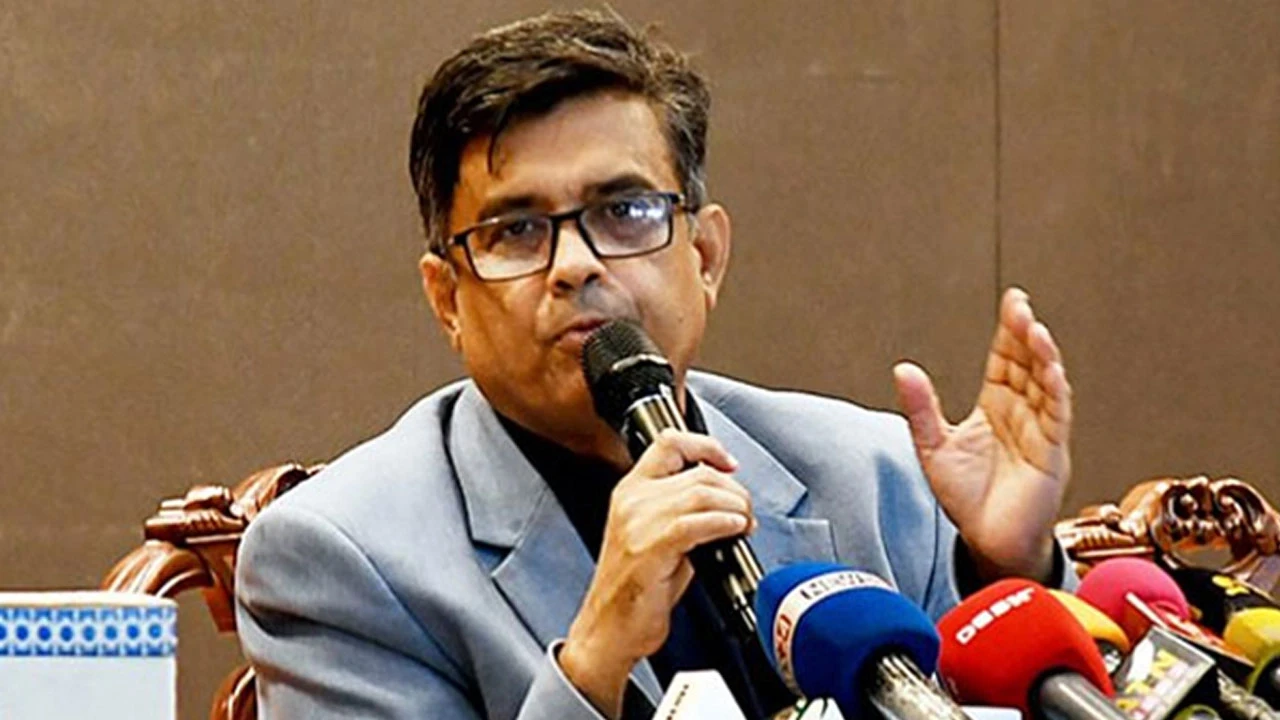

He said that incidents of Indian media spreading false and unverified information about Bangladesh could not divide the country; rather, they further strengthened unity among the people and political parties of Bangladesh.

He disclosed the matter in a Facebook post on Friday (November 27). In the post, he described reports of attacks and arson on 300 Hindu homes in Bangladesh as untrue.

Shafiqul Alam wrote in the post that sometimes when fake news spreads, it dramatically backfires on the liars. Indian Godi media outlets recently published many reports relying on unverified sources. Those reports claimed that 300 Hindu homes in Bangladesh had been set on fire or attacked. He also spoke about the purpose of this propaganda.
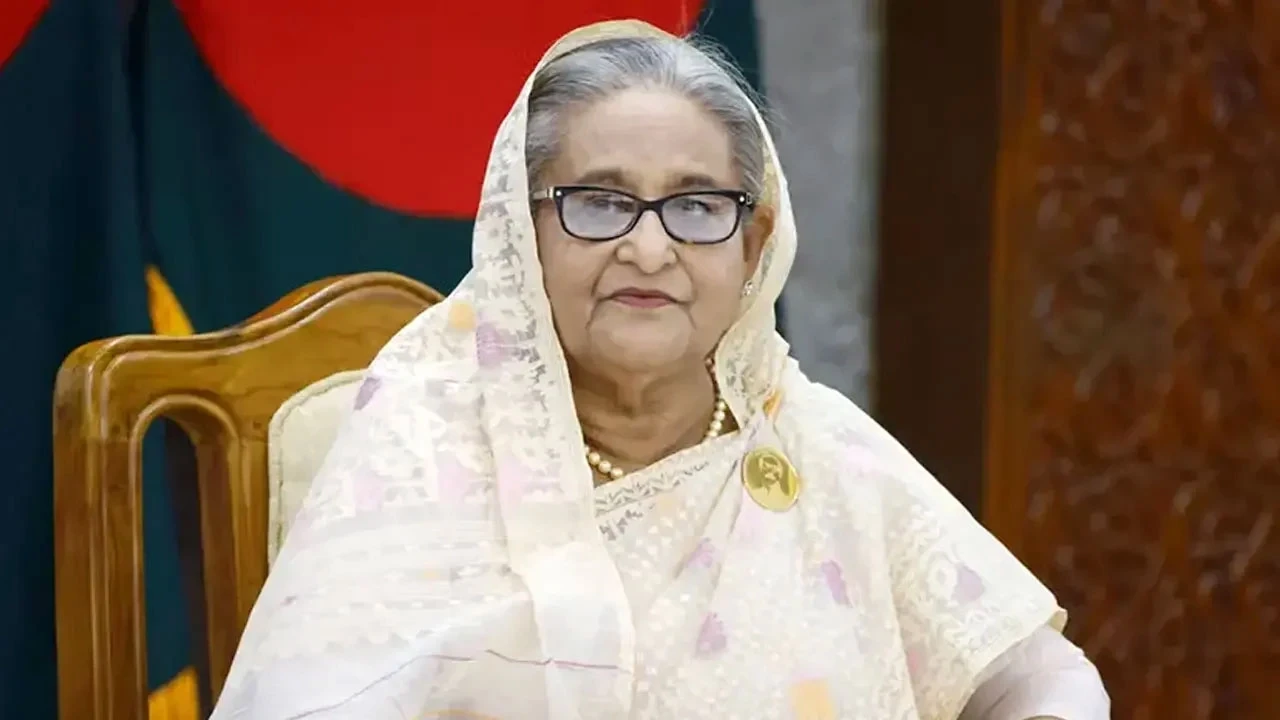
In the post, he wrote, ‘Clearly the purpose was to incite anti-Bangladesh and anti-Muslim sentiment. At the same time, it was to compare the current situation with the era of their preferred leader. That leader is former Prime Minister Sheikh Hasina, who is now disgraced and condemned in Bangladesh.’

However, according to Shafiqul, this propaganda produced a different result. He wrote, ‘But this disinformation has had an unintended consequence. Bangladesh's minority groups largely rejected these reports. They made clear that the incidents are not communal but political. They also pointed out that many of these attacks were actually carried out by activists of the banned Awami League.’

He also spoke about remarks by leaders of India's ruling party. He wrote, ‘Moreover, this wave of fake news triggered a storm of hostile statements against Bangladesh from BJP leaders, including ministers and MPs. Many of these politicians now seem to be competing over who can take the most aggressive anti-Bangladesh position.’
His opinion on the reaction to these statements was, ‘These verbal attacks based on fake news have further united Bangladesh's political parties and society. Provocative remarks, such as West Bengal politician Arjun Singh's hint of attacking and occupying Bangladesh, have generated widespread anger across the country.’
Shafiqul Alam further wrote that ultimately these threats destroyed the political opportunity that Hasina and the Awami League had hoped for. “July Unity” has largely been revived. First, because of the actions of Hasina and her loyalists in Gopalganj. Second, because of these threats to Bangladesh's sovereignty from India's ruling politicians. As a result, anti-India sentiment has returned to a sharp level again.
In the final part of the post, he wrote that Hasina, her supporters, and the media spreading these narratives probably never thought things would turn out this way. The stories built around the incidents in Narail backfired. This made their grand political design collapse.