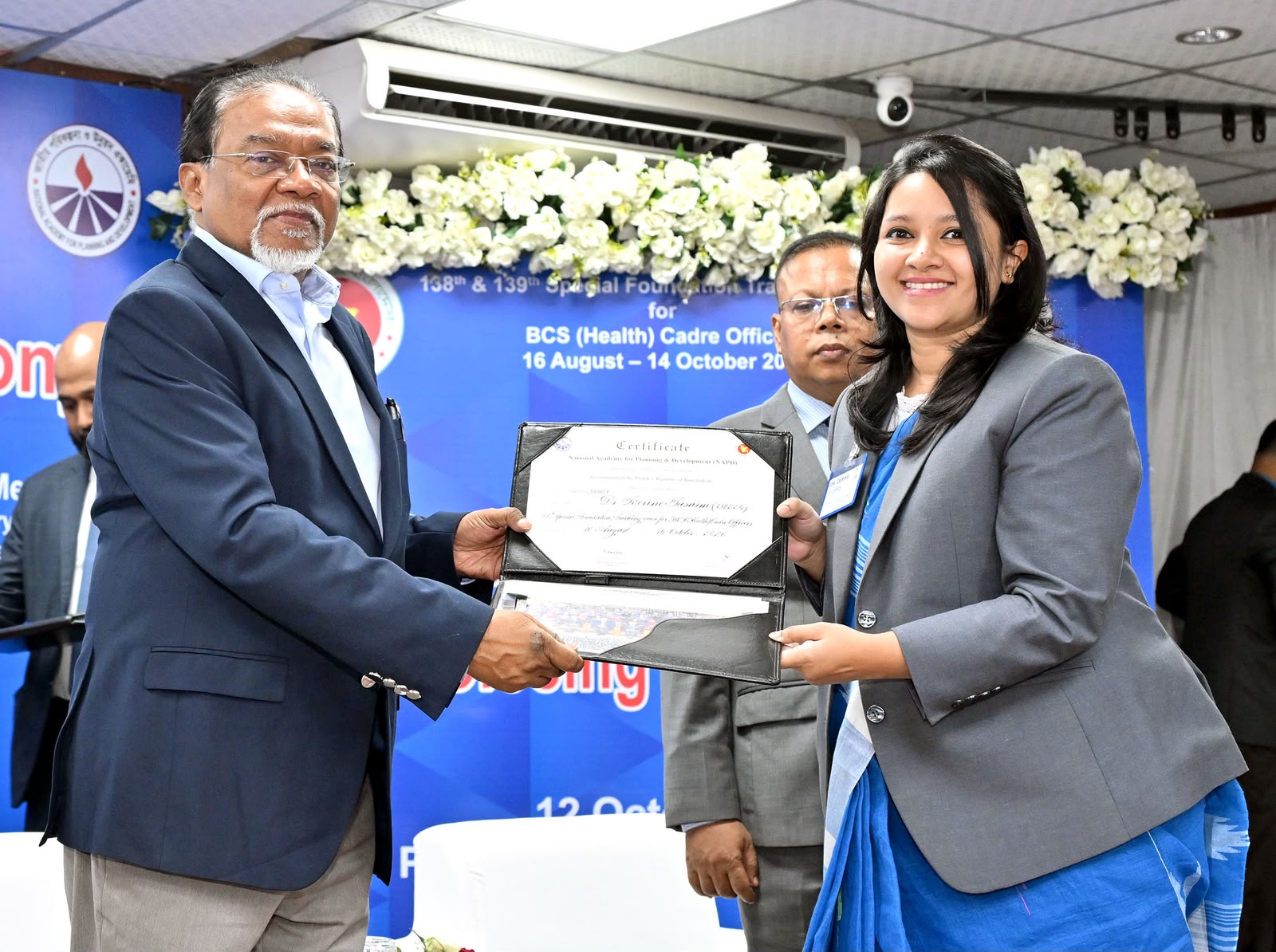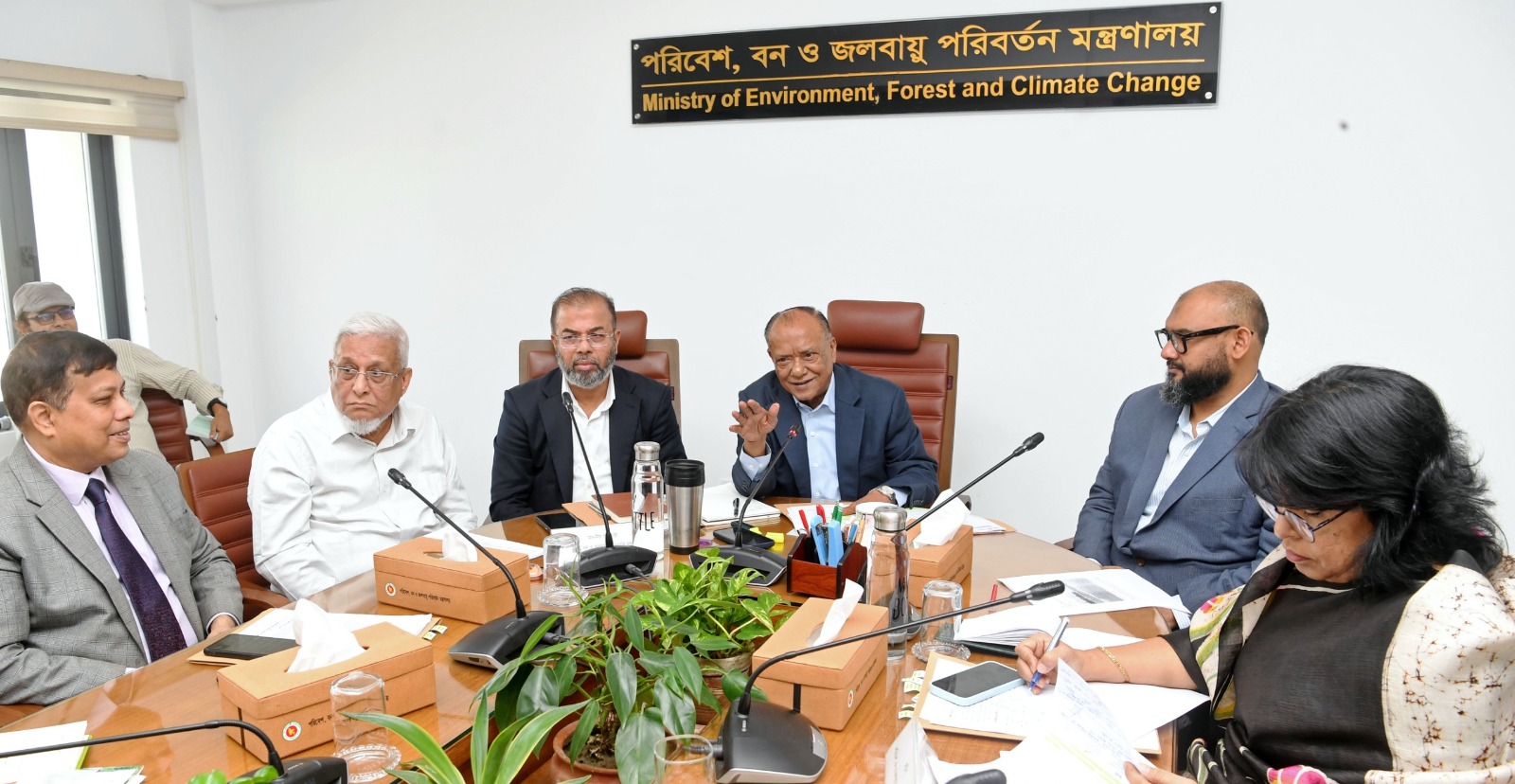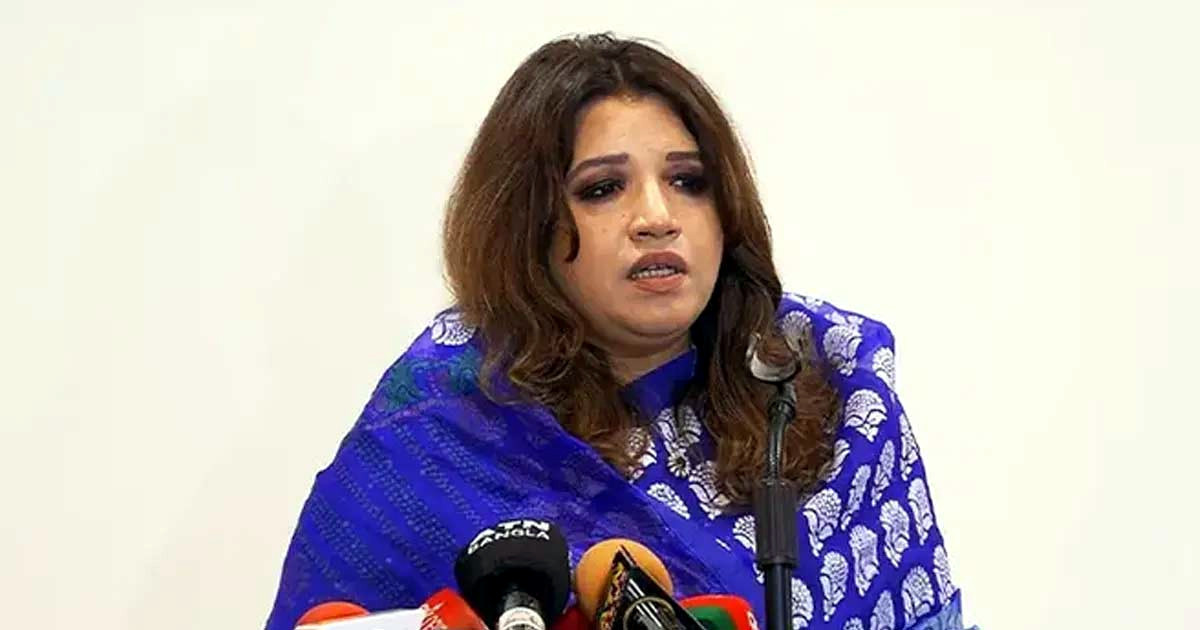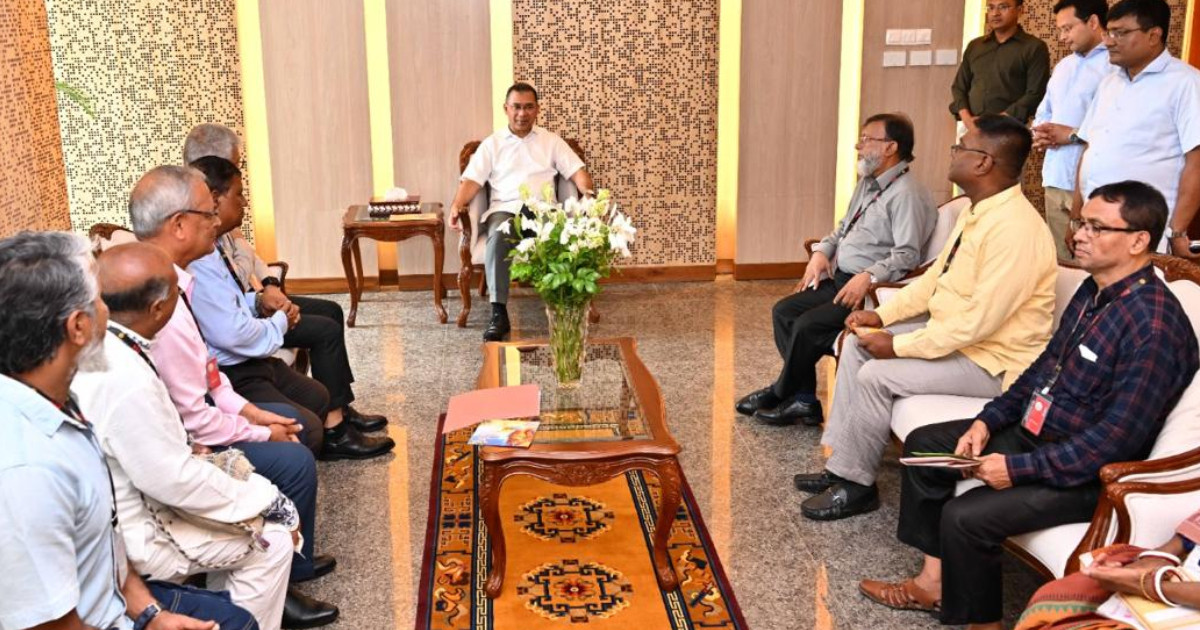




Today, Monday (17 August 2026), he made these remarks as the chief guest at a review meeting on the use of solar power in departments, agencies and institutions under the Local Government Division and the Rural Development and Cooperatives Division, held at the conference room of the Local Government Division at the Secretariat.

The State Minister said there is a plan to use solar power on the rooftops of government offices. Through this, it will be possible to reduce electricity costs in government institutions as well as increase the use of renewable energy. He said solar power use has already started at the Parliament Building, and this initiative will gradually be expanded to other government offices.

He further said that if solar power is introduced at the head offices of departments and agencies under local government, government electricity costs can be significantly reduced. There is a plan to ensure this initiative is not limited to the central level, but is gradually implemented in every office at district, upazila, municipality and union levels.
The State Minister informed that through the net metering system, excess electricity generated from solar power in local government departments and agencies can be supplied to the national grid. Supplying excess electricity to the grid will create opportunities for local government to generate revenue.

Regarding the implementation process, he said two separate committees will be formed, led by two additional secretaries from the Local Government Division and the Rural Development and Cooperatives Division. Based on discussions with institutions involved in the solar power sector, such as Walton, Pran-RFL and Grameen Shakti, these committees will take decisions on the method, possible costs and other relevant matters of introducing solar power in government offices.

It was mentioned at the meeting that the Cabinet Division issued guidelines on 10 August for implementing the decision to increase solar power use in government offices. In that circular, it was stated that the majority of electricity used in official work at Bangabhaban, Cabinet Division, Prime Minister's Office, Planning Commission and Finance Division should come from solar power. In continuation of this, initiatives are being taken to expand solar power use in institutions under the Local Government and Rural Development and Cooperatives Divisions.
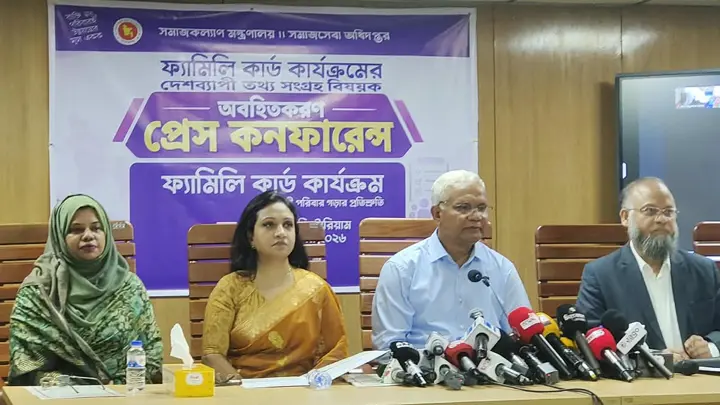
After the meeting, the State Minister briefed journalists. During the question-and-answer session after the briefing, he said work is underway to formulate a separate set of rules to regulate battery-run rickshaws (e-rickshaws). At that time, he also presented a brief overview of the Local Government Ministry's 180-day activities and said the government has a plan to complete elections of the five tiers of local government within the current fiscal year.
Also present at the meeting were Local Government Division Secretary Md. Shahidul Hassan, Rural Development and Cooperatives Division Secretary Mohang Shawkat Rashid Chowdhury, Dhaka WASA Managing Director Md. Aminul Islam, Registrar and Director General of the Cooperatives Directorate Md. Selim Fakir, NDC, Bangladesh Rural Development Board Director General A.K.M. Tareque, Chief Engineer of the Public Health Engineering Department Md. Abdul Awal, Chief Engineer of Local Government Engineering Department (LGED) Md. Belal Hossain, Bangladesh Rural Development Academy (BARD), Comilla Director General Saif Uddin Ahmed, along with heads of various departments, agencies and institutions under the Local Government and Rural Development and Cooperatives Divisions and senior officials of the ministry.