


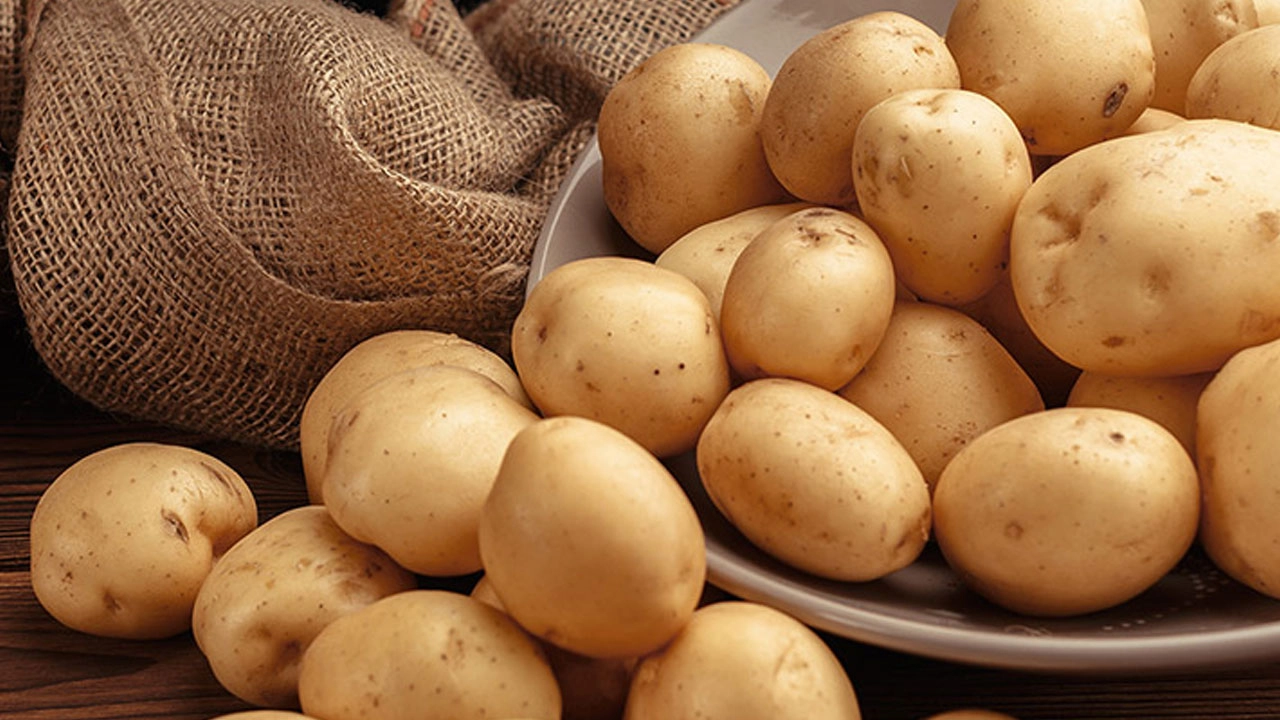

The history of this global triumph of potato is quite old. About 8,000 years ago, potato cultivation first began in the Andes mountain range of South America (in the present-day Peru and Bolivia region). In the sixteenth century, this crop reached Europe through Spanish explorers, and from there it gradually spread to every corner of the world.

Currently, there are more than 5,000 varieties of potato worldwide. Potatoes are available in red, white, yellow, and even a wonderful purple color, each distinct in taste and characteristics.

In terms of nutritional value, it is also extremely rich. It contains plenty of carbohydrates, potassium, vitamin C, and dietary fiber. However, its nutritional quality largely depends on the cooking method. For example—boiled or steamed potatoes are good for health, while potatoes fried in excess oil or French fries are high in calories.
A tragic chapter is also associated with potato in the pages of history. In the 1840s, Ireland's potato crop was severely damaged by late blight disease. As a result, a terrible famine occurred in the country from 1845 to 1852. This event taught the world—how dangerous it can be to be overly dependent on only one single crop.

No matter which corner of the world it reaches, the way potato has become blended in Bengali food culture is truly unique. Mashed potato, potato chops, hot singara, or the potatoes in mutton and biryani—this ordinary vegetable brings extraordinary satisfaction to our every meal.