

Latest

How Often Should You Take Deworming Medicine?

Advertisement
How Often Should You Take Deworming Medicine?
Although worm infections are more common among children, adults can also be affected. Contaminated food and water, poor sanitation, walking barefoot on contaminated soil and inadequate hand hygiene can increase the risk of worm infections. Therefore, maintaining good hygiene is as important as taking medication.

Signs That May Indicate a Worm Infection

Symptoms can vary depending on the type and severity of the infection. Common symptoms include:

Advertisement
300*250 Ad-A-P1
  • Loss of appetite
  • Abdominal pain or discomfort
  • Nausea
  • Diarrhea
  • Itching around the anus
  • Weakness or anemia
  • Restlessness or disturbed sleep in children

If these symptoms persist, medical advice should be sought.

Advertisement
300*250 Ad One-Green

How Often Should You Take Deworming Medicine?

The frequency of deworming depends on age, type of worm, severity of infection and the person’s overall health condition.

In areas where worm infections are common, many public-health programmes provide deworming medicine to children every six months. However, routinely taking deworming medicine every six months is not necessarily required for all adults. Individual medical advice should be followed.

Advertisement
728*90 Ad One-Y

Albendazole and mebendazole are commonly used to treat several types of worm infections. However, the appropriate medicine, dose and duration depend on the type of infection and the patient’s age.

Advertisement
728*90 Ad One-P

Who Should Take Extra Precaution?

Children, pregnant women, people with chronic health conditions and those who experience recurrent worm infections should avoid taking deworming medicine on their own and consult a healthcare professional.

How to Prevent Worm Infections

  • Wash your hands with soap after using the toilet and before eating.
  • Wash raw fruits and vegetables thoroughly before eating.
  • Drink safe and clean water.
  • Cook food thoroughly.
  • Avoid walking barefoot on soil or in unhygienic areas.
  • Keep fingernails short and clean.
  • Keep toilets and the surrounding areas clean.
  • Discourage children from eating with dirty hands.

Remember: Rather than repeatedly taking deworming medicine without guidance, it is more important to identify the type of infection and receive appropriate treatment. Consult a healthcare professional if you notice worms in the stool or experience persistent diarrhea, severe abdominal pain, unexplained weight loss or anemia.


Advertisement
728*90 Ad One-be
Dhaka Magazine Follow our Google News channel for updates
Health More from
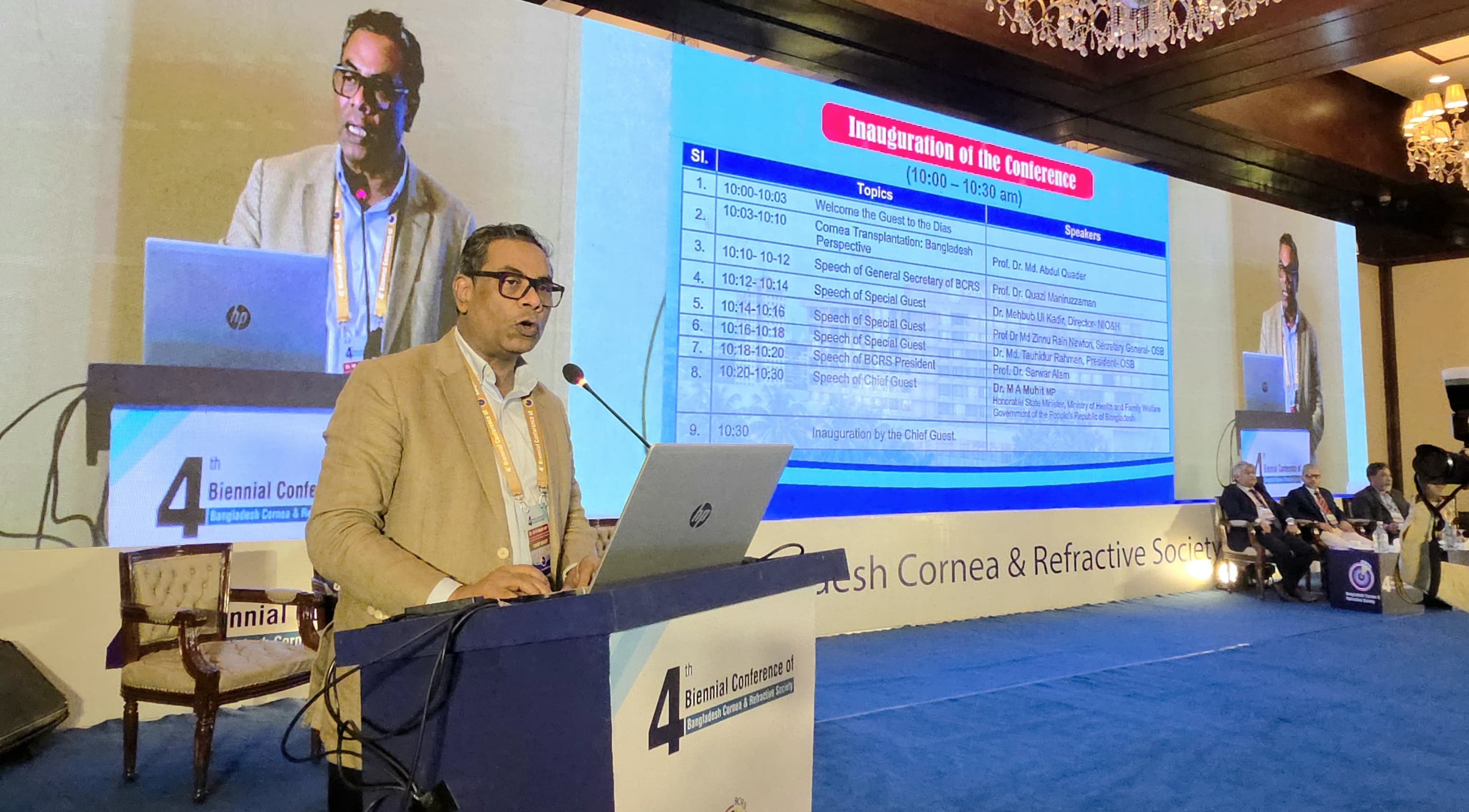
Eye banks will be made active to eliminate corneal blindness: State Minister for Health

Eye banks will be made active to eliminate corneal blindness: State Minister for Health

1 day ago

Meeting of the Health Minister with the UNFPA Representative

Meeting of the Health Minister with the UNFPA Representative

1 day ago

Four more die of dengue, 1,145 hospitalized

Four more die of dengue, 1,145 hospitalized

3 days ago

125,000 deaths a year from antibiotic ineffectiveness: State Minister for Health

125,000 deaths a year from antibiotic ineffectiveness: State Minister for Health

4 days ago
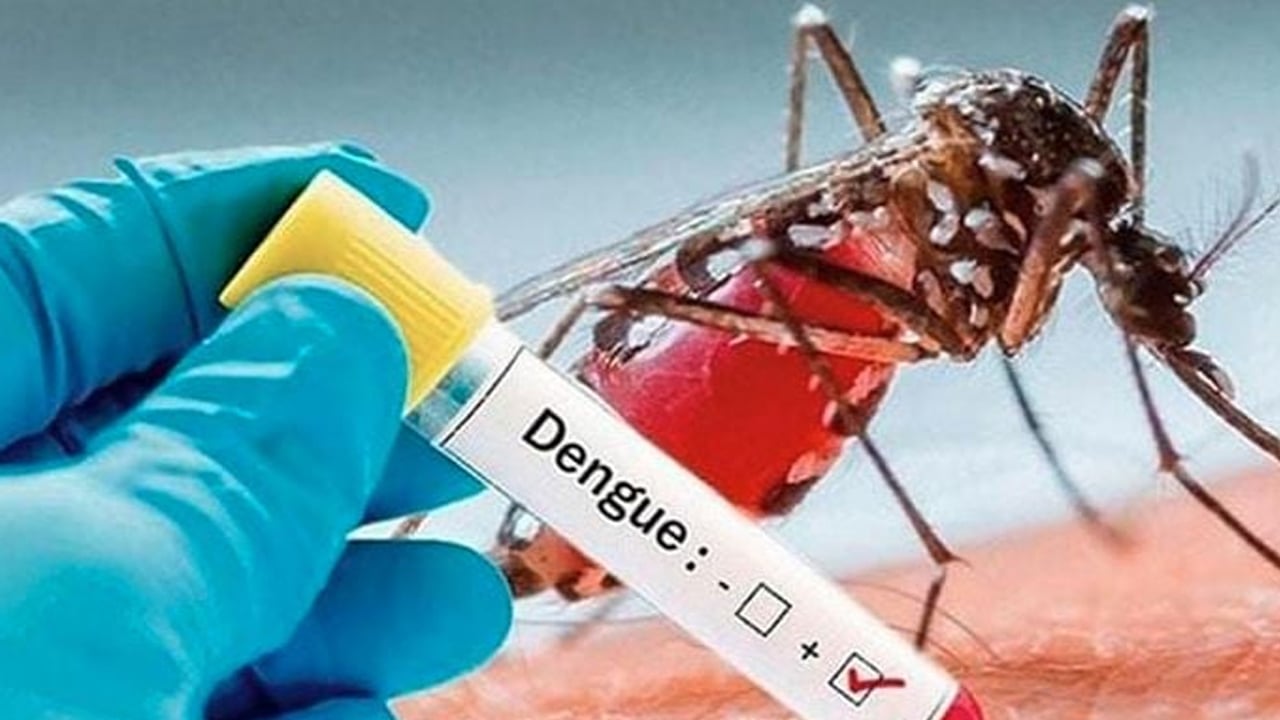
Two more die of dengue, 1,519 newly infected

Two more die of dengue, 1,519 newly infected

5 days ago

Does eating garlic every day reduce stroke risk?

Does eating garlic every day reduce stroke risk?

5 days ago