


The survey, which began on September 27, will continue until October 8. In each of DSCC's 75 wards, information is being collected from 30 randomly selected houses, totaling 2,250 houses.

Seventy-two field workers from DSCC and the Communicable Disease Control unit of the Directorate General of Health Services are participating in the survey. The ‘KoBo Toolbox’ app is being used for data collection. After the survey, the Breteau Index (BI), House Index (HI), Container Index (CI), and Pupal Index (PI) will be determined.

Based on the Breteau Index, areas will be identified as high-risk, medium-risk, and normal-risk. In hotspots identified by the survey, cleanliness campaigns, larvicide application, and special crash programs will be intensified.
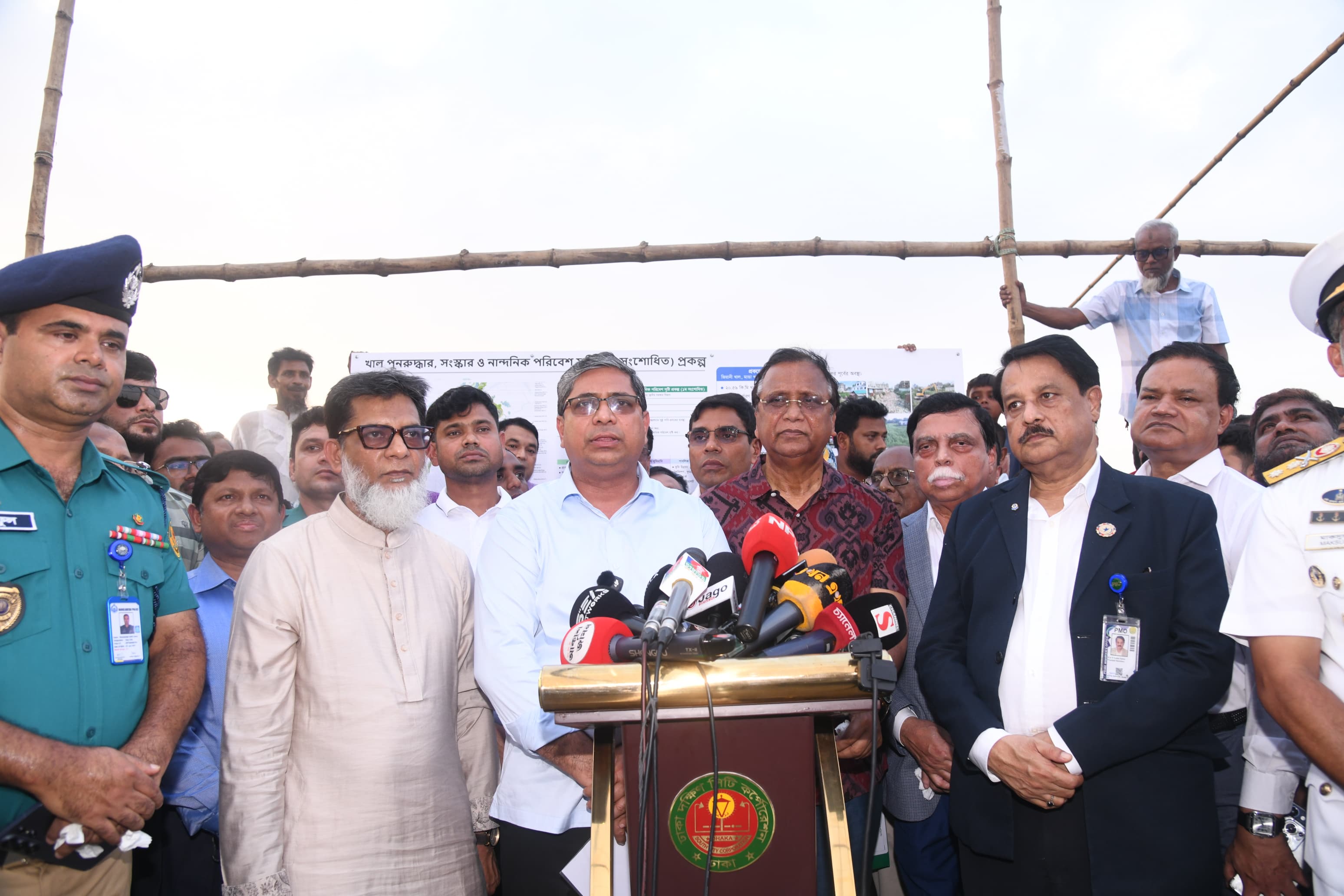
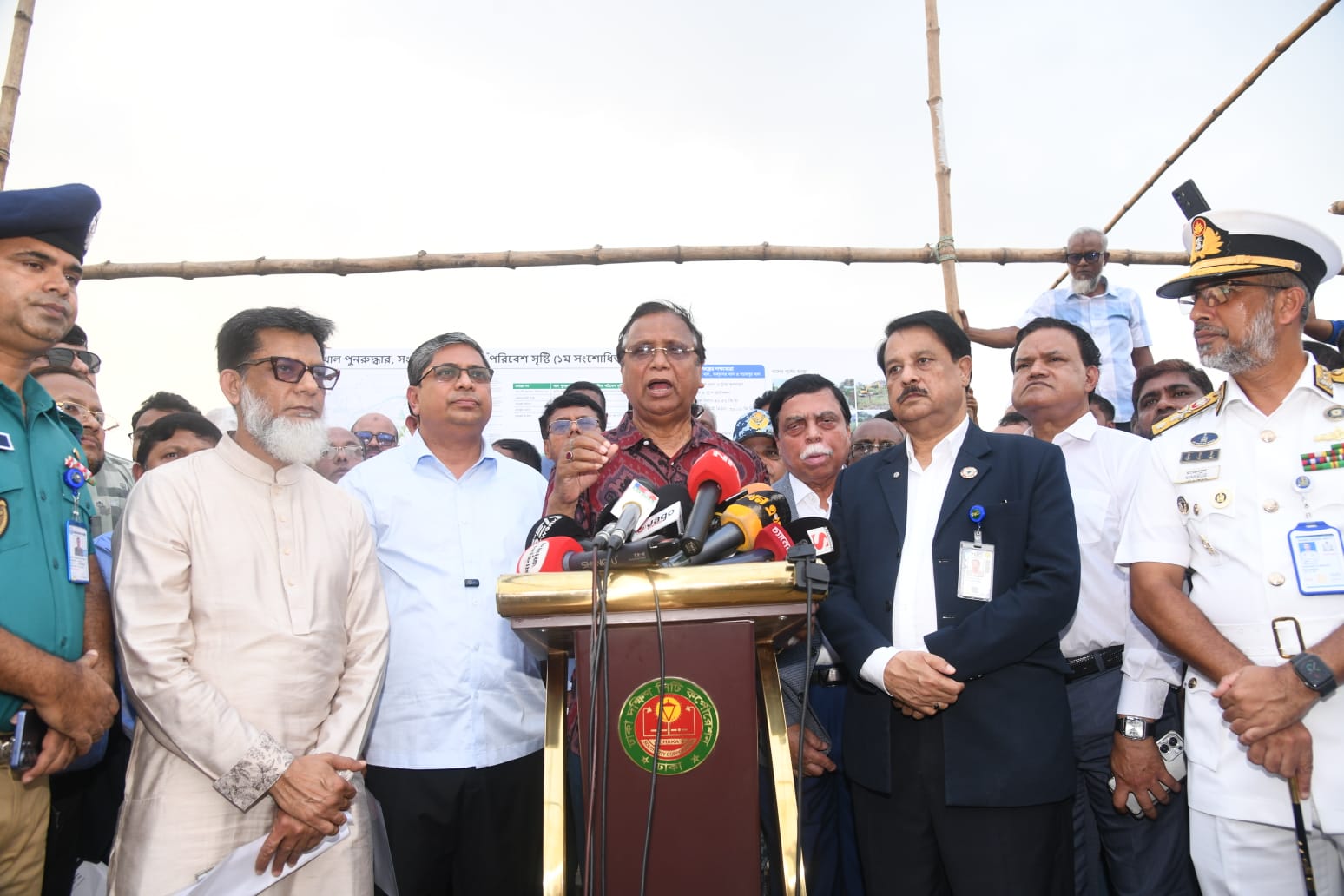
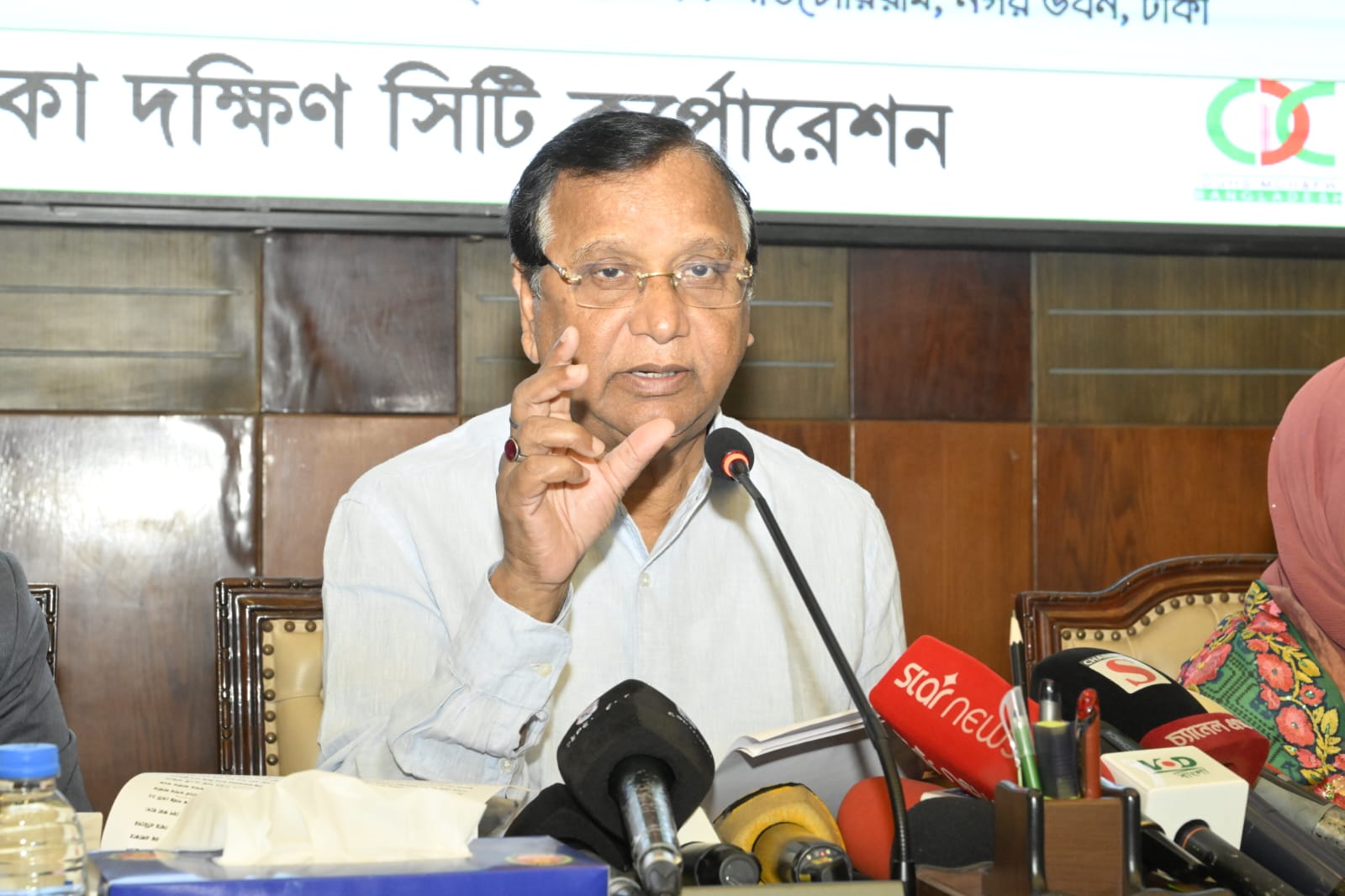
Inaugurating the survey, DSCC Administrator Bir Muktijoddha Md. Abdus Salam said it is urgent to identify Aedes breeding grounds and risky areas through scientific methods and take measures. He also called for city residents' cooperation in this work.

Earlier, in a pre-monsoon survey, larval density was found higher than the determined index in 63 wards of DSCC, and 27 wards were declared extremely high-risk. Based on that survey, crash programs were conducted in those areas.