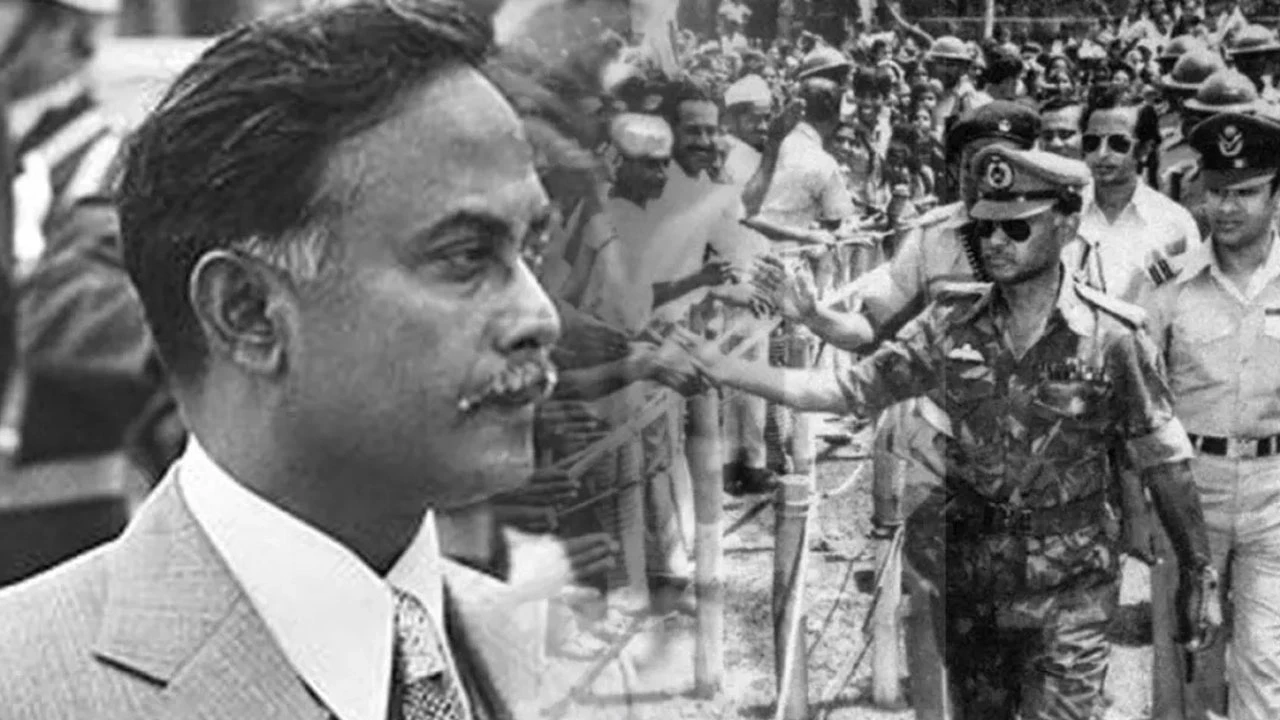

What began through Khaled Mosharraf's coup on 3 November came to an end on 7 November. The main figures in that chain of events were Khaled Mosharraf, JASAD leader Colonel Abu Taher, and the then army chief Ziaur Rahman. However, on 7 November, with the support of soldiers and the public, Ziaur Rahman became the main hero; Khaled Mosharraf and Colonel Taher were sidelined. After that, Ziaur Rahman began the work of uniting the nation. He focused on economic stability, moved from BAKSAL's centralized system toward a state-regulated liberal market system, and eased the doors for domestic and foreign investment. During his time, NGOs got new opportunities to work, microcredit expanded, and employment was created. At the same time, he opened politics to all—Awami League, which had been dissolved under BAKSAL, along with other parties, got the opportunity to return to politics under their own names. Therefore, in the country's political history, 7 November is a symbol of unity, and its great hero is the martyred President Ziaur Rahman. The true beginning of building an independent and self-reliant country came through the 7 November revolution; after 1971, people across the country became united again on that day.