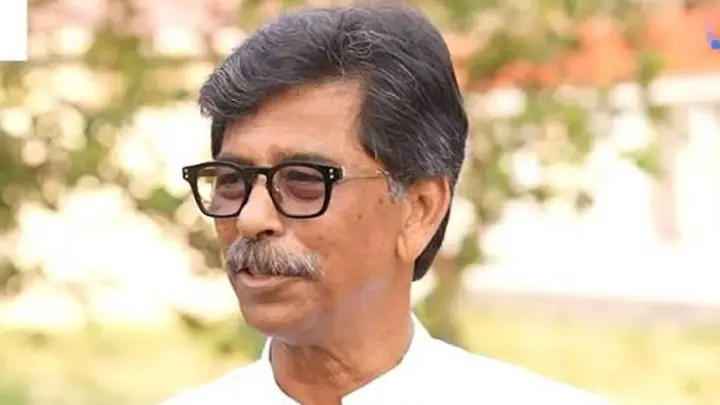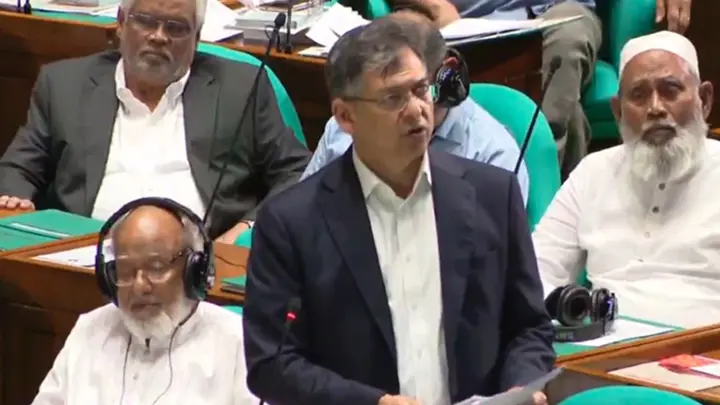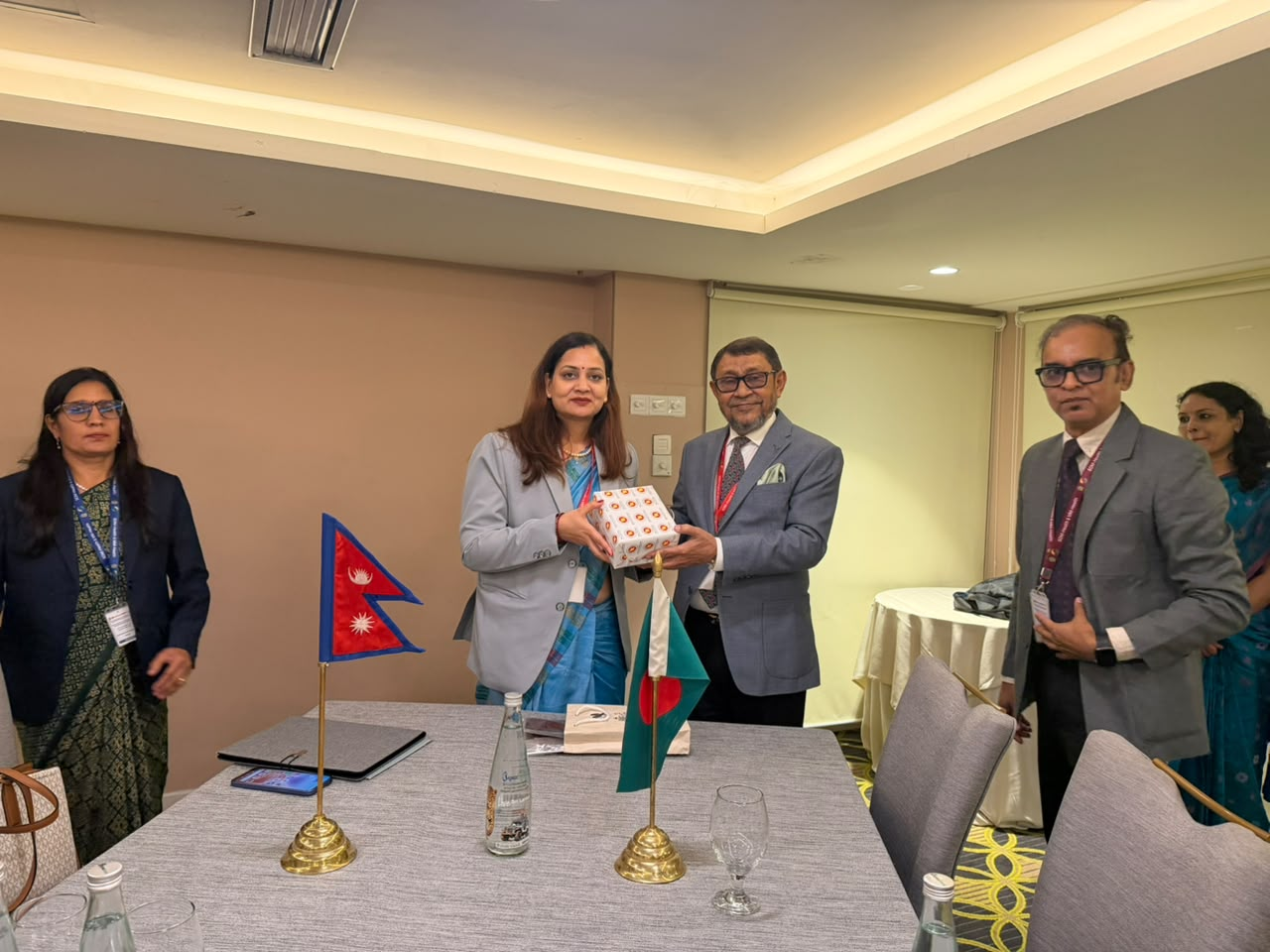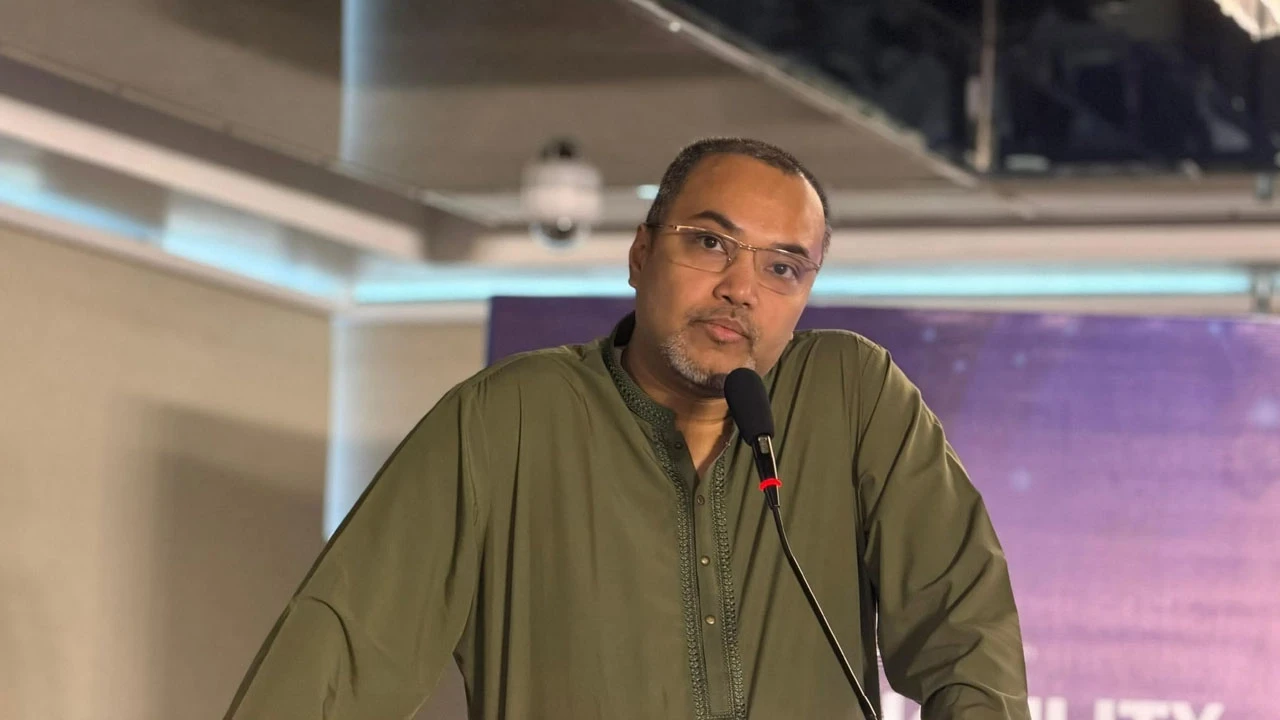

He said these at a conference titled ‘Sustainability Day 2026: New Frontiers for Growth’ organized by Global Compact Network Bangladesh at a hotel in the capital on Wednesday (11 November). Highlighting initiatives to ensure national energy sovereignty, he said work is ongoing to explore domestic gas wells, set up new FSRUs, and assess coal potential. The current policy is to consolidate sustainable energy security through own resources by utilizing the technical expertise of international partners and reducing permanent dependence on imports.

Mahdi Amin said the government is working with a clear outline of a sustainable energy system to ensure infrastructure development and a sustainable environment. He said increasing the capacity of renewable and recyclable energy is the government’s top priority at this moment, including solar power. To this end, the government is working with a specific target of generating 4,000 megawatts from solar power within a short time. Alongside solar power, special importance is being given to converting waste into resources—he mentioned it is possible to produce electricity, gas and recyclable water by converting industrial waste, untreated water and chemical waste into effective utility. He called for integrating this modern global method of converting waste into economic resources, rather than limiting it to dumping or removal, in every industrial sector of the country.

Mentioning the apparel sector as the main lifeblood of the country’s economy, Mahdi Amin said the government is very proud of the sector’s historical legacy; this sector began in Bangladesh at the hands of BNP founder Shaheed President Ziaur Rahman. Urging expansion of the export basket and sustainable development, he said to maintain macroeconomic progress, diversification of apparel products and development of other potential export sectors must be ensured. Alongside controlling inflation, he emphasized making workers’ education, healthcare and living standards meaningful and dignified. He said nearly 300 ‘LEED certified’ environmentally friendly green factories have now been built in Bangladesh in the apparel sector alone.
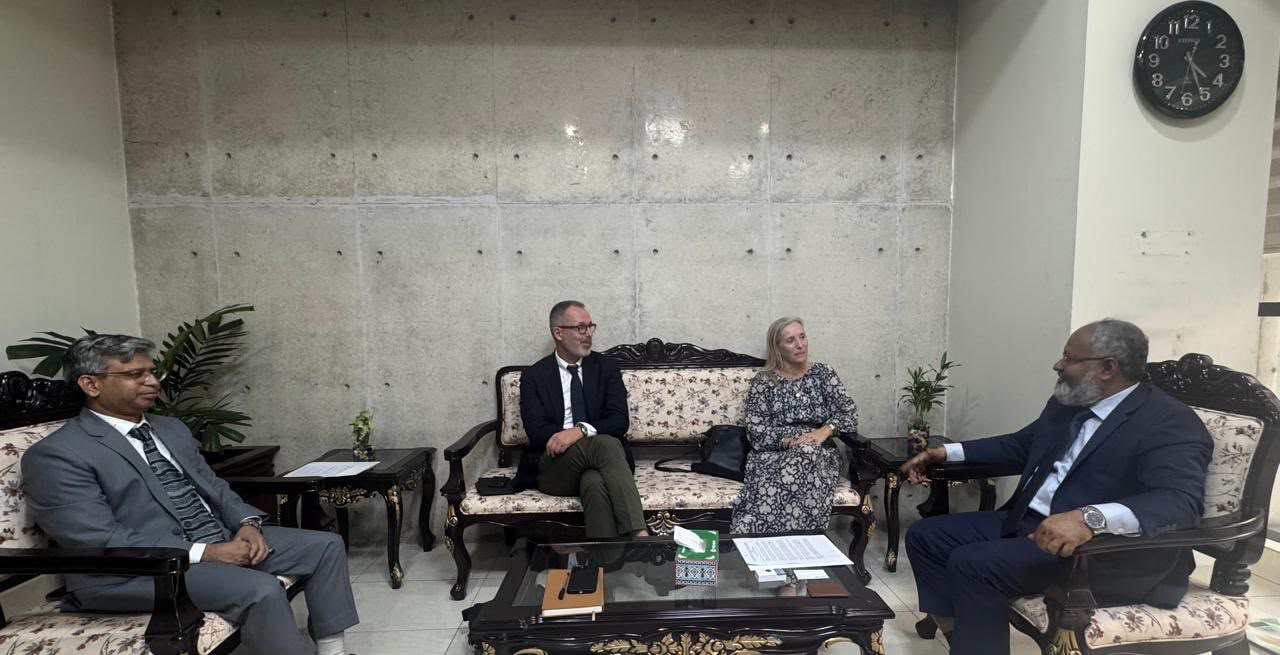
Referring to good governance and institutional transformation, the Prime Minister’s adviser said under the leadership of Prime Minister Tariq Rahman, the current government is working to establish the rule of law, social justice and an egalitarian modern state system; every service-providing institution from ports to customs is being brought under timely reforms and specific accountability. Emphasizing environmental protection, he said to overcome the damage of indiscriminate tree felling and environmental destruction in the past in the name of development, the Prime Minister has announced a national commitment to plant 250 million trees in the next five years. He called on development partners, international partners and the private sector to work together to implement the four main pillars of the government’s sustainable development roadmap—environmental protection, individual empowerment and social protection, development of new potential industries, and good governance and an accountable institutional system. Former ambassador Farooq Sobhan, Norwegian Ambassador to Dhaka Hakon Arald Gulbrandsen and others were also present at the conference.