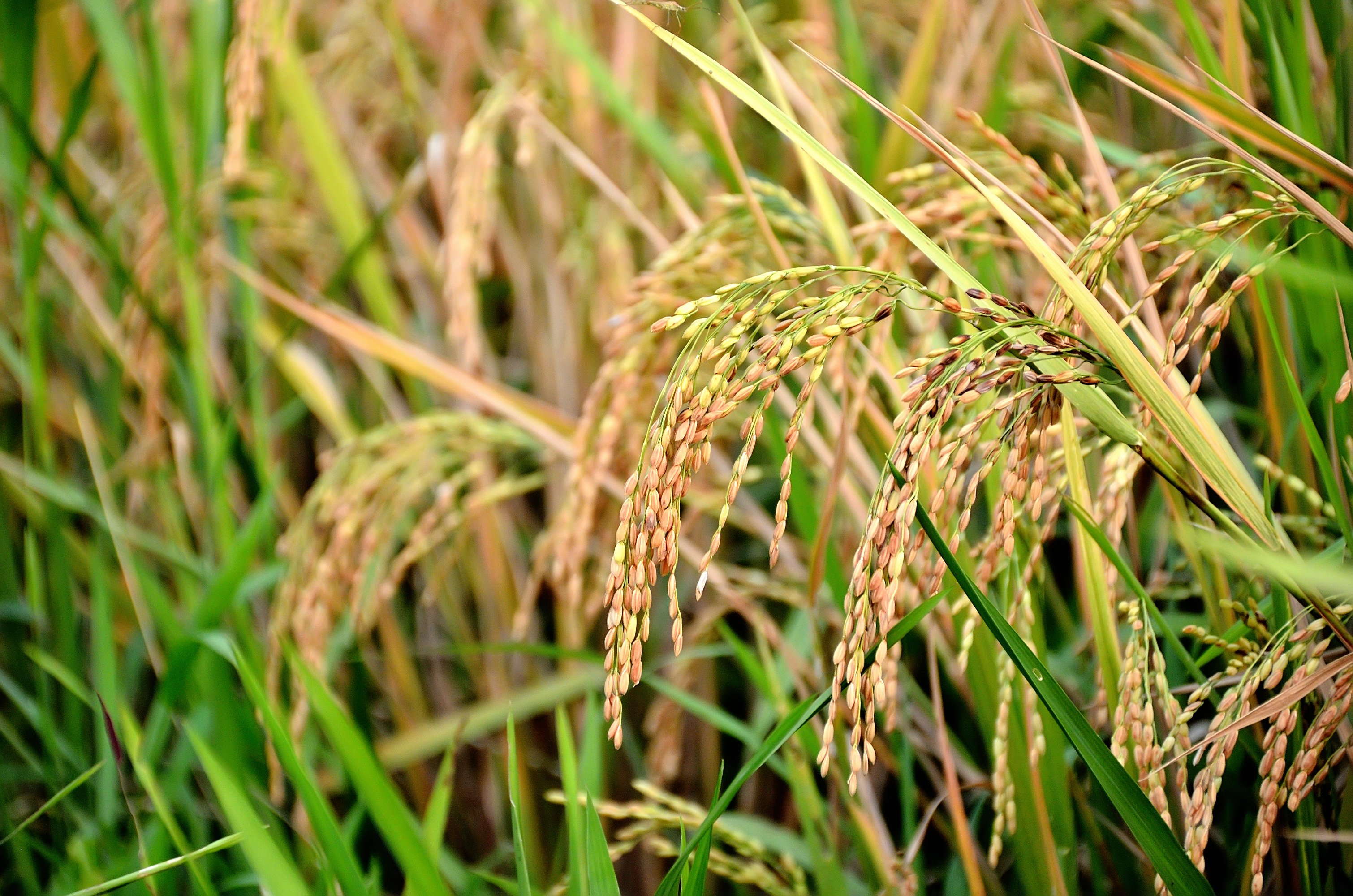

This reduces farmers' production costs and encourages them to produce high-yielding crops, which helps meet the country's food deficit. According to Ministry of Agriculture data, the quantity of Boro hybrid rice seed supplied by BADC in the last three years was 576 metric tons in 2023-24, 1,021 metric tons in 2024-25 and 980 metric tons in 2025-26.

However, the minutes of a Ministry of Agriculture meeting on setting crop-wise targets for the current 2026-27 fiscal year's Agriculture Rehabilitation and Incentive Programme show that although seeds of various crops are included, Boro hybrid rice seed has not been brought under the programme. As a result, small and marginal farmers will be deprived of the benefits of using nearly 1,400 metric tons of Boro hybrid rice seed of the high-priced, higher-yielding BRRI hybrid dhan-8, SL-8H and BADC hybrid dhan-3 (Win-302) varieties produced by BADC.

If the ongoing hybrid Boro rice seed incentive programme is suddenly stopped completely, it could adversely affect the country's paddy and rice production, which could create an embarrassing situation for the current democratically elected government.

In this context, if the amount of Boro inbred rice seed in this year's programme is reduced and high-yielding hybrid Boro rice seed is included, total paddy production in the country will increase and farmers will benefit financially. It is now time to consider the matter at the higher levels of government and take appropriate measures.