



Typhoid is caused by an infection of a bacterium called Salmonella Typhi. This germ usually enters the body through contaminated water and food. The body temperature of an infected person can rise to 103-104 degrees Fahrenheit. Along with this, severe headache, body and joint pain, stomach problems, and sometimes small pink spots (rose spots) on the skin may appear.

Why does typhoid risk increase in monsoon?
During the monsoon, rainwater mixes with contaminated water, increasing the risk of food and water contamination. In particular—

- Drinking contaminated or untreated water
- Eating open street food, sherbet, fuchka, or chaat
- Eating fruits and vegetables without washing properly
- Keeping food uncovered for a long time
- Not washing hands with soap before eating
- Using unclean kitchen and cooking utensils
Due to these reasons, the risk of contracting typhoid increases.
Symptoms of typhoid
The common symptoms of typhoid are—

- Continuous high fever for several days
- Severe headache and body aches
- Excessive weakness and fatigue
- Abdominal pain, diarrhea, or constipation
- Loss of appetite, nausea, or vomiting
- Small pink spots on the skin (rose spots)
- Sometimes dry cough
How to prevent
To prevent typhoid, it is essential to follow a few simple habits—

- Always drink boiled or purified water.
- Avoid open street food and drinks.
- Wash hands with soap for at least 20 seconds before eating and after using the toilet.
- Wash fruits and vegetables thoroughly with safe water before eating.
- Keep the kitchen, cooking utensils, and food preparation area clean and hygienic.
- Do not keep food uncovered for a long time.
When should you consult a doctor?
If fever persists for two to three consecutive days, especially with stomach problems, excessive weakness, or skin rash, medical advice should be sought quickly. If necessary, typhoid is confirmed through blood or other tests, and antibiotics are started as per the doctor's advice.
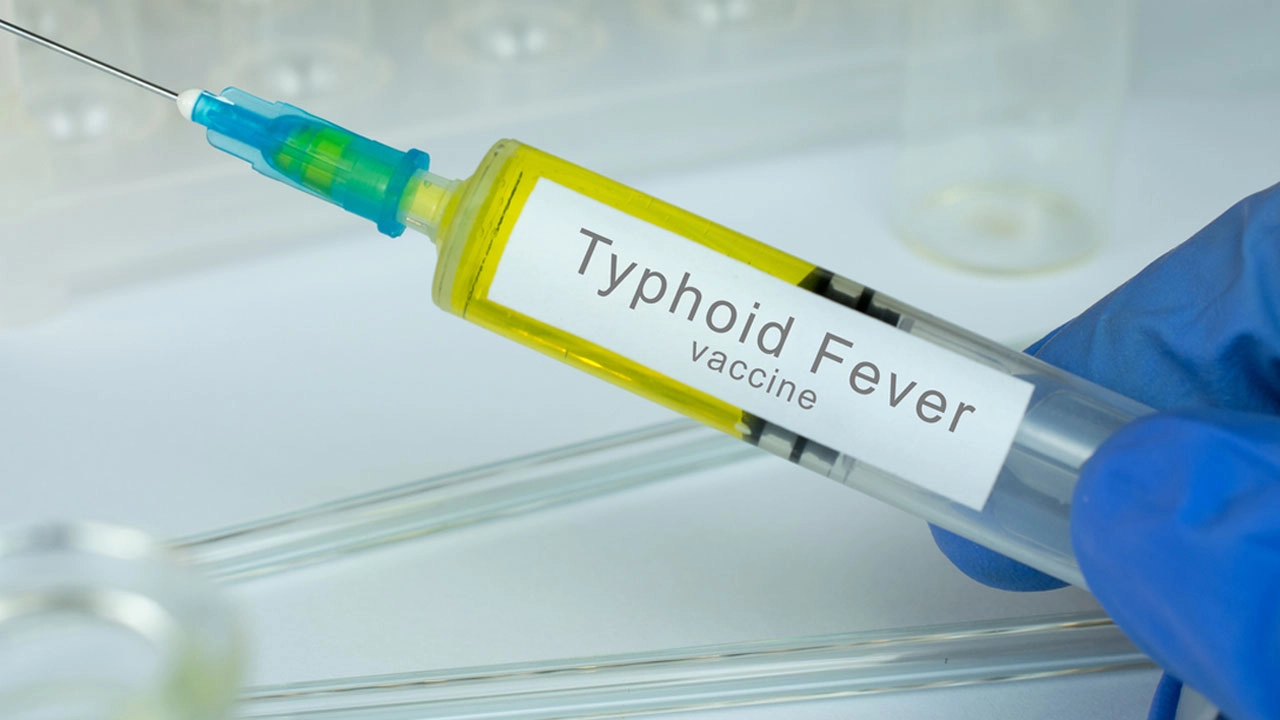
According to doctors' advice, typhoid vaccine can also be taken for at-risk individuals or specific age groups. Through awareness, safe eating habits, and use of purified water, the risk of typhoid in the monsoon can be greatly reduced.