



The ministry has placed particular emphasis on addressing the challenges associated with Bangladesh’s transition from the least developed country (LDC) category. Key priorities include export diversification, free trade agreements, digital trade systems and stronger international economic partnerships.

Moving Beyond Garment-Dependent Exports
Bangladesh’s export sector has traditionally been dominated by ready-made garments. The government is now seeking to expand the role of sectors such as leather and leather goods, light engineering, pharmaceuticals, information technology, agro-processing and jute products.

According to available data, Bangladesh currently exports 812 products to 202 destinations worldwide. During fiscal year 2025-26, cash incentives and export support ranging from 3% to 10% were provided to 43 product and service sectors to develop new markets and expand existing ones.
Leather and agro-processing products received support of up to 10%, while pharmaceuticals and IT products received incentives of up to 6%.

The government has also designated the paper and packaging industry as the “Product of the Year” for 2026, with plans to increase production capacity, strengthen branding and expand international market access.

Under the “One Village, One Product” initiative, the international market potential of 14 selected products is being assessed. The government is also evaluating opportunities for 62 Bangladeshi geographical indication (GI) products in overseas markets.
Greater Emphasis on Economic Diplomacy
Following LDC graduation, maintaining preferential tariff access and developing new trading partnerships are expected to become major challenges for Bangladesh.
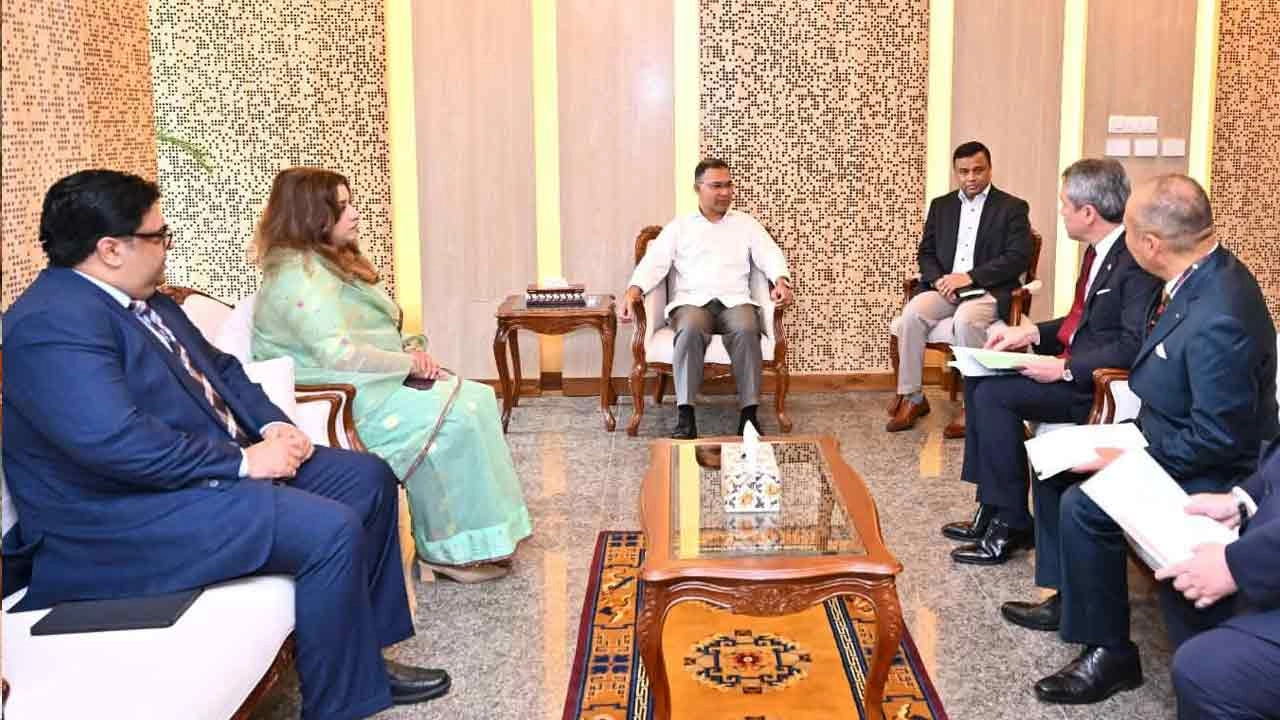
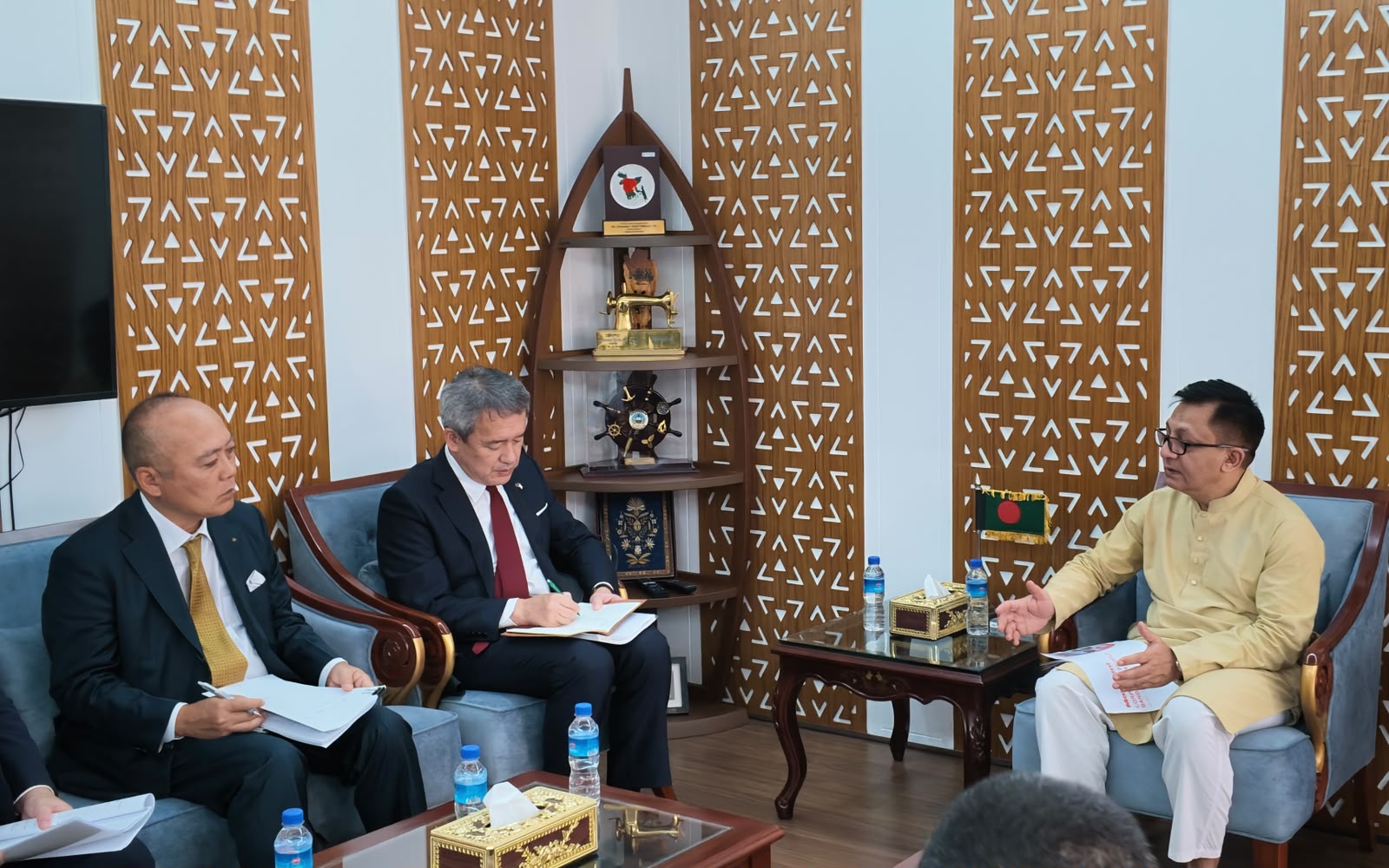
Against this backdrop, the government has placed greater emphasis on economic and trade diplomacy. Bangladesh has signed an Economic Partnership Agreement (EPA) with Japan and a Comprehensive Economic Partnership Agreement (CEPA) with South Korea, which the government views as important steps toward expanding market access, investment and technological cooperation.
Discussions on trade expansion are also continuing with South Korea, Singapore, the United Arab Emirates, Nepal and Bhutan.
Bangladesh is further exploring potential trade partnerships with regional and international blocs, including ASEAN, BIMSTEC and the European Union.
Diplomatic efforts are also underway to secure GSP Plus benefits in the European Union market after 2026 and maintain patent-related advantages for the pharmaceutical sector under the TRIPS framework until 2033.
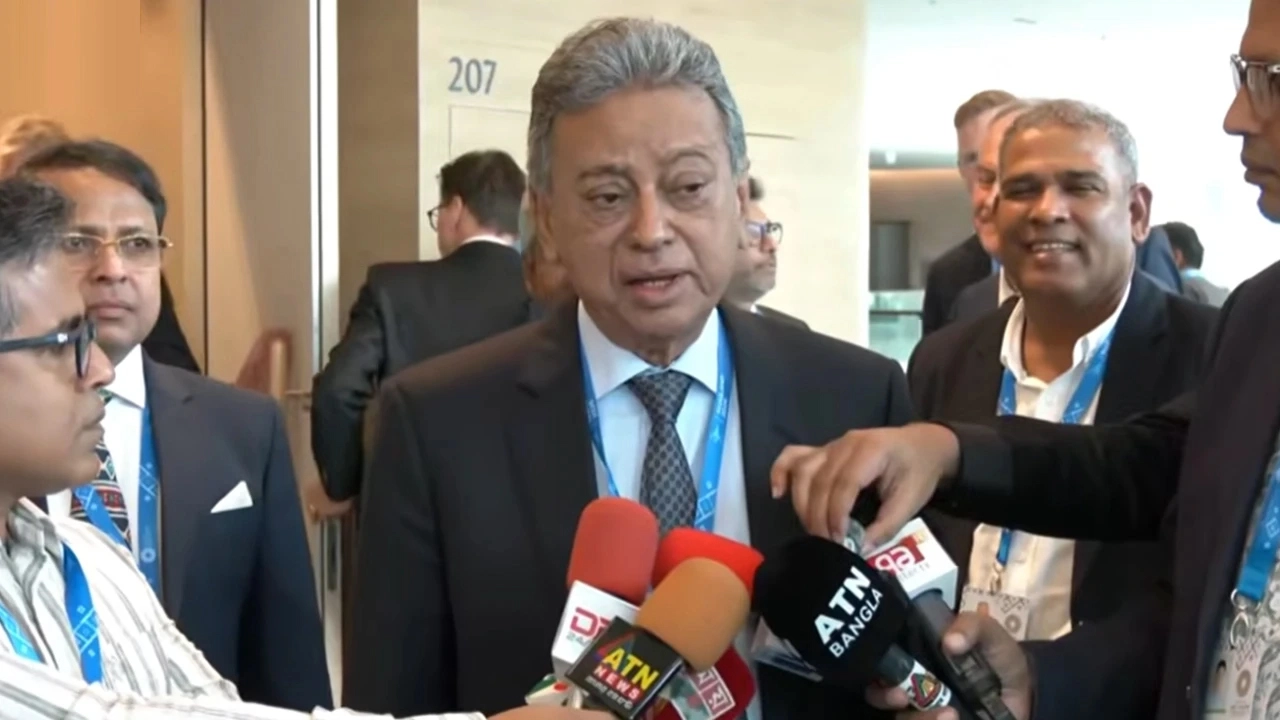
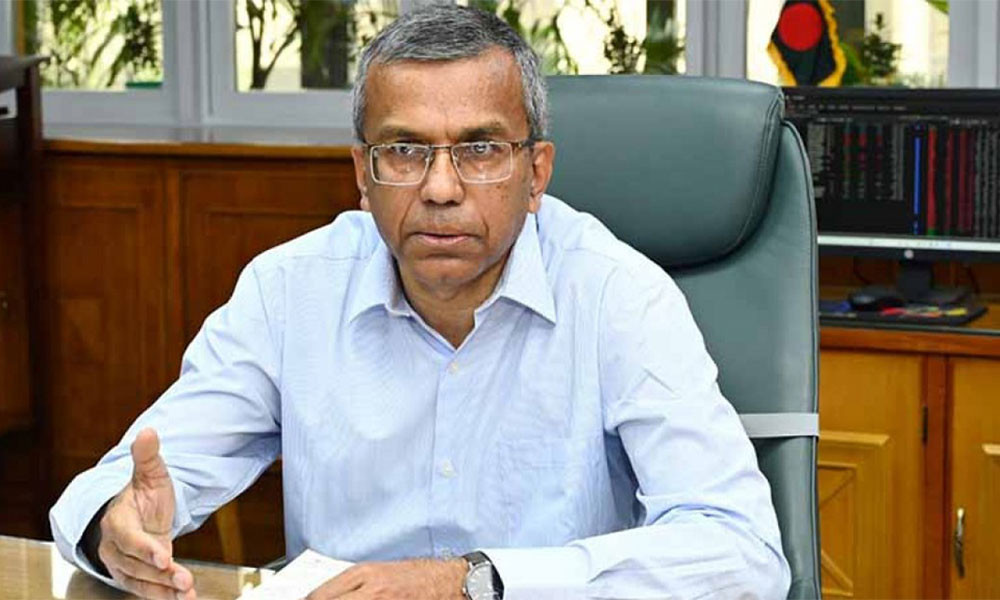
Commerce Secretary Ataur Rahman Khan said that maintaining tariff preferences and establishing new trade partnerships would be among Bangladesh’s biggest challenges after LDC graduation, making economic and trade diplomacy increasingly important.
Bangladesh Plans Participation in Around 50 International Trade Fairs
The Export Promotion Bureau (EPB) plans to participate in around 50 international trade fairs in major global markets this year to promote Bangladeshi products.
Besides garments, entrepreneurs from leather, agricultural products, handicrafts, ICT, light engineering and jute-based industries are expected to participate.
The initiative aims to connect Bangladeshi exporters directly with international buyers, generate new orders and strengthen the country’s export brand.
New Import Policy Under Preparation
The government is preparing the Import Policy Order 2026-2029 with a focus on accelerating economic growth and addressing the challenges following LDC graduation.
The proposed policy is expected to prioritize trade facilitation, protection of domestic industries and greater competitiveness in international trade.
While imports of unnecessary and luxury goods may be discouraged, the government plans to simplify procedures for importing essential industrial raw materials and modern technologies.
TCB Digitalization and Targeted Distribution
The Trading Corporation of Bangladesh (TCB) is also undergoing structural reforms aimed at making the state-owned trading organization more modern, transparent and accountable.
Its operations are being brought under greater digitalization to improve the distribution of essential commodities and reduce the risk of artificial shortages and market distortions.
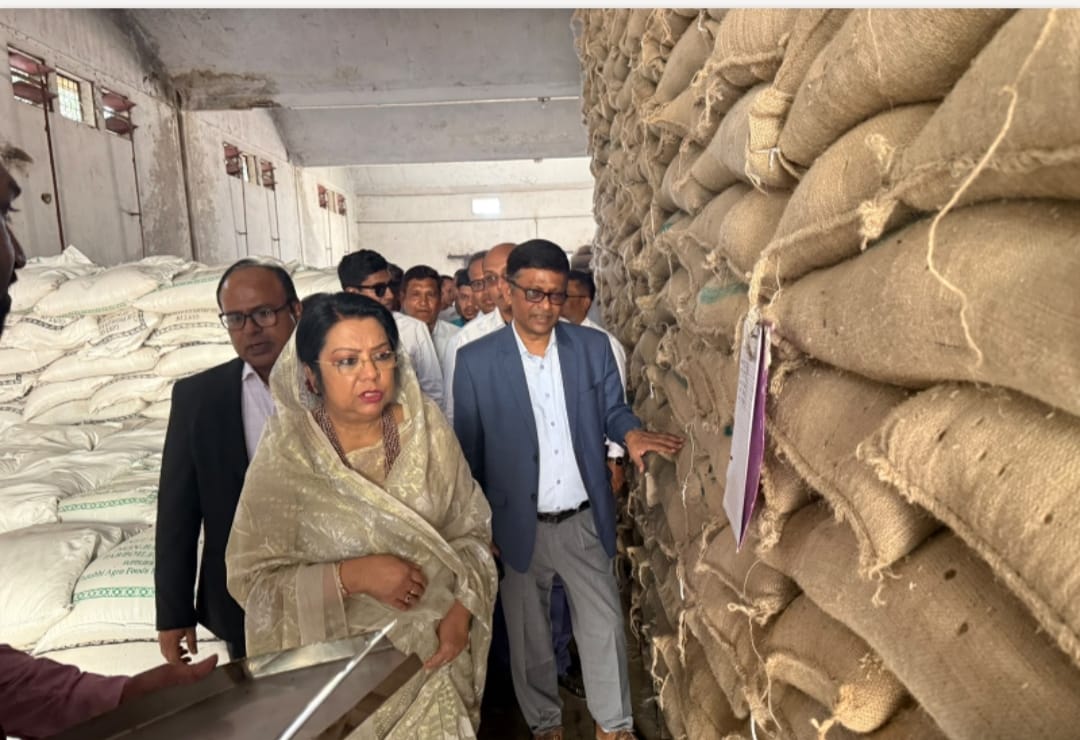
Smart Family Cards and biometric verification are being used to identify genuine low-income beneficiaries and ensure that subsidized goods reach them directly, reducing the role of intermediaries in the distribution system.
Economic Challenges Remain
Despite the government’s initiatives, economists say several structural challenges remain unresolved.
CPD Distinguished Fellow Professor Mustafizur Rahman said the government had undertaken a number of positive initiatives, including measures aimed at improving the investment climate. However, high inflation, weak investment, sluggish private-sector credit growth, limited employment creation and problems in the banking sector continue to weigh on the economy.
He also identified the energy situation as a major new obstacle to investment.
Business representatives have similarly pointed to persistent problems related to gas, electricity and energy supplies. They believe that resolving these constraints would further improve Bangladesh’s business environment.
Overall, the Commerce Ministry’s first 180 days have seen a number of initiatives focused on export diversification, new market development, economic diplomacy and digitalization of trade services. However, the ultimate success of these measures will depend on whether they translate into stronger investment, production, employment and sustainable export growth.