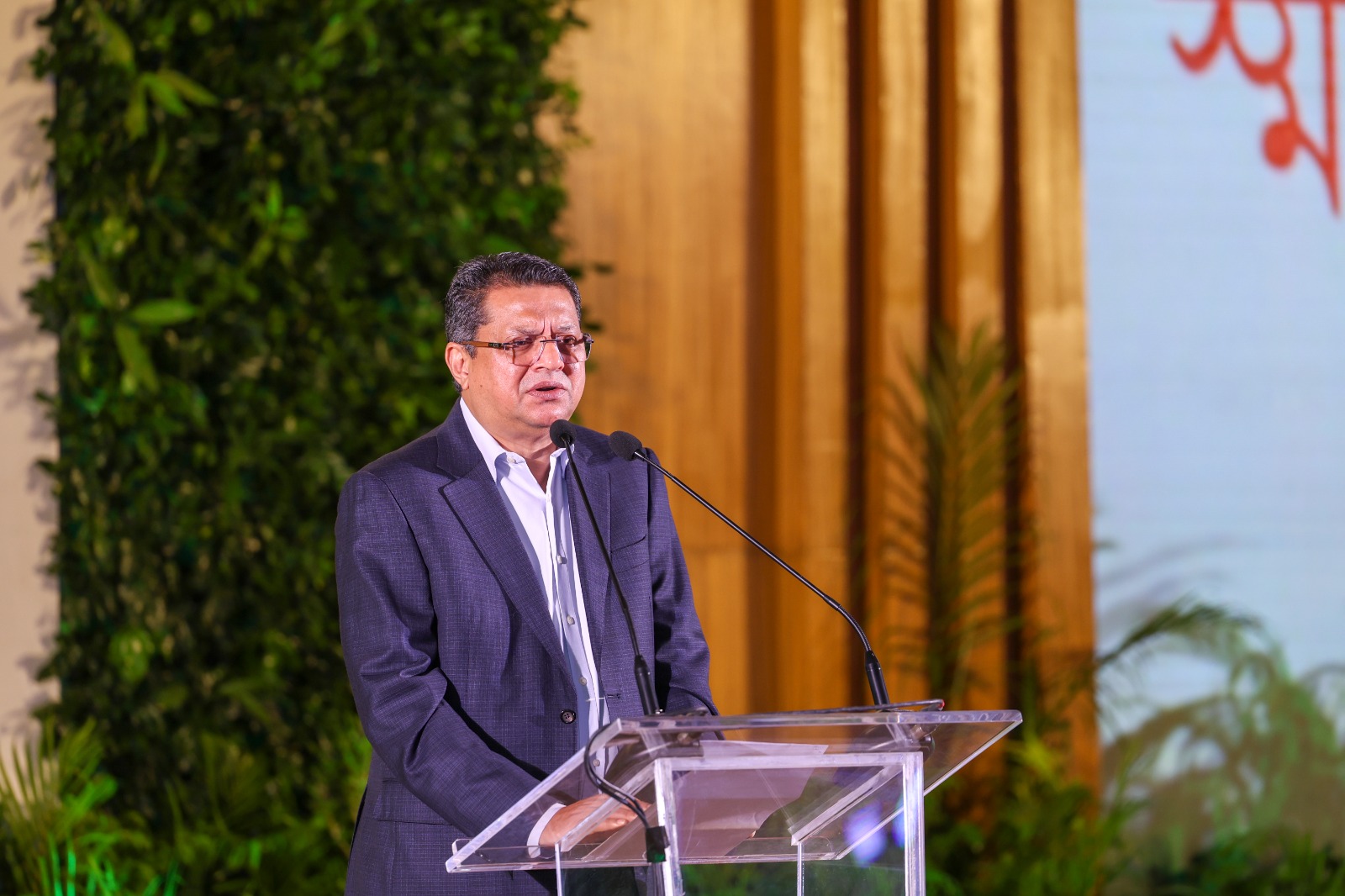


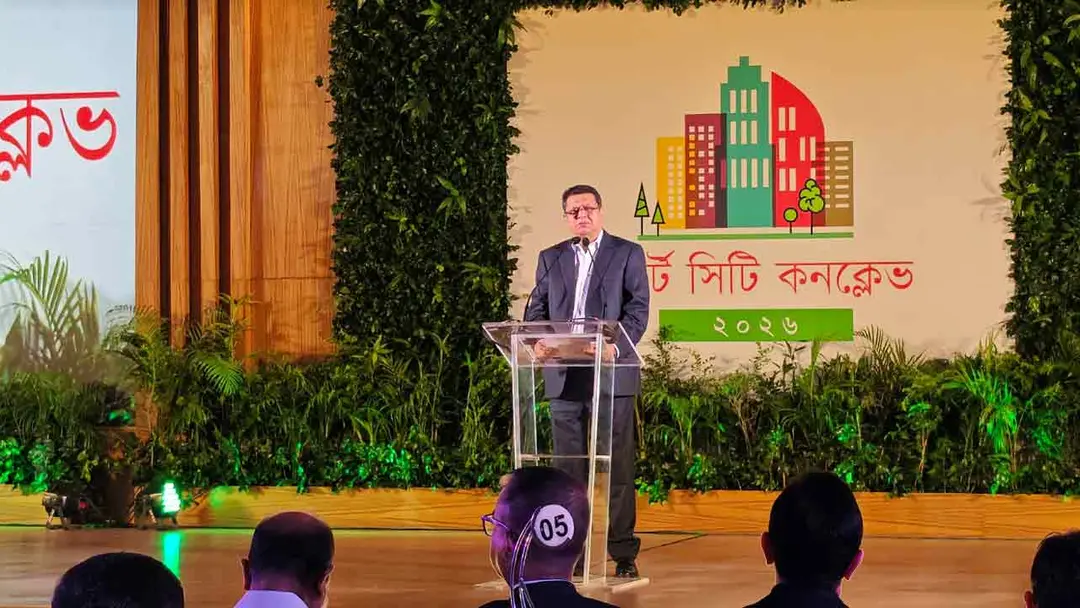

He said this on Wednesday (October 7) at a Smart City Conclave titled ‘Smart Housing, Sustainable Urbanization and Future Bangladesh’ organized by Bonik Barta at the Sheraton Hotel in the capital.

The minister said there are about 4,300 houses in Gulshan, Banani and Baridhara areas. Although 70 to 80 percent of these buildings are supposed to have septic tanks or sewage treatment plants (STPs) as per rules, many buildings do not have them. As a result, sewage water mixes with storm water and pollutes the lake water.

He said several meetings have been held with the concerned societies and various organizations to resolve the issue. Everyone must play a responsible role to fix the lakes and the environment of the area.
Speaking about a long-term plan for the country's urbanization, Zakaria Taher said, for the first time, a plan of about 10 years has been taken. Initially, metropolitan cities are being brought under it. Later, the plan will be expanded to big cities and upazila levels. For this, the Department of Urban Development is being strengthened.

Highlighting changes in the building construction and approval process, he said, an initiative has been taken to approve architectural, structural, electrical and plumbing plans in an integrated manner. Buildings constructed outside the approved design are being identified. Besides, work is underway to create new regulations for buildings constructed without approval or by deviating from the design.

The minister said new development authorities will be formed in Mymensingh, Sylhet, Cumilla, Narayanganj, Rangpur and Barishal outside RAJUK, and other cities will gradually be brought under planned urbanization.
Referring to the current situation in Dhaka as ‘regrettable’, he said proper planning and coordinated initiatives from all sectors are needed to make this densely populated city livable. The government will make every effort to protect the environment and implement the right housing policy.