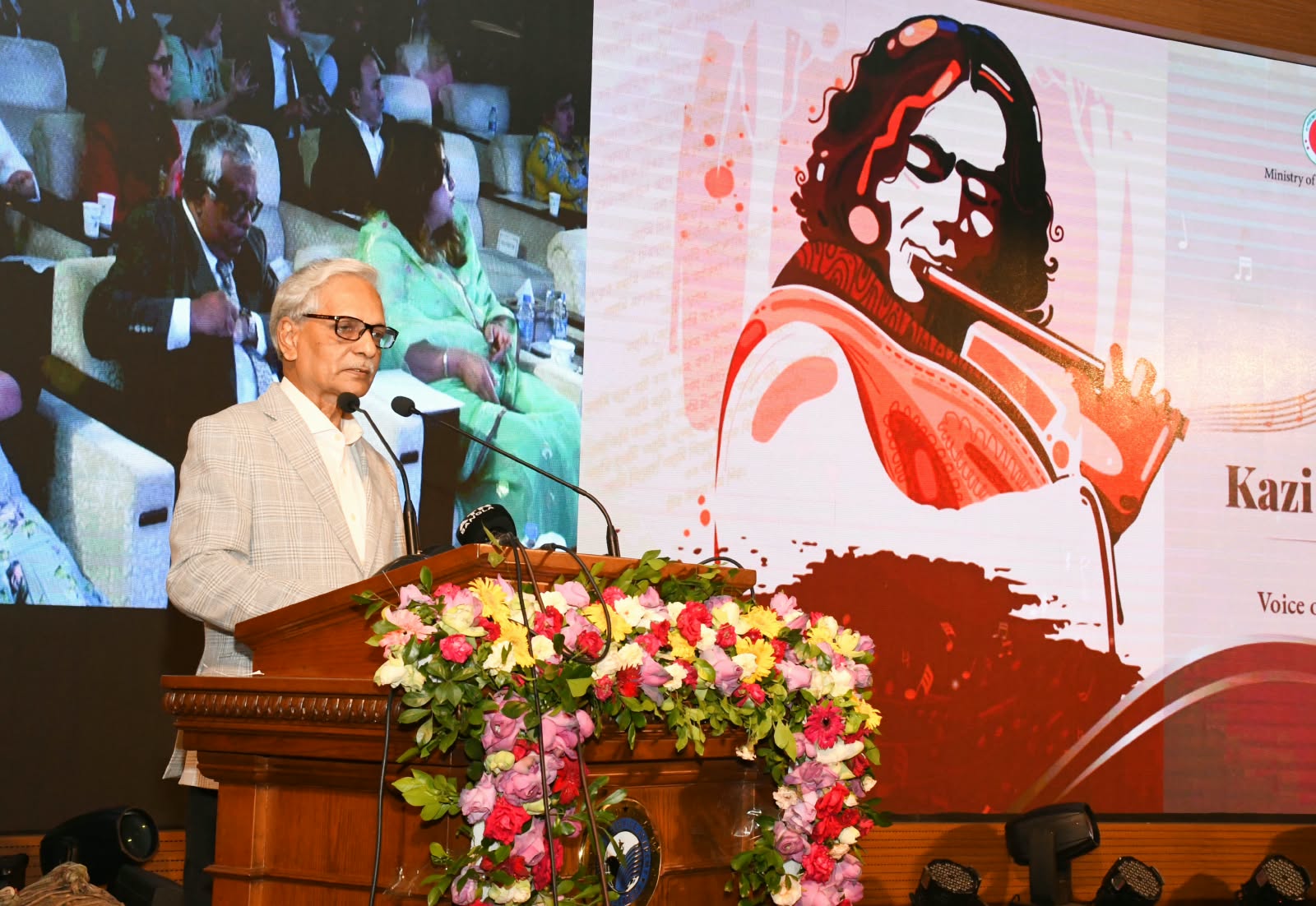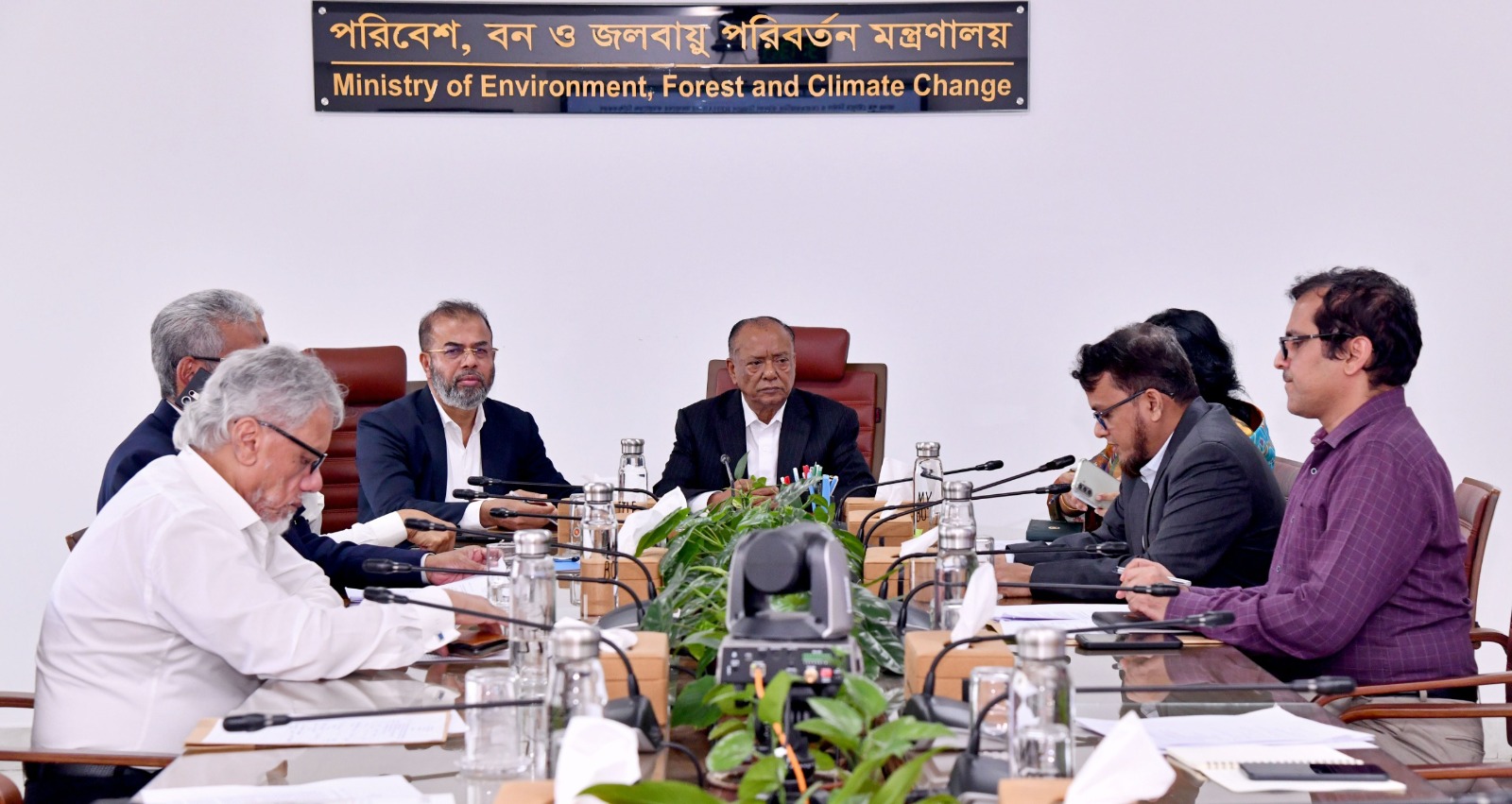


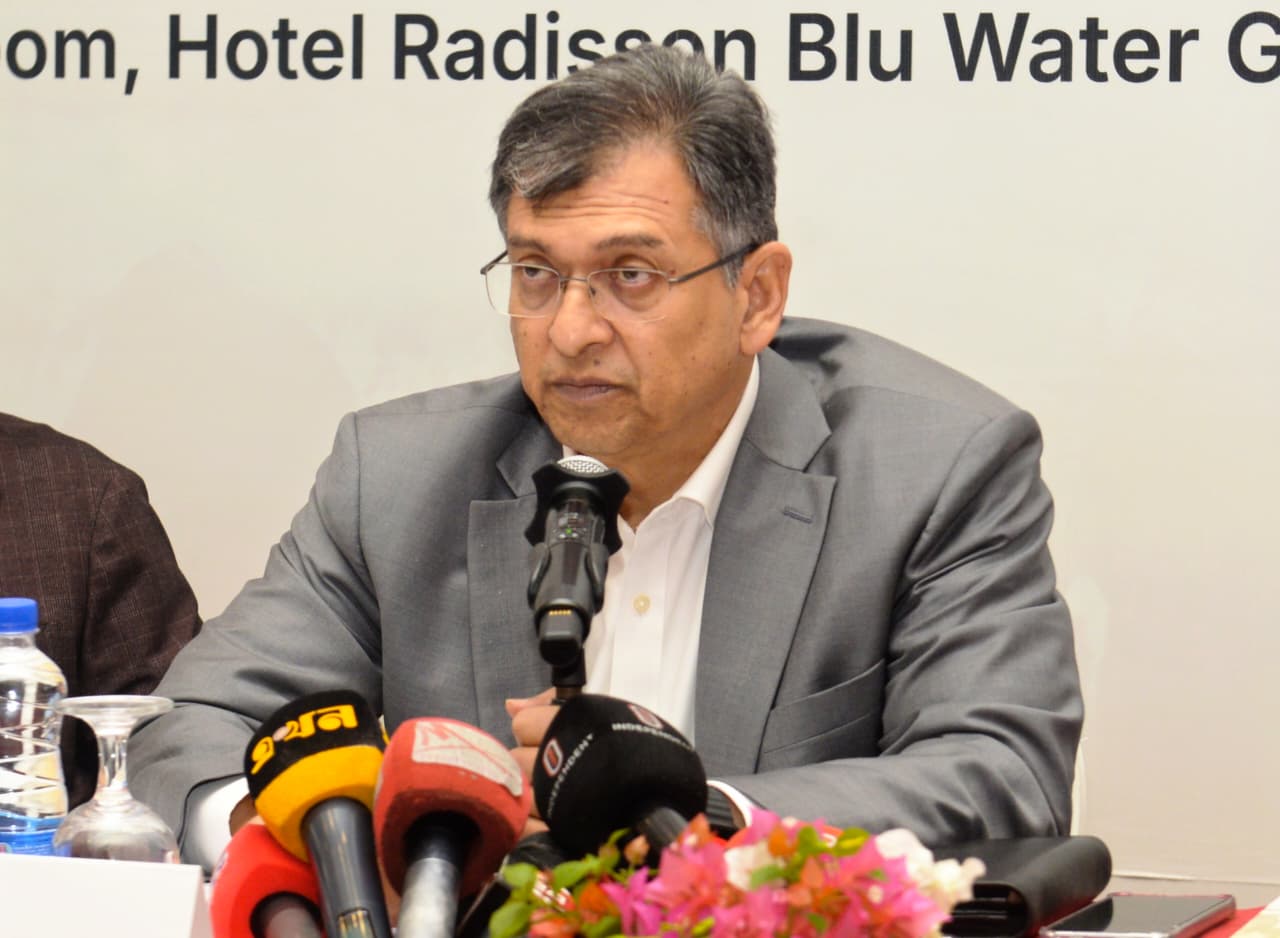

He said this while speaking as chief guest at a seminar titled ‘Rohingya crisis: What to do and regional solution on the path to sustainable repatriation’ at Hotel Radisson Blu Water Garden in Dhaka. The Foundation for Strategic and Development Studies (FSDS) organized the seminar.

The Home Minister said Bangladesh's solitary efforts are not enough for sustainable repatriation of Rohingyas. For this, a strategic regional initiative is needed with coordination among relevant parties including China, ASEAN, the United Nations, and Japan. He also said that during the recent Bangladesh visit of Japan's special envoy and Nippon Foundation Chairman Sasakawa, this issue was discussed and Japan assured cooperation.

Highlighting the changed political and security situation in Rakhine State, the minister said that alongside Myanmar's government authorities, the Arakan Army also has significant control there. In this reality, solutions are being sought through various diplomatic channels and communications. However, he noted that peaceful repatriation is Bangladesh's main goal.
Speaking as special guest at the seminar, Md. Ismail Zabihullah, adviser to the Prime Minister on public administration, said the Rohingya crisis is not merely a humanitarian or bilateral issue; it is related to national interest, regional stability and international geopolitics. According to him, to address the crisis, along with relief-dependent initiatives, an integrated national strategy and effective diplomatic activity are needed. He also emphasized increasing international pressure to ensure the safety, human rights and dignified return of Rohingyas to their own land.

At an exchange of views with journalists after the seminar, the Home Minister said that as Bangladesh's representative has been elected President of the United Nations General Assembly, an opportunity has been created to raise the repatriation issue more strongly in the international arena. He expressed hope that with the cooperation of relevant parties including China, Japan, India, the United States and the European Union, it will be possible to find a path to a sustainable solution.

Three papers were presented at the seminar. It discussed the political and security situation in Rakhine, development and communications systems, and what Bangladesh should do in regional diplomacy. Speakers said that to ensure sustainable repatriation, it is essential to ensure security, citizenship, housing, livelihood opportunities and acceptable relations with the local population.
The seminar, chaired by FSDS Chairman retired Major General Fazle Elahi Akbar, was attended by domestic and foreign diplomats, representatives of international organizations, former military officers, researchers, academics and media personnel.