


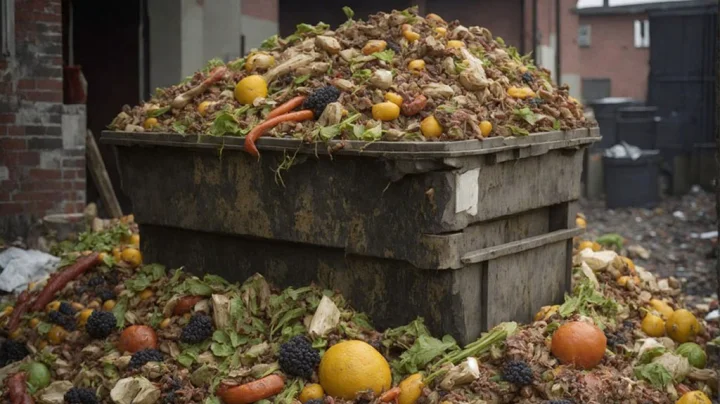

World Food Day is observed every year on October 16 to mark the founding of the Food and Agriculture Organization (FAO) of the United Nations. This year’s theme is “Today’s Innovation, Tomorrow’s Nutrition.” The theme aims to improve food systems, ensure better nutrition and reduce food waste.

According to United Nations data, 7.8 percent of the global population faced hunger in 2025. Africa experienced the most severe levels of undernourishment, with around 309 million people affected. In Asia, the number stood at approximately 292 million.

Households account for the largest share of food waste. According to the United Nations Environment Programme (UNEP), households are responsible for 60 percent of total food waste, while restaurants and food service businesses account for 28 percent and retail outlets for 12 percent. In addition, around 13 percent of the world's food is lost between harvest and retail.
Food waste causes more than $1 trillion in economic losses worldwide every year. The land and resources used to produce food that is never consumed also place significant pressure on the environment. Food loss and waste are estimated to account for 8 to 10 percent of global greenhouse gas emissions.

Experts recommend developing habits such as preparing shopping lists before going to market, cooking according to actual needs, storing food properly and making use of leftovers to reduce food waste. These practices can help conserve resources while strengthening efforts to ensure global food security.