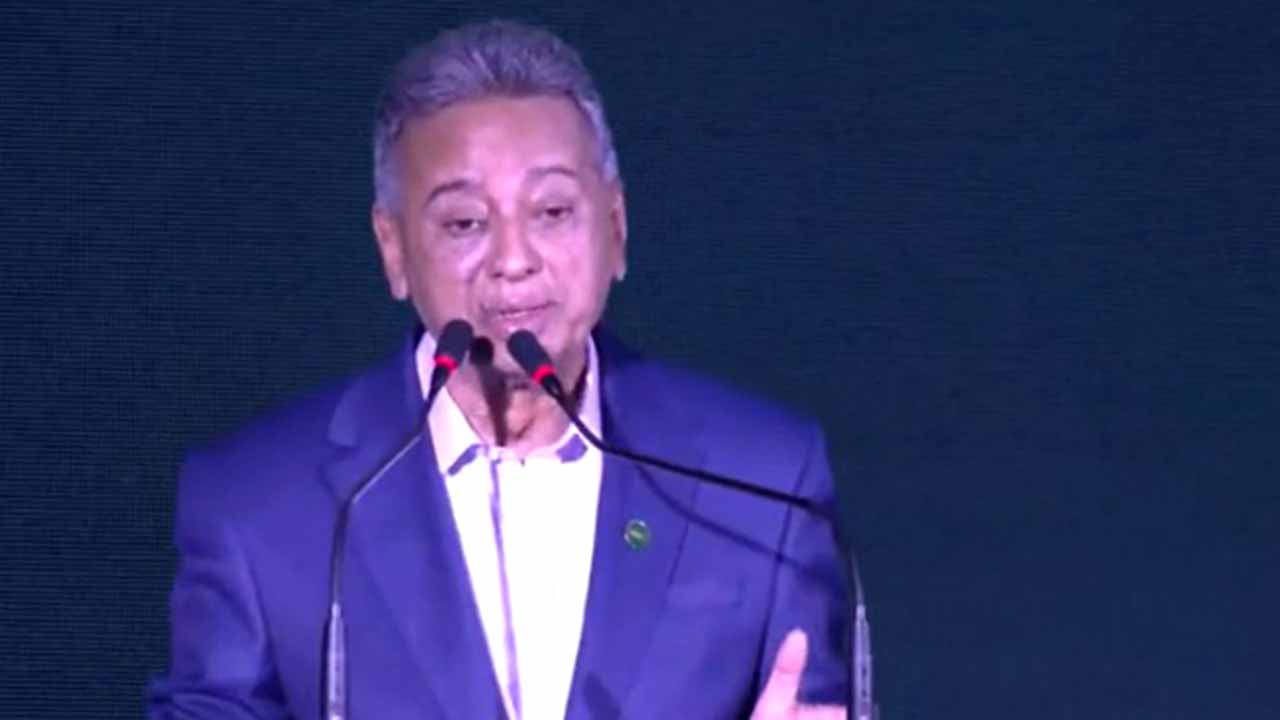


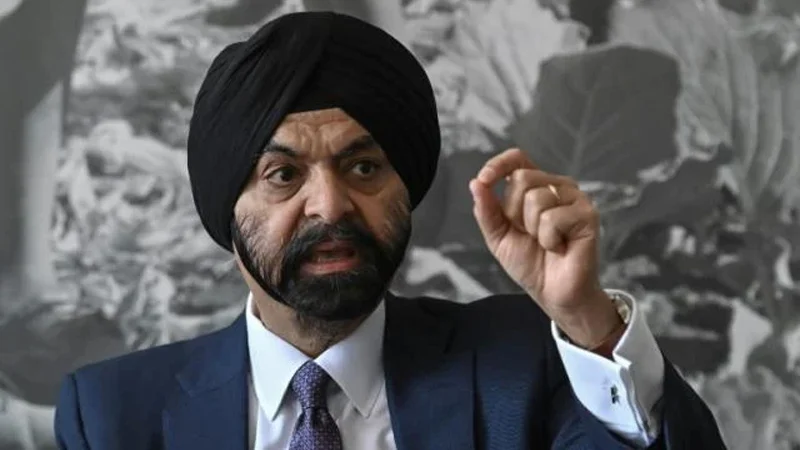

He made the remarks on Friday (October 16) during the plenary session of the 2026 Annual Meetings of the International Monetary Fund (IMF) and the World Bank Group in Bangkok, Thailand. Banga said jobs were not merely statistics but were closely linked to human dignity and economic security, making employment creation a major global development priority.

He stressed the need for infrastructure and human capital development, investment-friendly policies and increased private capital to generate employment. He also called for greater involvement of long-term institutional investors in development projects.

Highlighting progress in financing, Banga said the World Bank mobilised $35 billion in private capital in fiscal year 2022, which rose to $112 billion in the last fiscal year. Total investment, including the bank's own financing, exceeded $230 billion. The funding supports job-generating sectors such as energy, infrastructure, agriculture, healthcare, tourism and manufacturing.
Banga also outlined internal reforms, saying the average project preparation time had been reduced from 19 months to nine months. Measures to strengthen the International Bank for Reconstruction and Development's (IBRD) lending capacity are expected to enable an additional $100 billion in lending over the next decade. Meanwhile, the co-financing pipeline with other multilateral development banks has expanded to 250 projects, targeting $138 billion in financing.

As part of its employment strategy, the World Bank is focusing on improving access to finance for small and medium-sized enterprises, connecting entrepreneurs to digital financial services and increasing private investment in productive sectors. Banga said loans alone would not resolve the jobs crisis, stressing the importance of creating a stable economic environment to attract domestic and foreign investment.

On artificial intelligence, he highlighted the potential of affordable, practical small AI models alongside larger and more expensive systems. Such technologies could help farmers improve productivity, teachers enhance instruction and healthcare workers make faster decisions. Expanding electricity access, internet connectivity and digital infrastructure will be essential to achieving these benefits, he said.
Banga also highlighted development targets for 2030, including providing electricity to 300 million people in Africa, improving access to safe water and water management for one billion people, and supporting 200 million smallholder farmers. The World Bank also aims to provide improved and affordable healthcare services to 1.5 billion people by the same year.
He further outlined efforts to attract institutional investors, including pension funds and sovereign wealth funds, to finance long-term development projects. Coordinating public financing, private capital, technology and development partnerships, he said, would help narrow the employment gap and create more opportunities for decent work and sustainable incomes.