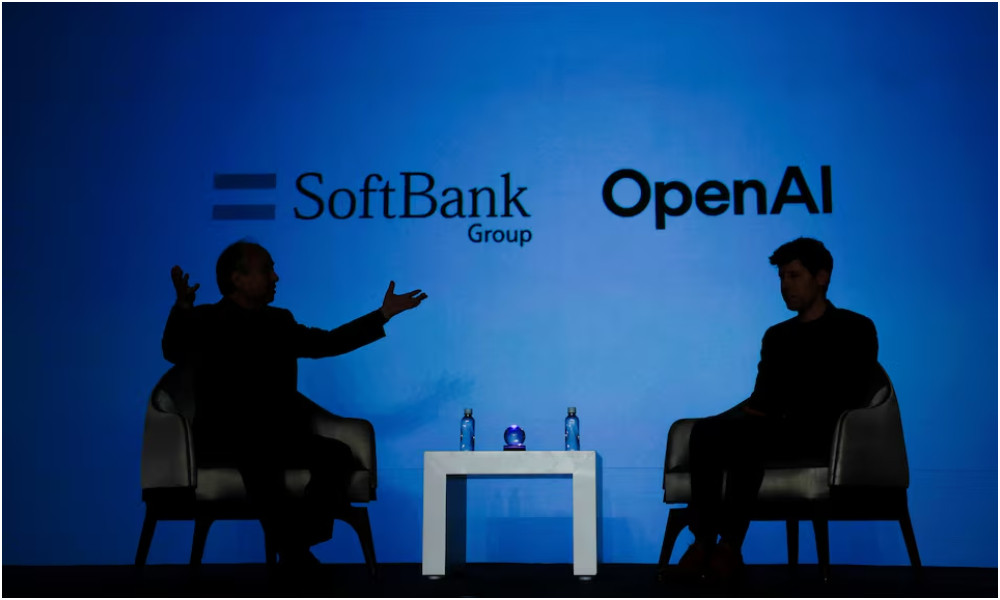




These issues were discussed on Friday (October 16) at a panel titled “AI and the Global Economy: From Risks to Opportunity” on the sidelines of the IMF and World Bank Annual Meetings at the Queen Sirikit National Convention Center in Bangkok, Thailand. Policymakers, central bank representatives and technology industry leaders took part in the discussion.

IMF Managing Director Kristalina Georgieva said AI had already helped improve individual work efficiency, but its transformative impact on the broader economy was not yet clear. The adoption of new technologies, changes in work practices and integration with existing systems take time. Therefore, expectations of immediate, large-scale economic benefits from AI may be unrealistic.

Bank of Canada Governor Tiff Macklem cited the dot-com bubble of the late 1990s as an example of the ups and downs associated with technological advances. Many companies failed during that period, leaving investors with losses. However, the internet eventually transformed the economy and society by increasing productivity. He stressed that assessing a technology's potential requires looking beyond individual companies to its broader economic impact.
Jack Clark, co-founder and head of policy at Anthropic, highlighted AI's potential to deliver rapid productivity gains. He said AI was moving beyond providing information and recommendations, with agent-based systems increasingly capable of completing multiple steps of specific tasks. Technologies such as Anthropic's Claude Code could help workers increase efficiency and handle complex processes.

However, the expansion of AI could also bring changes to labour markets, concentrate advantages in the hands of major technology companies and increase cybersecurity and financial risks. Participants also highlighted the need to verify AI-generated outputs, protect sensitive information and maintain human oversight of important decisions.

AI could create new opportunities for Bangladesh as well. In the garment industry, it could improve production planning and quality control. In banking, it could help detect fraud, while in agriculture it could support crop monitoring and weather analysis. The technology could also improve efficiency in healthcare, education and public services. Realising these benefits, however, will require reliable digital infrastructure, skilled workers, data protection and appropriate policies.
Providing opportunities for workers to acquire new skills and receive retraining will also be essential to managing potential labour market changes. At the same time, measures must ensure that small and medium-sized businesses can access the benefits of AI. Otherwise, the gap between smaller firms and larger companies could widen.
The central message of the discussion was that simply adopting AI will not automatically increase productivity. Its benefits depend on effective integration into business operations and workers' activities, realistic expectations and long-term preparation. For Bangladesh, the priority should be to strengthen economic growth and competitiveness while managing technological risks and ensuring that the benefits of AI are widely shared.