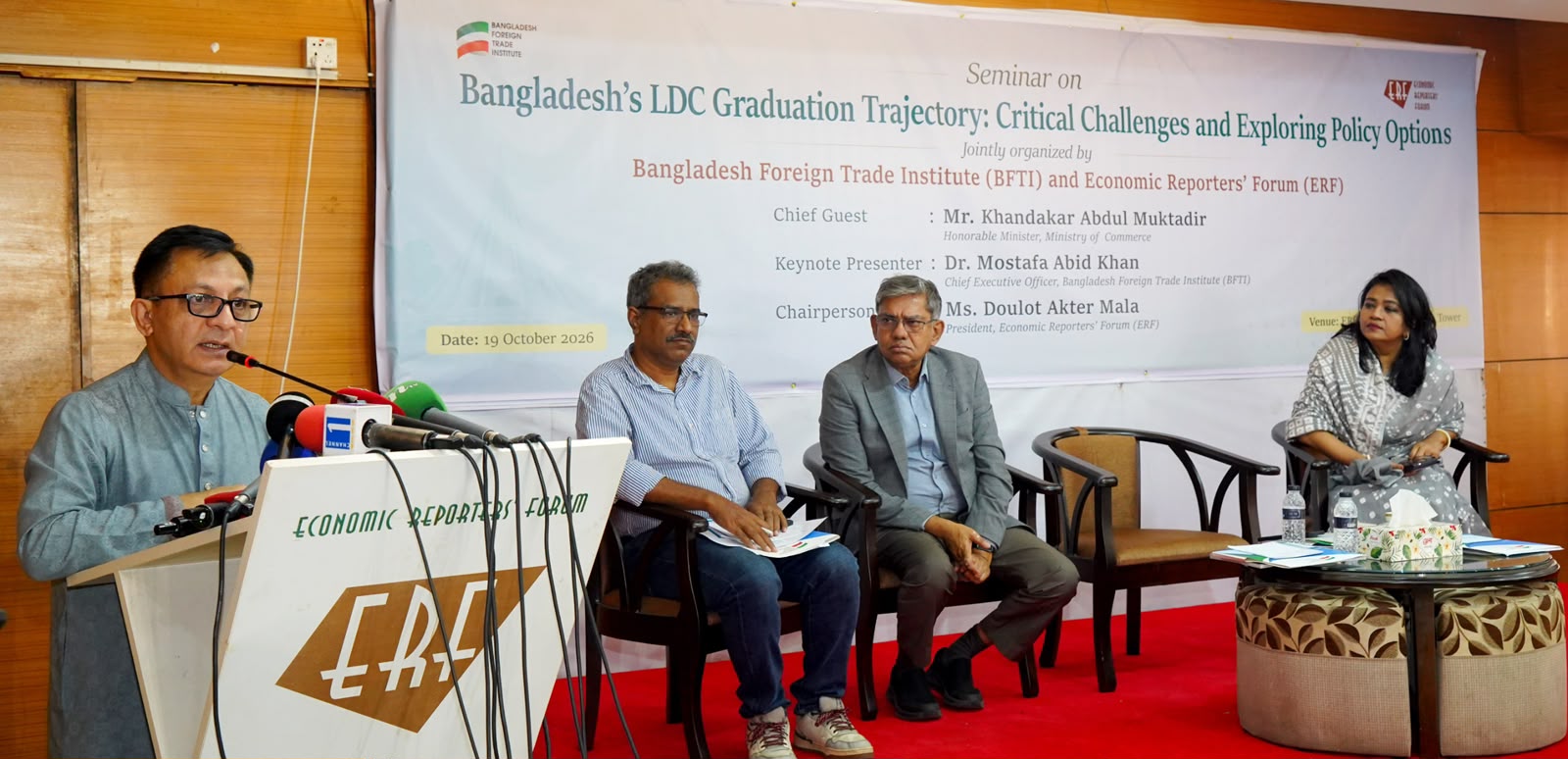

The commerce minister said a recommendation for a three-year extension has been made to the Economic and Social Council (ECOSOC) after passing the stage of the UN Committee for Development Policy (CDP), to which the EU and relevant partners have agreed. Expressing hope for a positive resolution of the matter before the stipulated deadline of November 24, he noted that there had been more effort to glorify the issue politically than to address post-graduation challenges. In addition, to maintain the preferential treatment of Bangladeshi products in the global market, the process of signing SEPAs or FTAs with eight to ten countries by 2026-27 and joining the Regional Comprehensive Economic Partnership (RCEP) is ongoing.

Regarding trade and investment facilitation, he said that currently an average of 355 days is spent from trade license to opening import letters of credit, and initiatives have been taken to reduce this through a single online portal and integrated inspections. Alongside this, license validity is being increased from three to five years and all activities of RJSC are being digitalized. On the other hand, he said the government is focusing on new floating LNG terminals, gas well drilling, and solar power generation to resolve the energy crisis, a major barrier to investment.

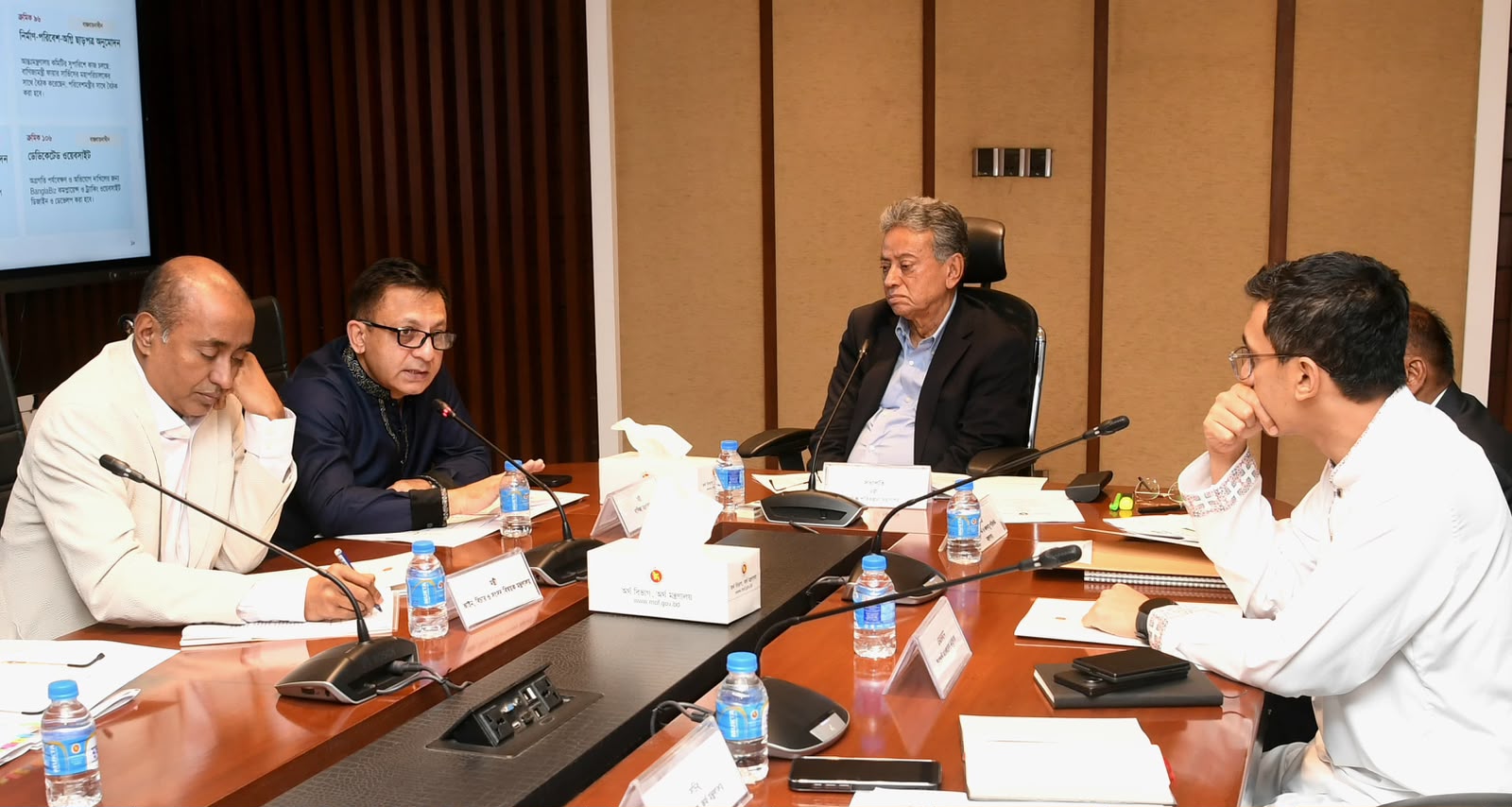
At the seminar, presided over by ERF President Daulat Akhtar Mala, the keynote paper was presented by Dr. Mostafa Abid Khan, Chief Executive Officer (CEO) of BFTI. The event was conducted by SSM Moinul Haque, a member of the ERF Executive Committee.