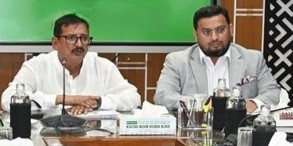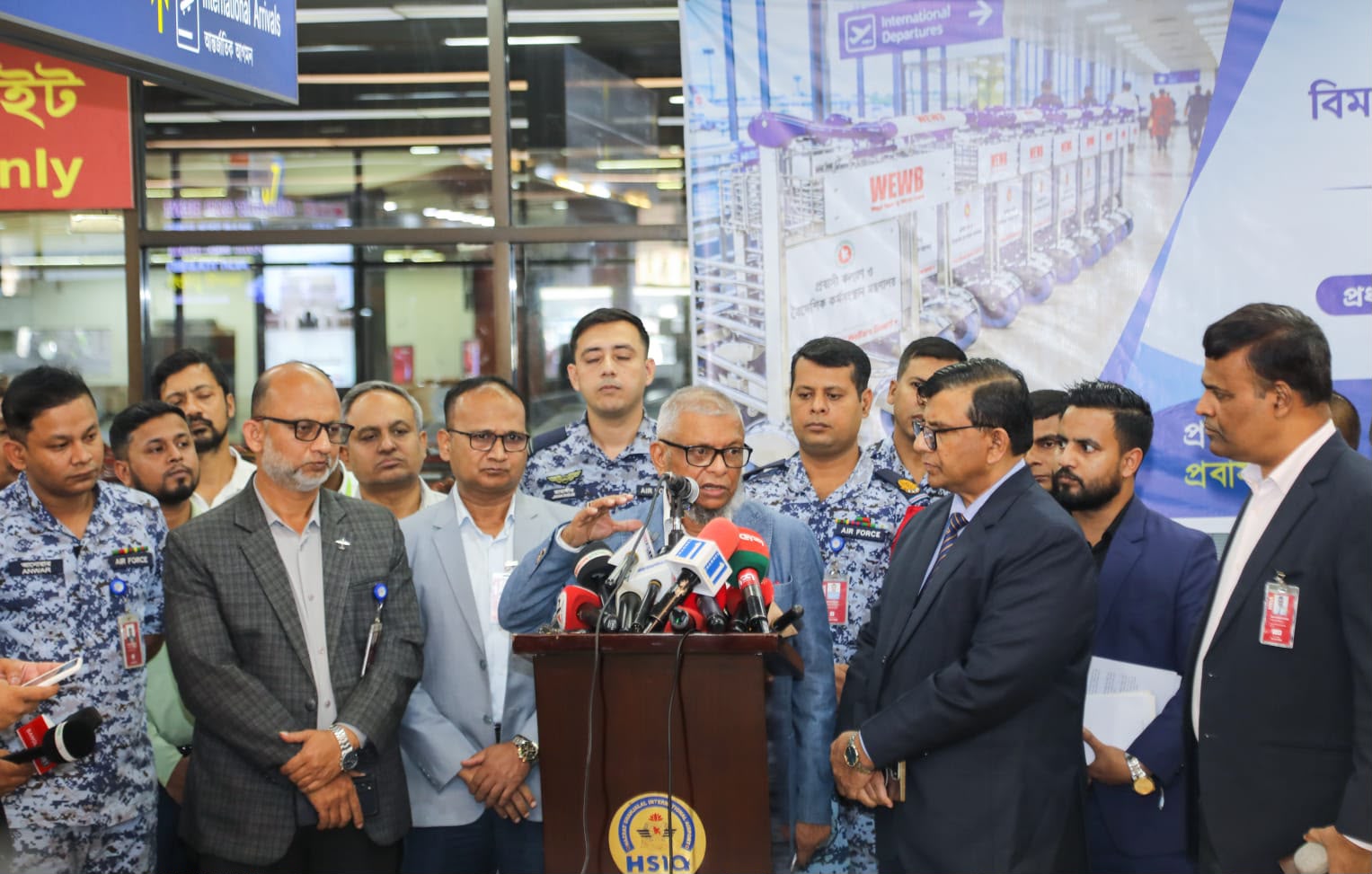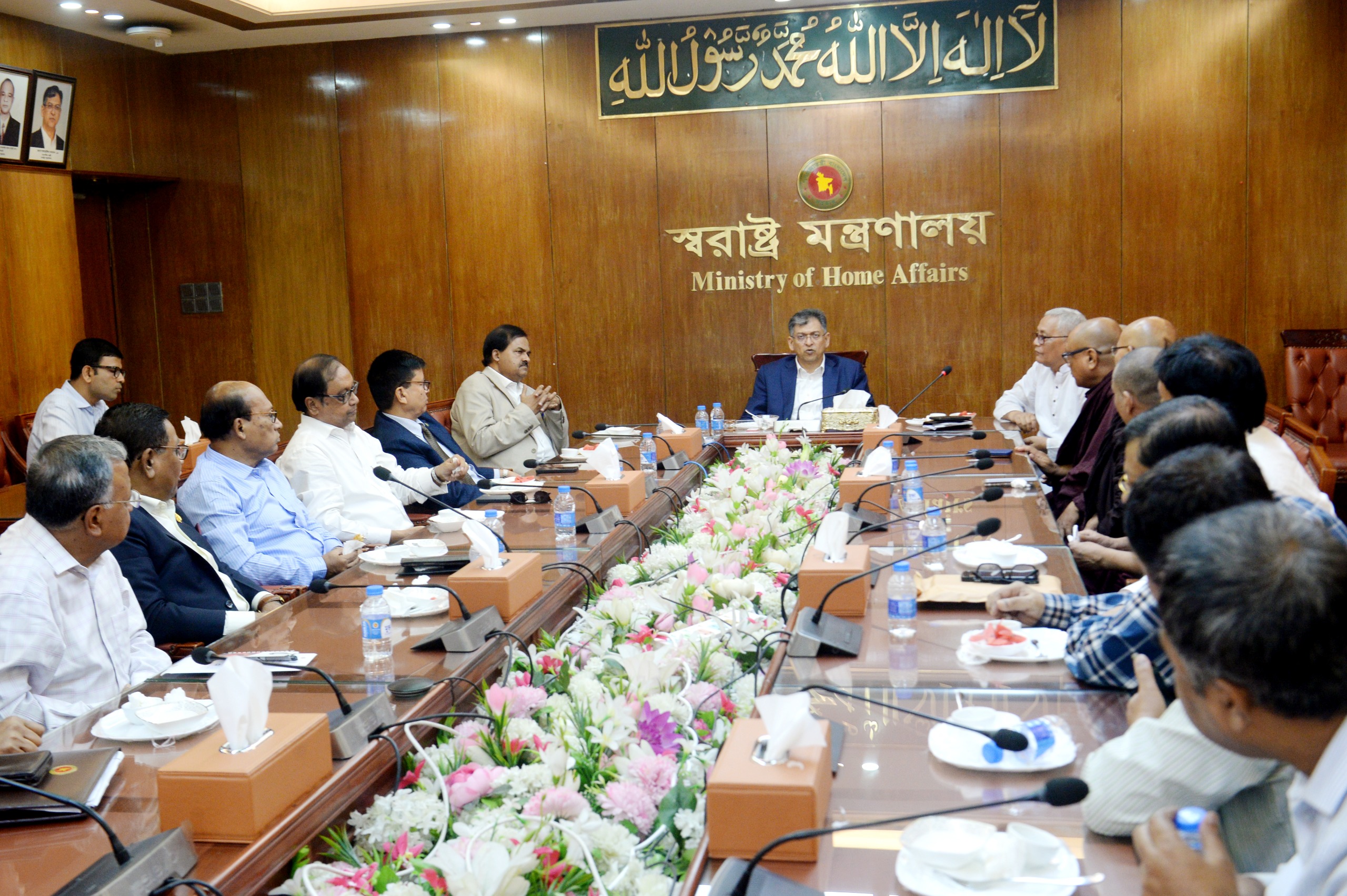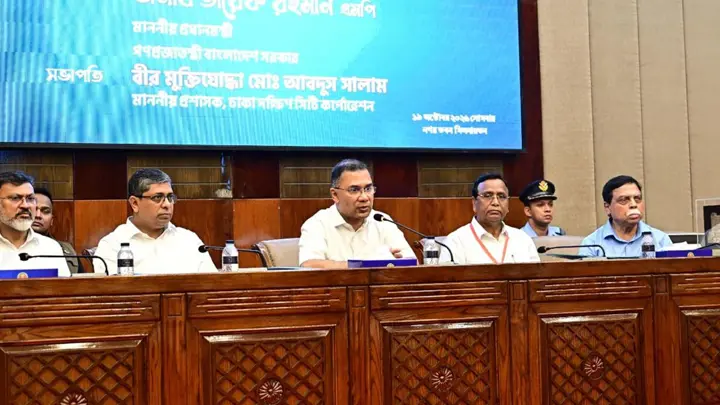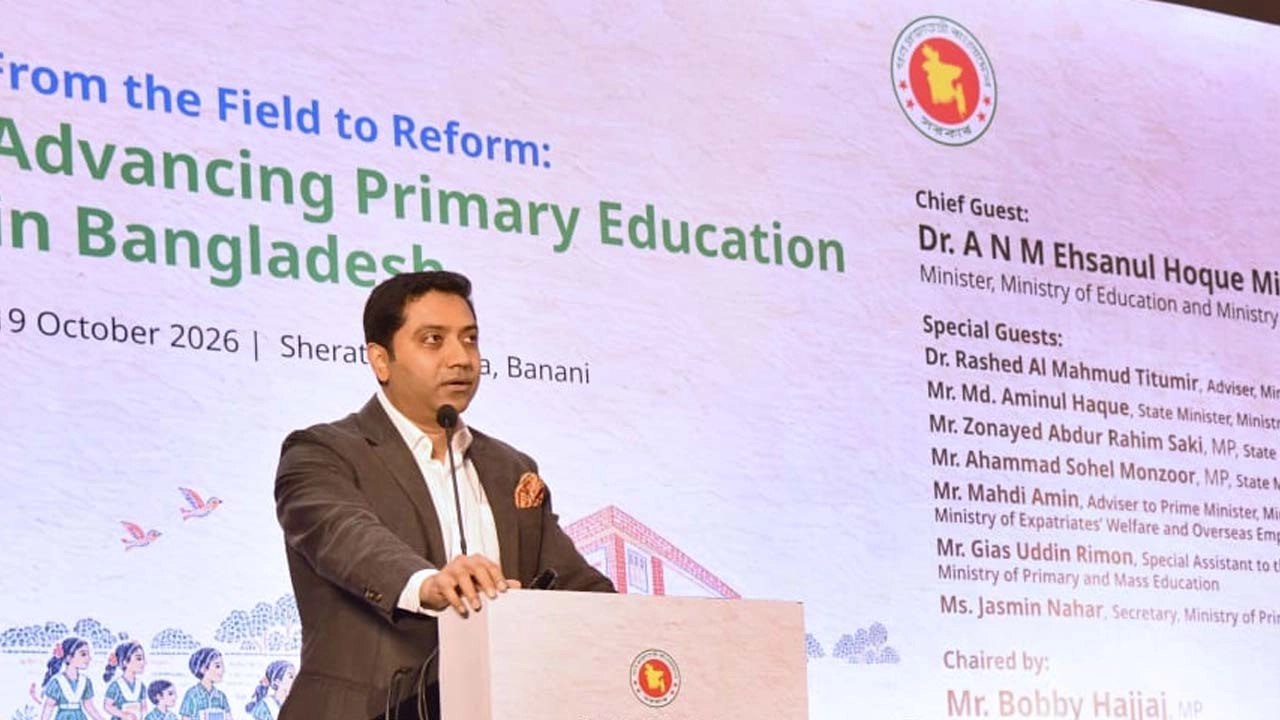

He said this while delivering the chair's remarks at a national dialogue and experience-sharing workshop jointly organized by the Ministry, the Directorate of Primary Education and UNICEF at the Sheraton Hotel in the capital on Monday (August 19). The workshop was titled ‘Reform from the Field: Bangladesh’s Progress in Primary Education’.

The state minister said every area of primary education is closely interrelated. Desired success cannot be achieved by developing one area while ignoring others. Therefore, integrated reform activities must be advanced based on field-level realities and the opinions of relevant stakeholders.

He said work is underway to build an outcome-based and child-friendly education system with the aim of launching a new curriculum in 2028. Importance will be given to improving proficiency in Bangla, mathematics and English, play-based learning, digital educational materials and practical learning. At the same time, work is underway to formulate a teacher policy by integrating teacher recruitment, training, deployment and professional development.
Bobby Hajjaj further said classrooms, furniture, toilets and safe water facilities in schools must be made suitable for children. It is important to ensure a safe and child-friendly learning environment considering the geographical realities of various areas, including river erosion-prone and hilly regions. According to the instructions of Prime Minister Tareq Rahman, the government is also giving importance to ensuring every child’s access to education, developing moral values and acquiring skills suitable for future careers.

Director General of the Directorate of Primary Education Shahina Ferdousi delivered the welcome address. Special guests were State Minister for Culture Ali Newaz Mahmud Khaiyam, members of the relevant parliamentary standing committee Md. Moktar Ali, Reza Kibria and Bithika Binte Hossain, Prime Minister’s Special Assistant Gias Uddin and Executive Director of Campaign for Popular Education Rasheda K. Chowdhury. Officials from various ministries, development partner organizations and representatives of civil society participated in the dialogue.