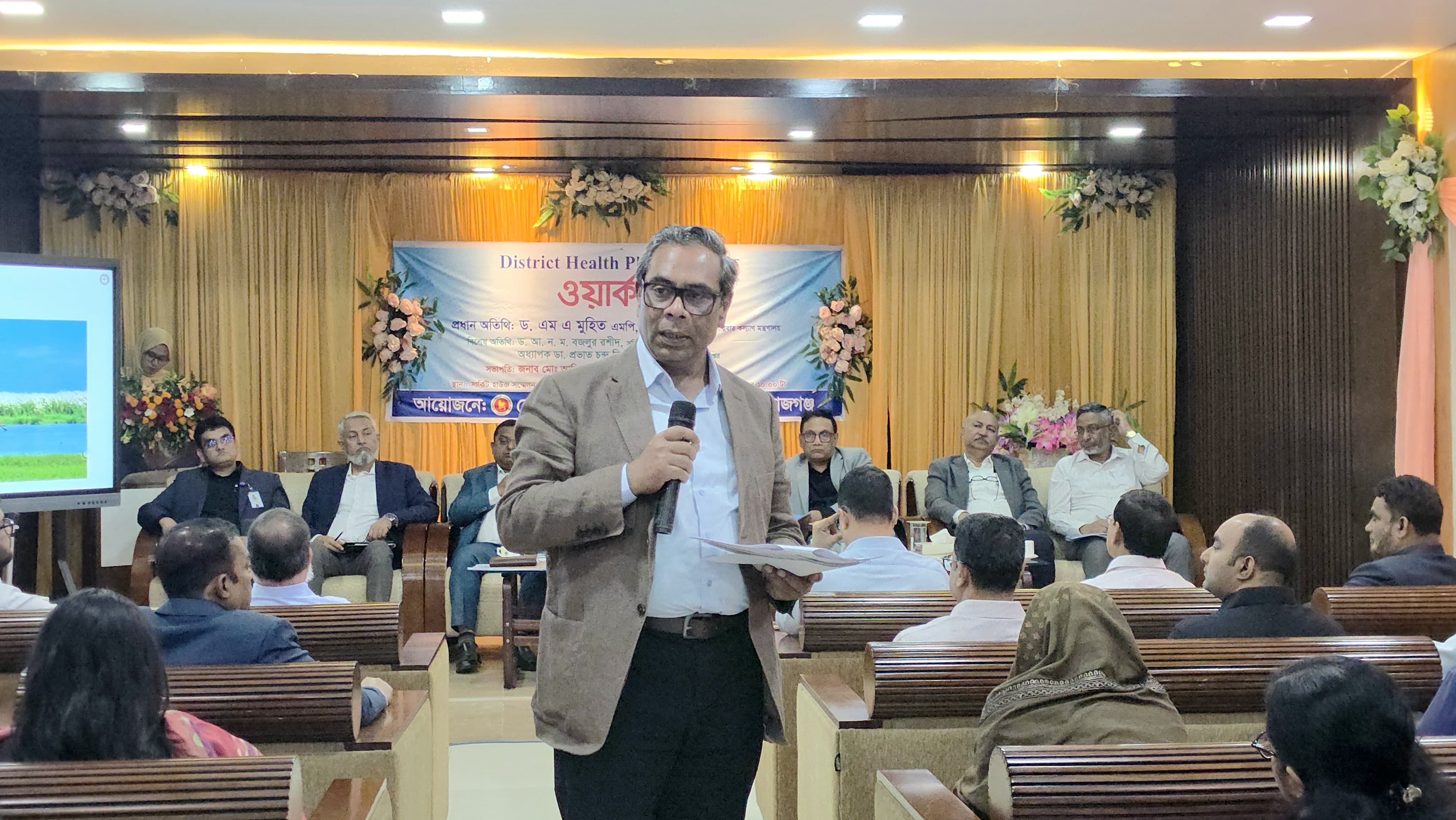

He said these things while speaking as the chief guest at a workshop titled ‘District Health Planning’ at the Circuit House in Sirajganj at noon on Thursday (November 12), jointly organized by the Sirajganj District Administration and the Health Department.

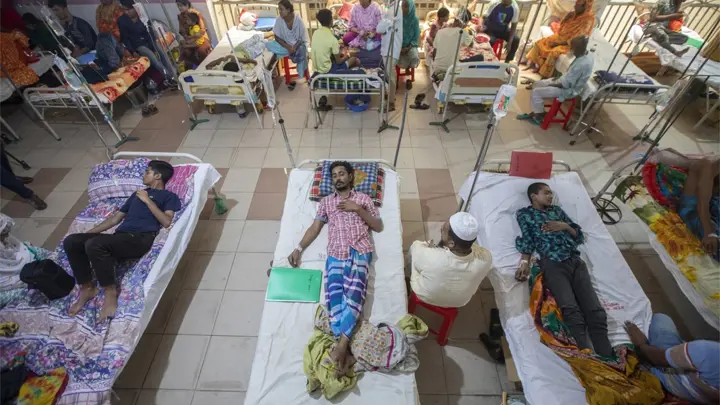
He said that ordinary rural people, unable to understand where to go after coming to the hospital, fall into the clutches of brokers. To stop this, a plan has been taken to attach 10 students (5 male and 5 female) studying in colleges around each upazila health complex as volunteers one day a week, in exchange for a daily honorarium. They will guide patients from buying tickets to the doctor and laboratory and will create a sense of ownership in the hospital.

Regarding the family planning sector, the state minister said a special year-long campaign will start at the national level from the upcoming first of December, and from the first day field workers will be able to work with sufficient family planning materials in hand. Besides, among the 5-6 districts in the country where the first ‘e-health card’ piloting will be done, Sirajganj is also included, and he announced to build Sirajganj as the country's first cataract-free district within the next 2 years.
Dr. M A Muheet said that instead of waiting for big projects, with the existing limited resources, people must be provided clean hospitals, a broker-free environment and free services of at least half the medicines and tests within the next 3 months. He also said a ‘District Health Forum’ would be formed with civil society, journalists and service recipients to remove misunderstandings with the people, and research on local health problems would be conducted through NIPSOM researchers.

Mentioning that the responsibility of health services for about 35.5 lakh people of Sirajganj lies in the hands of the officials present, the state minister directed the district's 9 upazila health complexes, Sadar Hospital and Medical College to submit a 90-day work plan, including targets for the first, second and third months, within the next 7 days.

At the workshop, Secretary of the Health Services Division Dr. A. N. M. Bazlur Rashid said that a policy decision may be taken to provide a special operating fund of Tk 10 to 50 lakh in hand as a pilot for the financial empowerment of field-level officials. He further said that if the recruitment of 5,000 new manpower is completed by next February, all vacant posts in Sirajganj will be filled and it will be developed as a ‘lighthouse’ or model district; alongside, he laid the highest importance on ensuring that doctors and nurses treat patients well.
Special guest Director General of the Directorate General of Health Services (DGHS) Professor Dr. Prabhat Chandra Biswas said that in the last eight months there has been visible improvement in attendance, cleanliness and the supply of vaccines and emergency medicines in the country's health institutions. Following the Prime Minister's directive, by forming public-friendly ‘Vigilance Teams’ and ‘Grievance Redressal Cells’ in the upazilas of Sirajganj, all kinds of cooperation will be given from the Directorate to implement this model district.
The workshop, held under the chairmanship of Sirajganj Deputy Commissioner Md. Aminul Islam, featured the main paper presented by Civil Surgeon Dr. Muhammad Nurul Amin. Among others, Director (Administration) of the Directorate General of Health Services Professor Dr. Jalaluddin Mohammad Rumis and senior officials of the district were present.