



According to experts, just as adequate sleep, regular exercise, and mental balance are necessary for a healthy brain and nervous system, a balanced diet and essential nutrients are equally important.

Which vitamin deficiencies affect mood
Vitamin D
A deficiency of vitamin D can cause symptoms like fatigue, lack of energy, exhaustion, and depression in many people. Those who spend long hours indoors or do not get enough sunlight are at higher risk of this deficiency.

Vitamin B12
Vitamin B12 is extremely important for maintaining the normal functioning of the nervous system. Its deficiency can lead not only to physical weakness but also to problems like decreased concentration, memory loss, irritability, and prolonged sadness.
Folate (Vitamin B9)
A deficiency of folate can lead to fatigue, mental exhaustion, lack of interest, and decreased performance.

Vitamin B6
Vitamin B6 helps the body produce serotonin, dopamine, and gamma-aminobutyric acid (GABA). These chemicals play an important role in regulating mood, sleep, and mental balance. Therefore, a deficiency of this vitamin can increase anxiety, restlessness, and irritability.

Why is Vitamin B12 so important?
The body cannot produce vitamin B12 on its own. So it must be obtained from food or, if necessary, from supplements as advised by a doctor. Experts say that without a doctor's advice, it is best to get this vitamin from natural foods as much as possible rather than taking supplements.
Which foods contain Vitamin B12
Milk: One glass of milk contains about 1.1 micrograms of vitamin B12. This can fulfill a large part of the daily requirement.
Yogurt and Greek yogurt: One bowl of yogurt or yogurt contains about 0.6 to 1 microgram of vitamin B12. Additionally, the probiotics in it help maintain gut health.
Cheese: Every 100 grams of cheese contains about 0.7 to 0.8 micrograms of vitamin B12 and adequate protein.
Spinach: Although spinach is not a reliable source of vitamin B12, it contains various essential nutrients including iron, folate, calcium, and fiber.
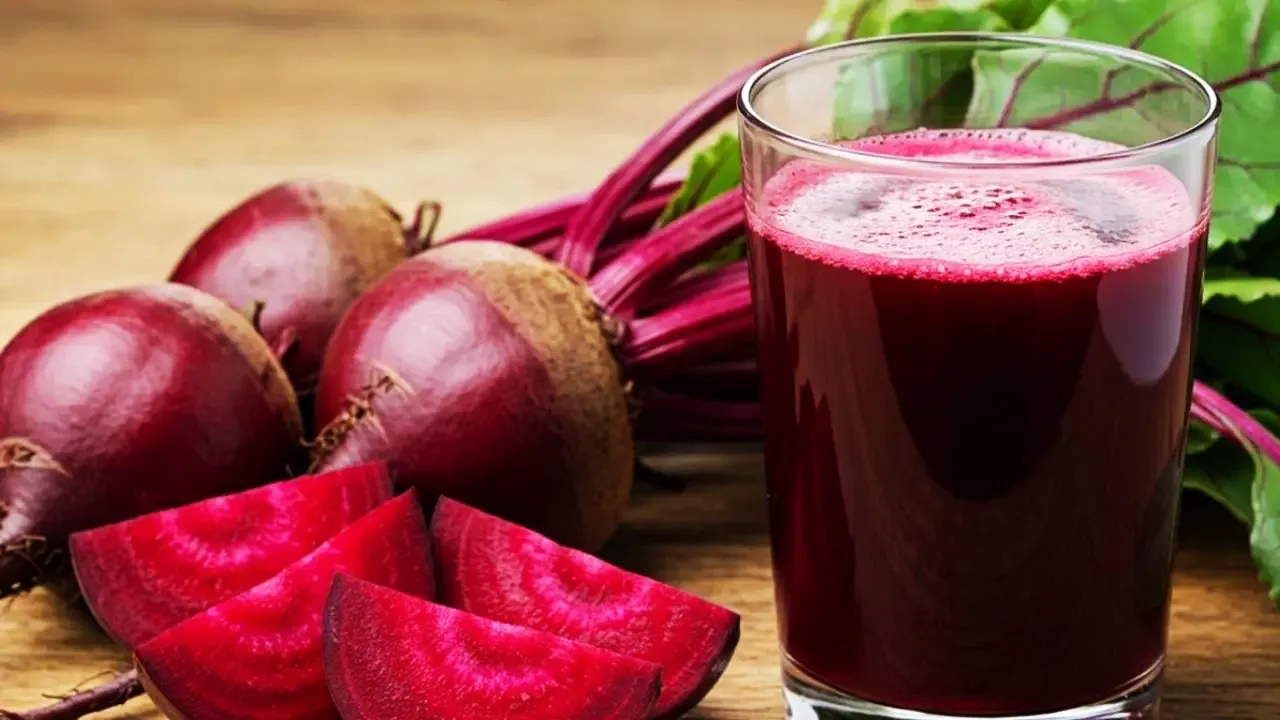
Beetroot: Beetroot is rich in iron and antioxidants. Although it is a healthy food, it is not a significant source of vitamin B12.
Whey (whey water): Whey contains protein and some nutrients that can be beneficial for the body.
Don't rely only on food
If you have been feeling sad all the time for a long time, fatigue does not go away, concentration decreases, or memory problems occur, then changing your diet alone is not enough. It is important to consult a doctor and, if necessary, get a blood test to confirm whether there is a deficiency of vitamin B12, vitamin D, iron, or other nutrients.
Because once the correct cause is identified, treatment becomes more effective, and it becomes easier to maintain long-term mental and physical well-being.