


He informed that the 'Long March to Dhaka' programme, announced for August 6, was rescheduled to August 5, bringing it forward by one day.

In a statement to Samoy News, Asif Mahmud said, “This decision was the most important turning point in the fall of fascism. There was no room for taking risks then. Once failed, we would not have had the chance to bounce back. Thousands of people could have been killed. We might have been killed too. So within two to three hours of announcing the previous programme, we changed it and brought it forward by one day.”

During that turbulent time of 35 July, several former army officers also urged the armed forces not to confront the students and the masses.
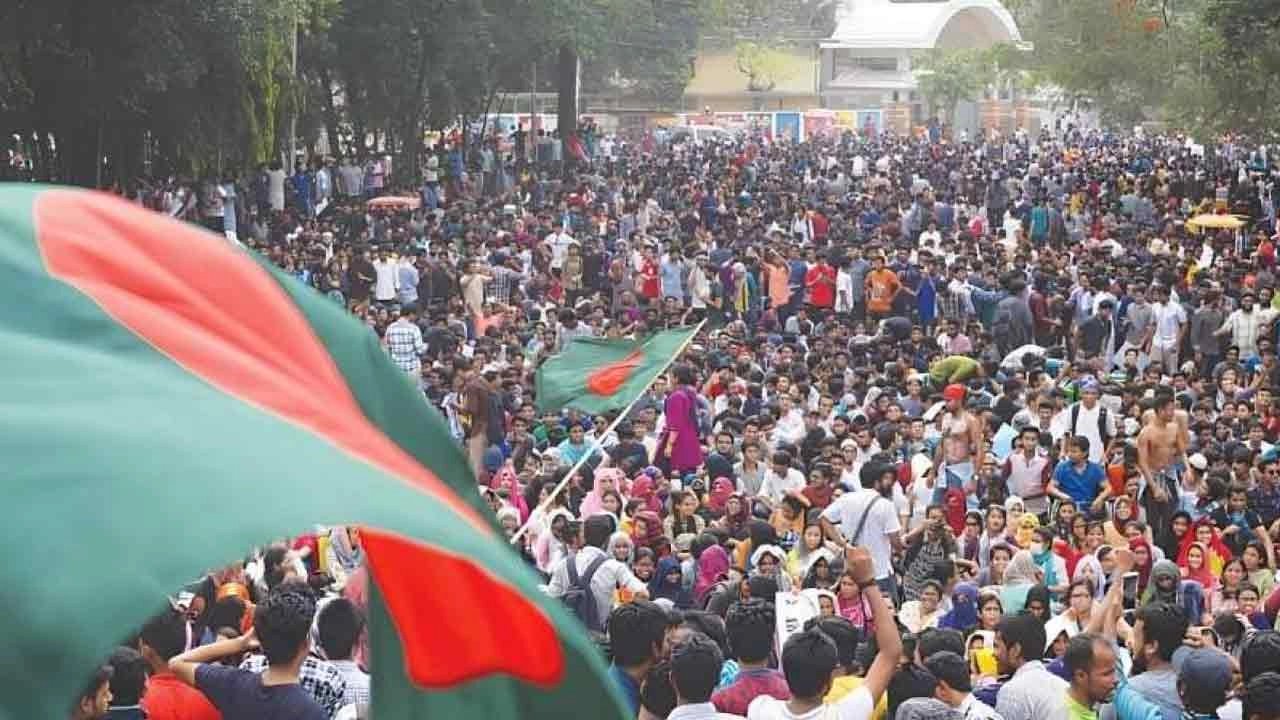
Afterwards, the announcement of ‘Not the day after tomorrow, the Long March to Dhaka is tomorrow’ gave fresh momentum to the movement. On August 5, thousands of people from different parts of Dhaka took to the streets and headed towards Ganabhaban.

That day ultimately paved the way for the end of 17 years of rule and marked a significant turning point in the history of the July mass uprising.