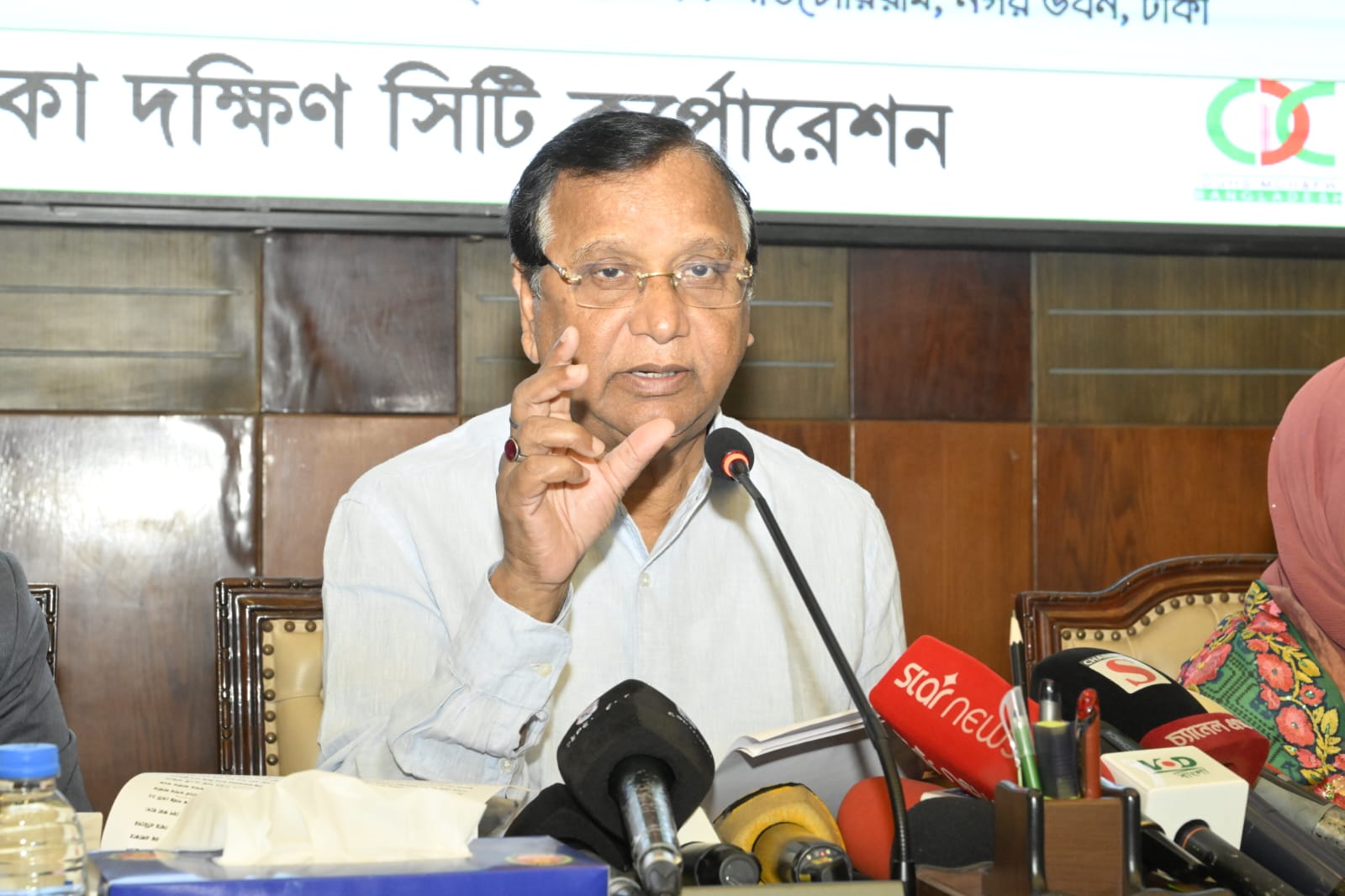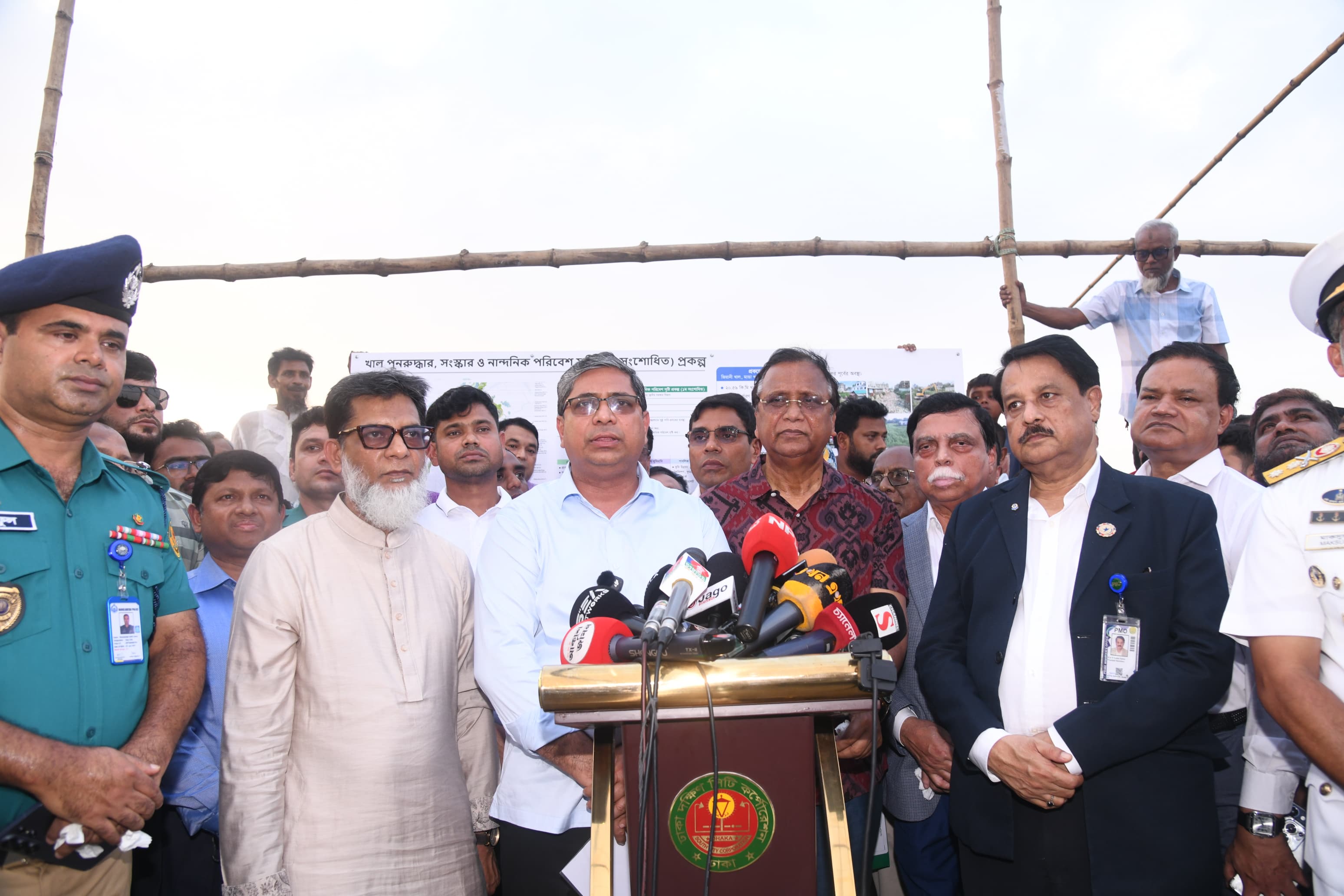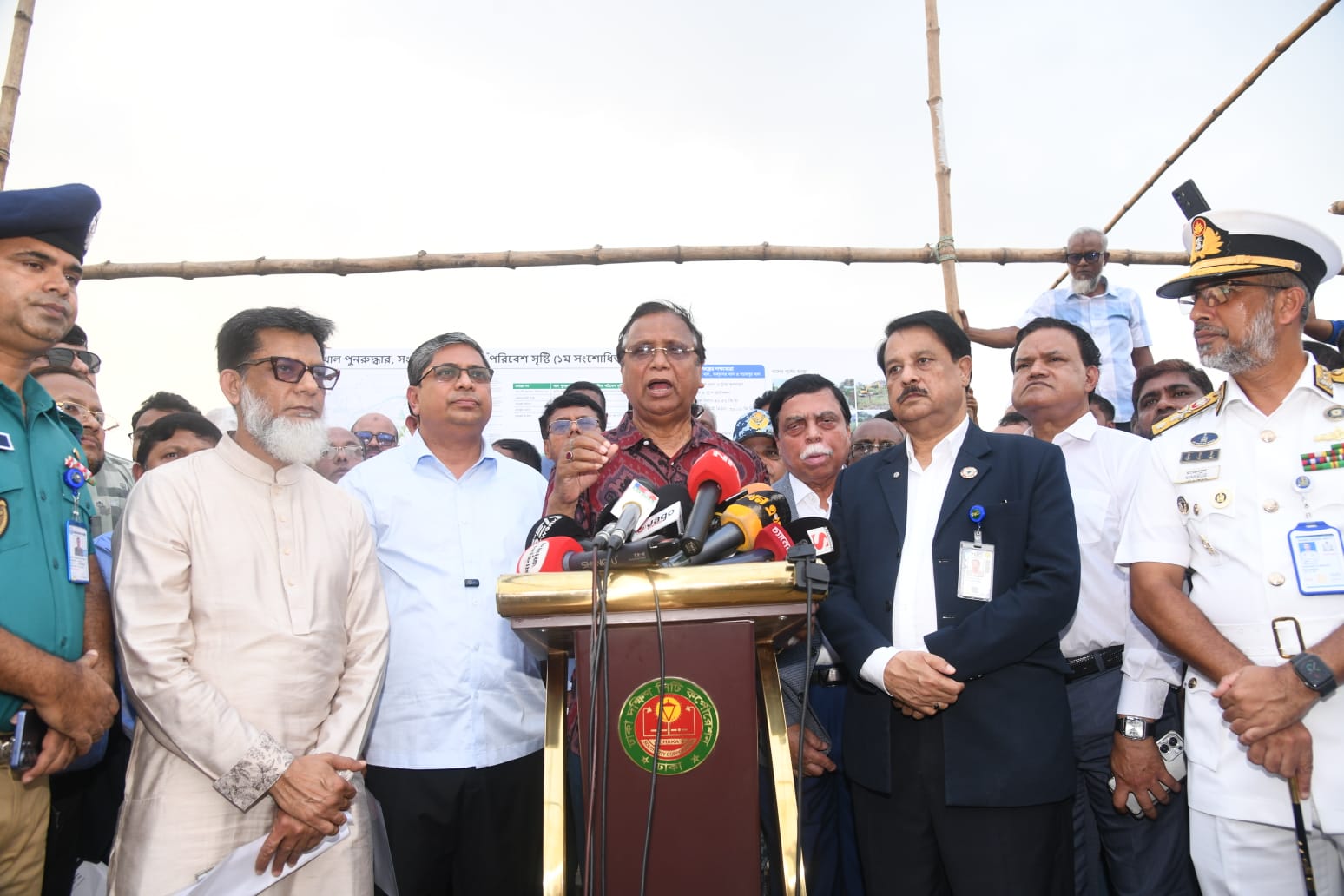




The minister said that cooperation from industrial owners is needed to make the rivers pollution-free. Setting up ETPs is essential to prevent untreated polluted water from factories being discharged into canals or rivers. He urged businessmen to fulfill their responsibility as creators of the country's wealth while also being conscious of protecting the environment.


Principal Secretary to the Prime Minister A B M Abdus Sattar said the Prime Minister dreams of transforming the Buriganga into the River Thames. If everyone works together, the Buriganga, Turag or Shitalakshya can be developed like London's Thames. He also mentioned the construction of hanging bridges over the rivers at Gabtoli and Ashulia and plying vessels for tourists.

At the meeting, the Navy presented the 'Coordinated Action Plan for Controlling Pollution of the Buriganga River'. It identified a total of 224 waste discharge sources — 166 in the Buriganga and 58 in the Turag. Emphasis was placed on source-based lists of industrial waste, installation of ETPs, closure of unauthorized drains, and restoring water flow through waste removal.

State Minister Sheikh Faridul Islam said that the matter of establishing ETPs centrally will be considered, and efforts will be made to reduce duties on ETP chemical imports. Officials of concerned ministries, departments, industry owners' organizations and media representatives were present at the meeting.