


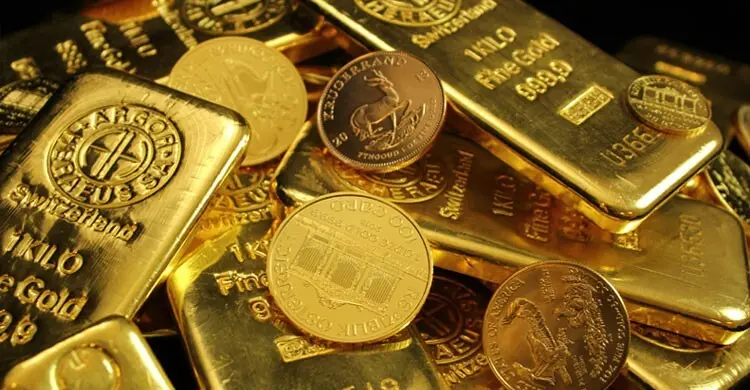

According to a Reuters report, spot gold prices rose 0.4 percent to $4,391.07 per ounce in the international market on Monday. Earlier last week, gold prices had reached their highest level in more than two months.

Meanwhile, US gold futures for December delivery rose 0.3 percent to $4,448.10 per ounce. During the same period, the US dollar index fell 0.1 percent. As a result, gold, which is priced in dollars, has become relatively cheaper for investors transacting in other currencies.

Tim Waterer, chief market analyst at KCM Trade, said relatively soft inflation data in the United States has put pressure on the dollar. This has given gold prices an opportunity to move toward $4,400.
Recently, US employment in July unexpectedly fell short of expectations. In addition, inflation data was also relatively soft. These economic indicators have lowered market expectations of a Federal Reserve interest rate hike next month.

According to CME FedWatch data, the probability of a Fed rate hike in September is currently 30 percent. A month ago, this probability was 47 percent.

Generally, when interest rates are low, the opportunity cost of holding gold as a non-yielding asset decreases. This increases gold's appeal to investors and allows its price to trend upward.
The market's main focus now is on the minutes of the Federal Reserve's July meeting, due to be released on Wednesday. That document may provide a clearer picture of the central bank policymakers' stance on future interest rates.
Prices of other precious metals also rose in the international market. Spot silver prices rose 1.4 percent to $65.53 per ounce. In addition, platinum prices rose 0.3 percent to $1,752.36 per ounce. Palladium prices rose 1.6 percent to reach $1,333.35 per ounce.