

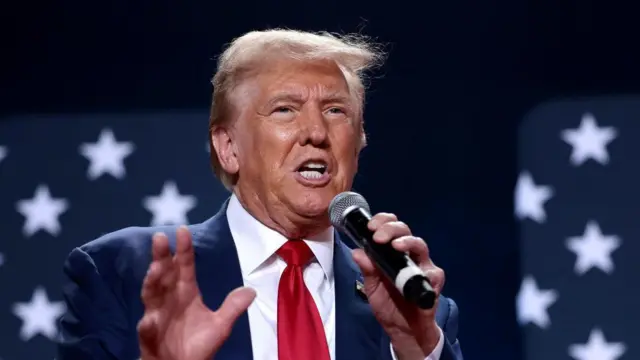

In a report by Al Jazeera on Saturday (22 August), it was said that after the deadline set by US President Donald Trump expired at 12:01 a.m. Saturday night, the two countries were unable to reach a trade agreement. Immediately after, the US imposed new high tariffs on Canadian goods.

After the trade talks failed, Canadian Prime Minister Mark Carney announced retaliatory tariffs equal to the US-imposed tariffs. He said that although significant progress had been made in recent weeks toward an effective trade agreement, it was not enough to protect Canada's interests.

Carney also said the government would take additional supportive measures to protect Canadian businesses and workers from the negative effects of the newly erupted trade conflict.
On the other hand, US Trade Representative Jamieson Greer blamed Canada for the collapse of the talks. He alleged that Canada had backed away from implementing the conditions on which the two sides had previously reached an agreement. He also claimed that the balance created in the talks was disrupted because of some new demands raised at the last moment.

The new tariffs will cover about 5 percent of Canada's total goods exported to the US. These include electronic products, industrial machinery and dairy products. In addition, existing US tariffs on Canadian steel, lumber and cars remain in effect.

During Donald Trump's current term, the US has raised tariffs on Canadian goods several times. In response, Canada has also taken countermeasures. Last July, Trump threatened to impose new tariffs, accusing Canada of discriminatory trade policies against US goods.
According to trade experts, the 50 percent tariff on Canadian goods could make it difficult for a large number of the country's products to enter the US market. This could put renewed pressure on the long-standing trade relationship between the two countries.