

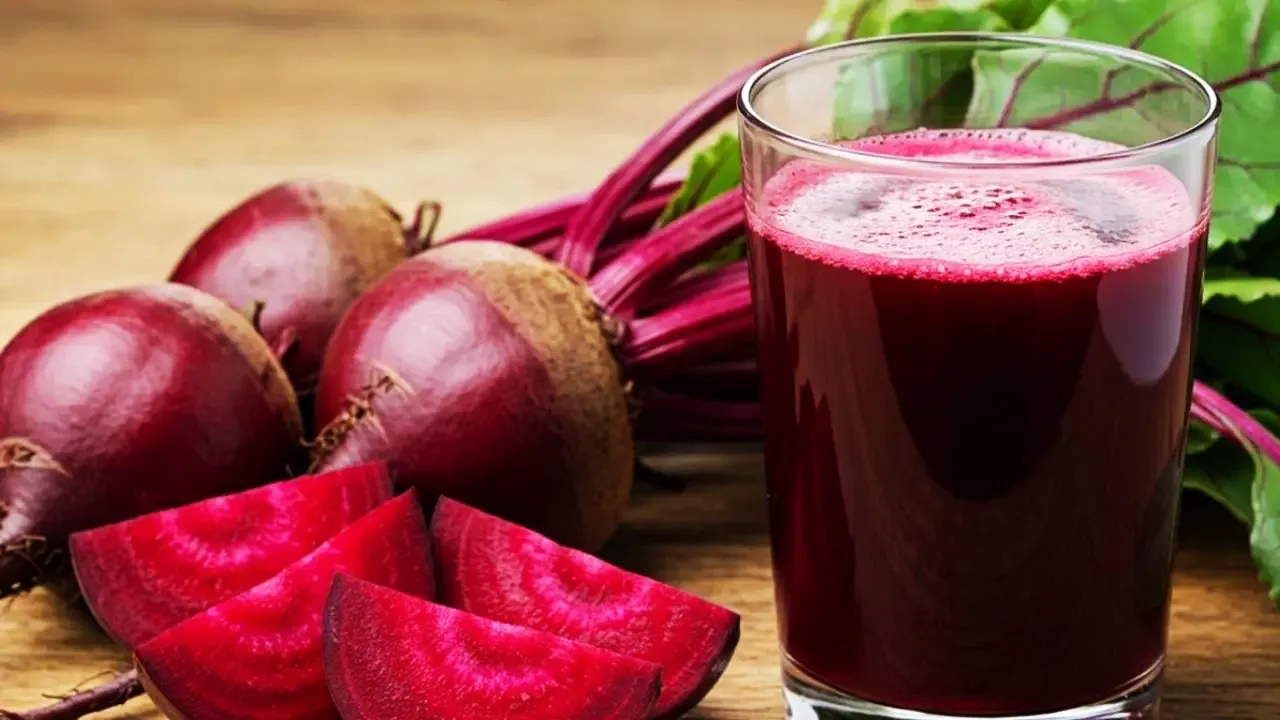

Beetroot contains nitrates, dietary fiber, vitamins, minerals, and antioxidants. In moderate amounts, it may support heart health, digestion, exercise performance, and weight control.
10 potential benefits of beetroot—
Advertisement
- Supports heart health: The nitrates in beetroot may help dilate blood vessels and regulate blood pressure.
- May improve exercise performance: Nitrates may help increase the body's efficiency in using oxygen.
- Aids digestion: Dietary fiber helps reduce constipation and maintain regular bowel movements.
- Supports normal liver function: The betaine in it may play a role in normal liver function.
- Supports brain health: It may play a role in normal brain function by increasing blood circulation.
- Supports the immune system: Vitamin C, folate, and other nutrients contribute to the body's normal immune system.
- Beneficial for skin: Antioxidants may help protect cells from oxidative damage.
- Helps with weight management: Being low in calories and high in fiber, it may help keep you full for longer.
- May help reduce inflammation and oxidative stress: Antioxidant compounds including betalains may play a role in this regard.
- Helps fill nutritional gaps: As a source of various vitamins and minerals, it can be part of a balanced diet.
⚠️ Caution if you have kidney stones
Beetroot contains a relatively high amount of oxalate. Excess oxalate may increase the risk of calcium oxalate kidney stones in some people. Therefore, those who have had kidney stones before or are at risk should eat beetroot after consulting a doctor.
Advertisement
If beetroot is boiled and the water is discarded, the oxalate content can be reduced somewhat. At the same time, it is also important not to consume excessive amounts of other high-oxalate foods such as spinach and nuts, and to drink enough water.
Remember: Although beetroot is a beneficial food, it is not an alternative to treatment for any disease.
Advertisement