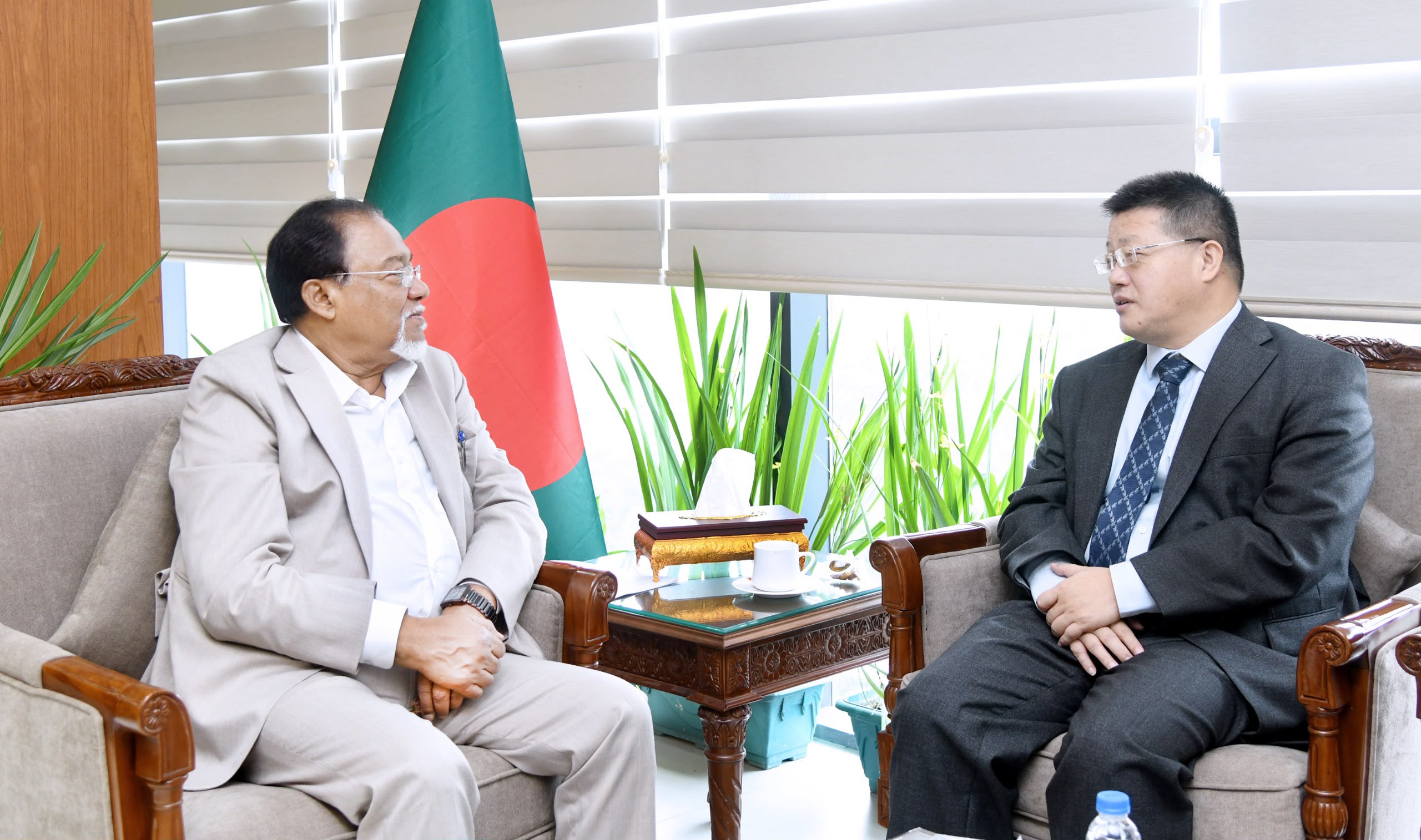


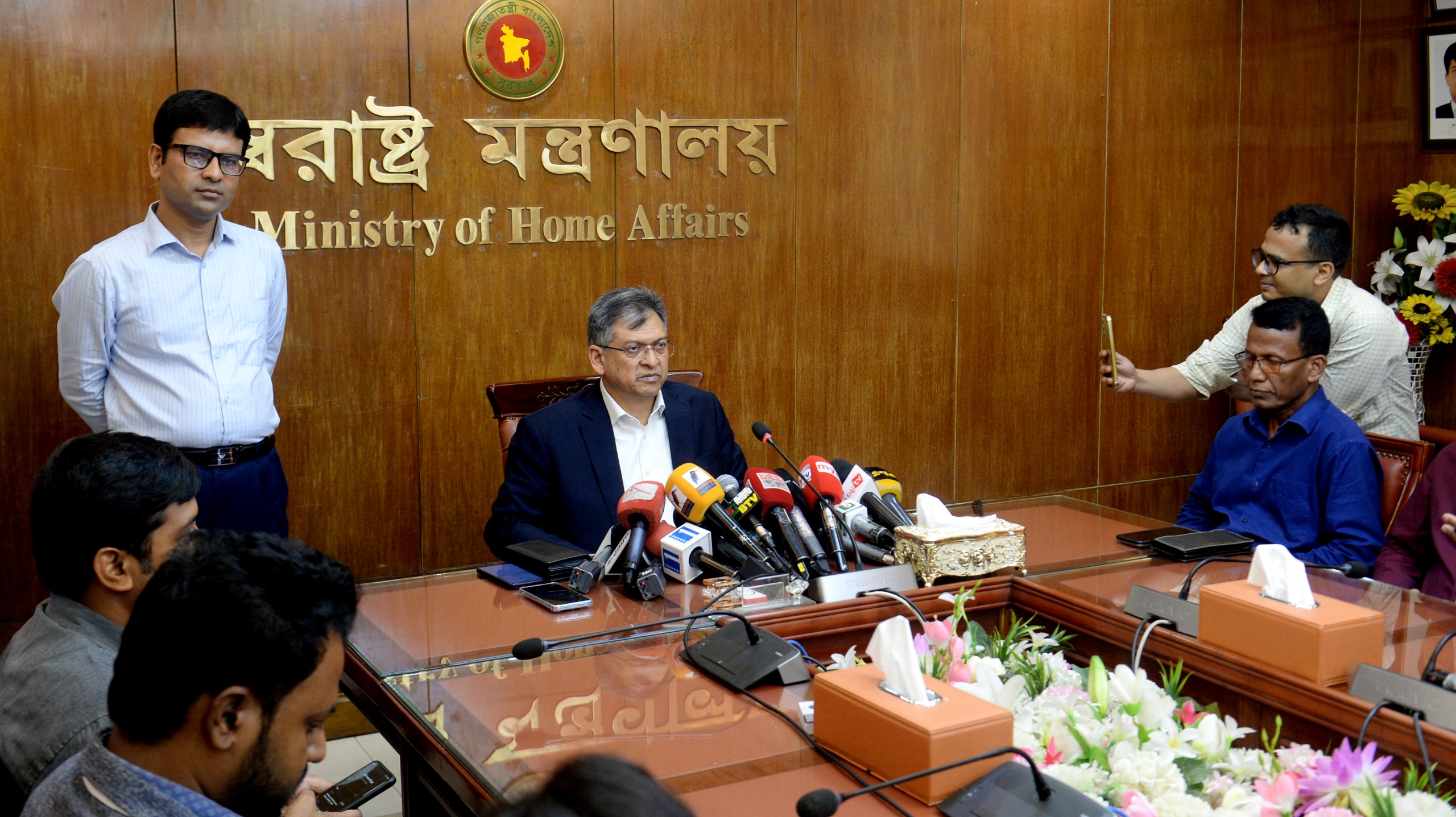

On Sunday (September 20), responding to journalists' questions at the Secretariat, he said that based on intelligence information, the people staying at the mosque after Friday prayers were detained. Later, their mobile phones were forensically examined and they were interrogated.

The Home Minister said that no significant evidence, proof, or information was found against 11 of the 23 detainees. They were later handed over to their guardians and prominent members of society.

Based on information obtained from forensic examinations of the mobile phones and interrogation of the other 12, allegations were found that they had organized in extremist activities aimed at establishing a caliphate by forming an organization called ‘Ittehadul Ummah’, the minister said.
He said the government has a ‘zero tolerance’ policy regarding extremist activities. A case has been filed in this incident and the accused have been placed on remand. More information will emerge in this regard through investigation.

The Home Minister said that if any crime is committed, it is the government's responsibility to take prompt legal action. At the same time, importance is being given to identifying the causes behind crimes and preventing social degradation. In particular, noting that issues such as drugs, gambling, and pornography are linked to cybercrime, he said more attention should be given to children and adolescents' cultural activities, sports, and moral education.