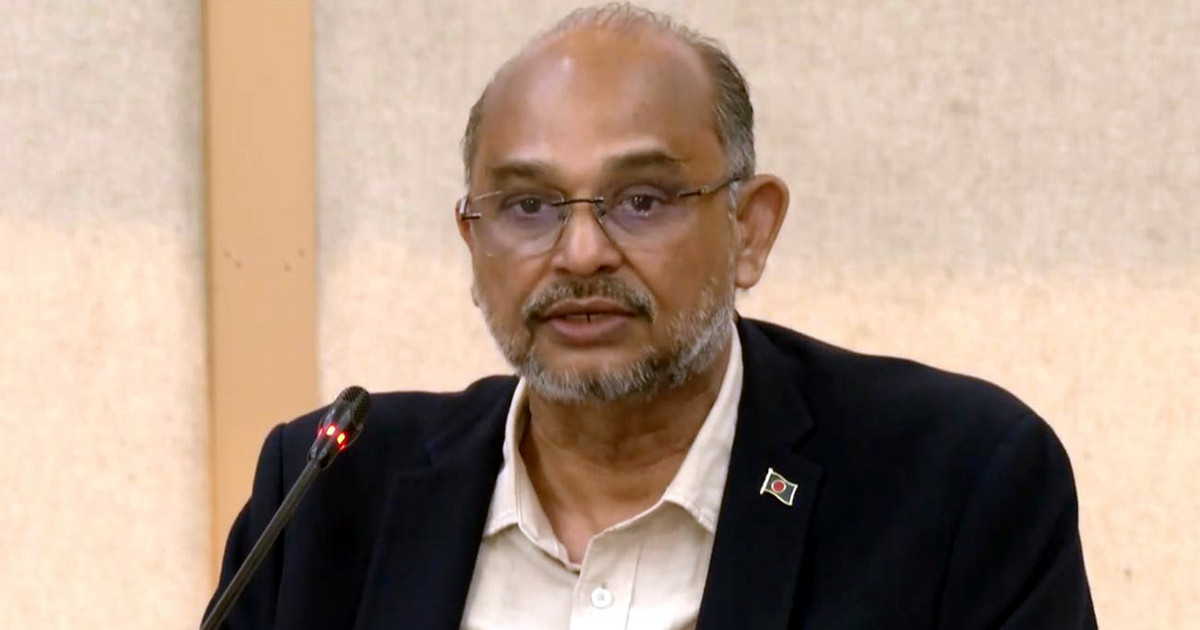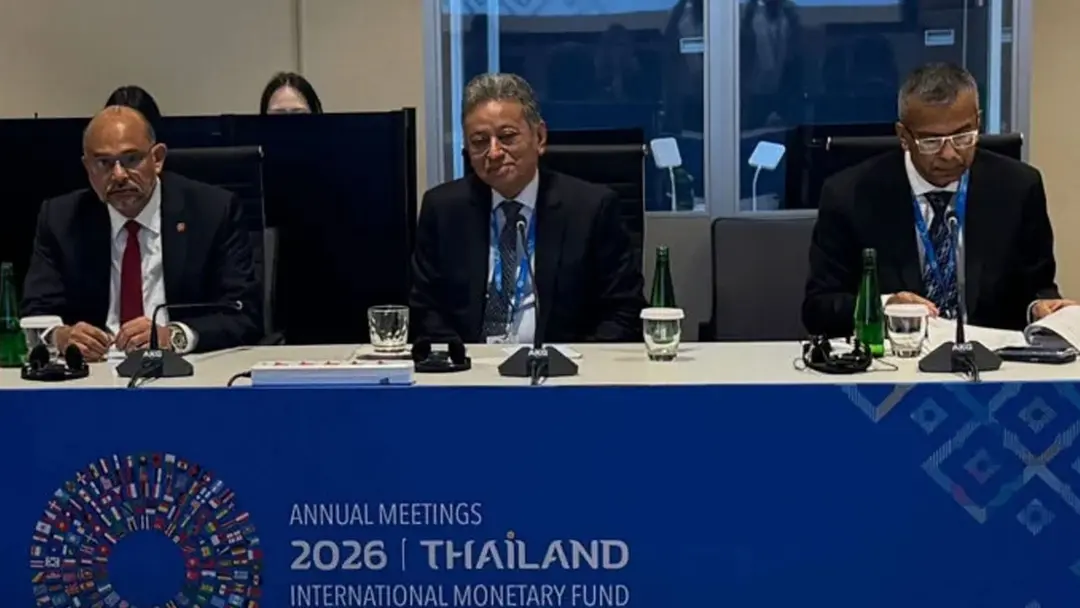



Speaking at a press conference on the sidelines of the annual meetings of the World Bank and IMF in Bangkok, Thailand, Sonali Jain-Chandra, Deputy Director of the IMF's Asia and Pacific Department, said these things.

According to IMF data, last September, inflation in Bangladesh rose to 8 percent. In coping with this pressure that has continued for about three and a half years, the country currently faces major challenges in all three areas—revenue management, the financial sector, and inflation. The institution stressed adopting a credible reform strategy, especially to overcome weaknesses in the financial sector. Besides, the country's revenue-to-GDP ratio has steadily declined and now stands at about 7 percent, one of the lowest in the world. It urged taking coordinated measures to increase tax collection to meet development expenditure and strengthen the economy.

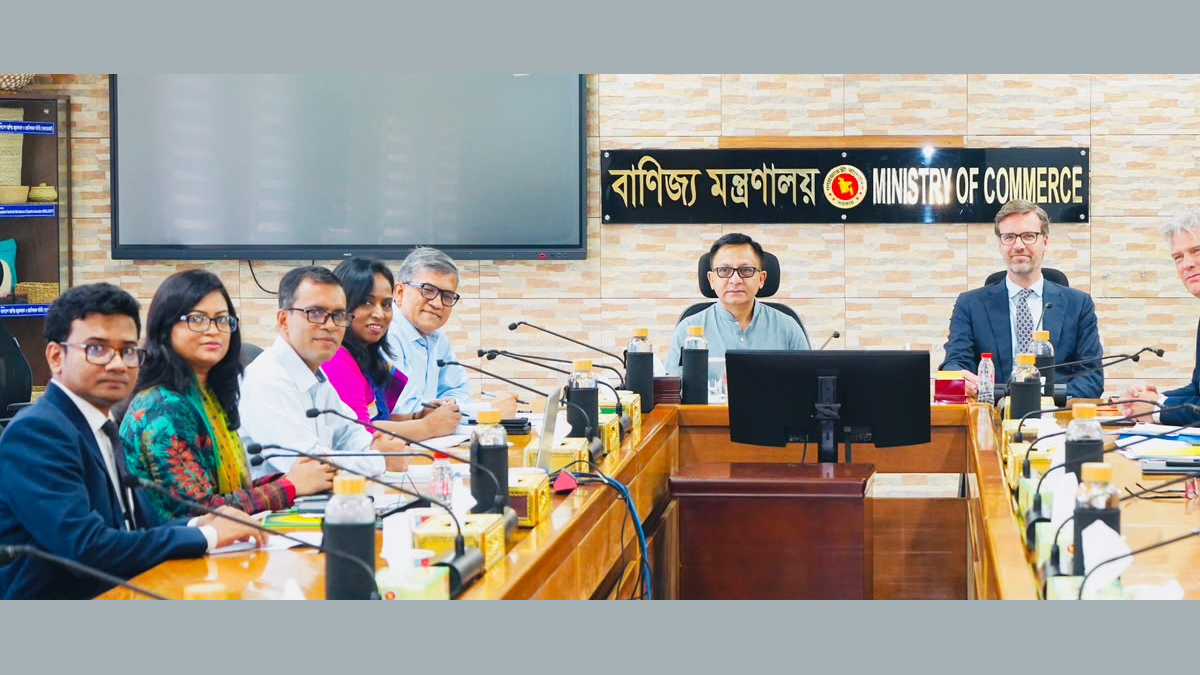
Meanwhile, discussions continue over a new IMF loan program for Bangladesh. After the Bangladesh government requested a new program last May, an IMF delegation visited Dhaka in July. Noting that the matters discussed during the visit were consistent with this year's ‘Article IV’ recommendations, Sonali Jain-Chandra said the IMF's regular communication and cooperation continue to assist Bangladesh in implementing necessary reform activities.