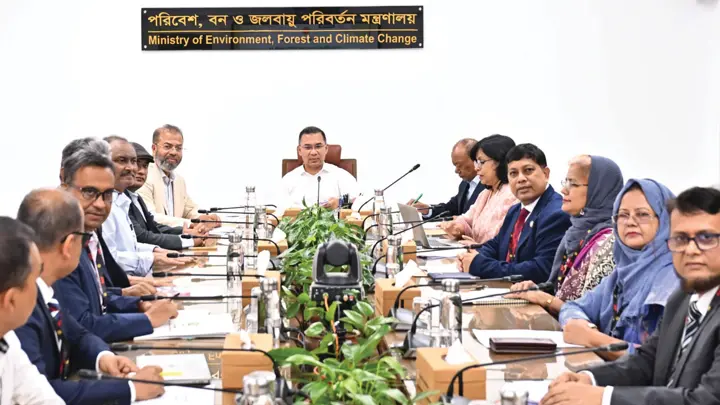


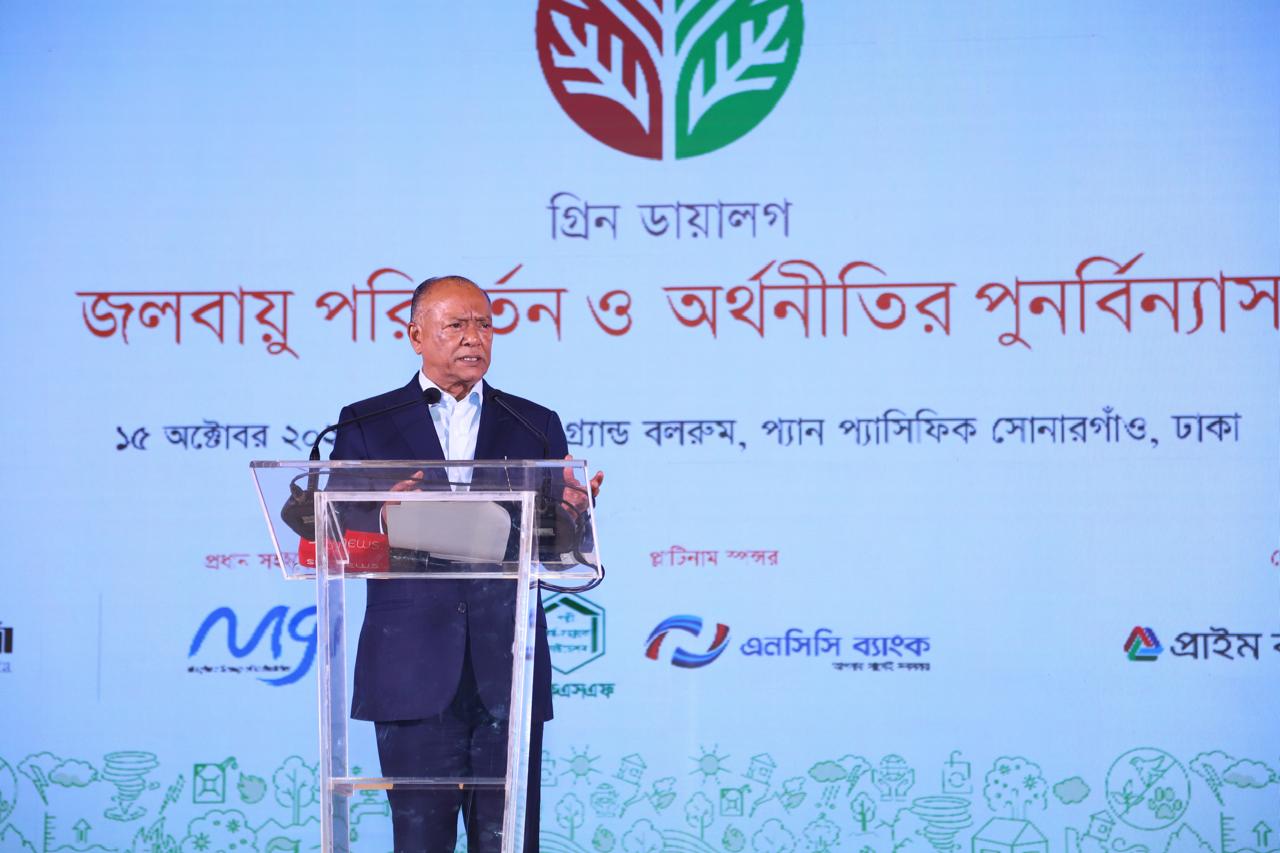

He said these while speaking as the chief guest at a discussion titled ‘Green Dialogue: Climate Change and Economic Restructuring’ organized by the daily Bonik Barta at the Pan Pacific Sonargaon Hotel in the capital on Thursday.

The environment minister said excessive heat is reducing the productivity of factory workers. Increased salinity in coastal areas is putting pressure on farmland and drinking water. Excessive rain, drought and floods are disrupting agricultural production as well as damaging roads and communication infrastructure. As a result, transport costs are rising and there are fears of negative impacts on industrial production, exports and employment.

He said that amid slow growth, inflation, investment constraints and pressure on the energy sector, climate change could create an additional burden on the economy. Therefore, climate risk must be given importance in development plans and economic activities. It is also urgent to strengthen timely adaptation strategies to reduce agriculture's dependence on weather and advance preparations to tackle disasters.
Speaking as a special guest at the event, Dr. Md. Saymum Parvez, Special Assistant to the Prime Minister on Environment, Forest and Climate Change, said that although Bangladesh's contribution to global climate change is relatively low, the country is being extensively harmed by its adverse effects. Integrated efforts are needed to tackle internal displacement, salinity, floods and cyclones. He also emphasized the transition from a fossil fuel-dependent economy to a renewable energy-based system.

In a panel discussion moderated by Dewan Hanif Mahmud, editor and publisher of Bonik Barta, businessmen, economists and development experts participated. They emphasized environment-friendly industrialization, renewable energy, energy efficiency, climate finance, sustainable agriculture and strengthening public-private partnership.

At the event, Hams Garments Limited and Infrastructure Development Company Limited were honored in recognition of their contributions to environment-friendly industrialization and climate finance. Hams Garments achieved a score of 108 out of 110 in the international LEED Platinum certification. On the other hand, IDCOL was recognized for bringing 23 million US dollars in carbon revenue into the country against reducing carbon emissions through solar home systems. More than four hundred representatives of government policymakers, economists, entrepreneurs and various organizations participated in the event.