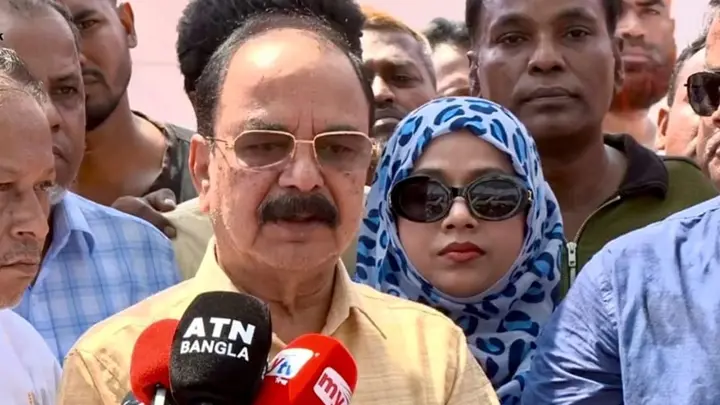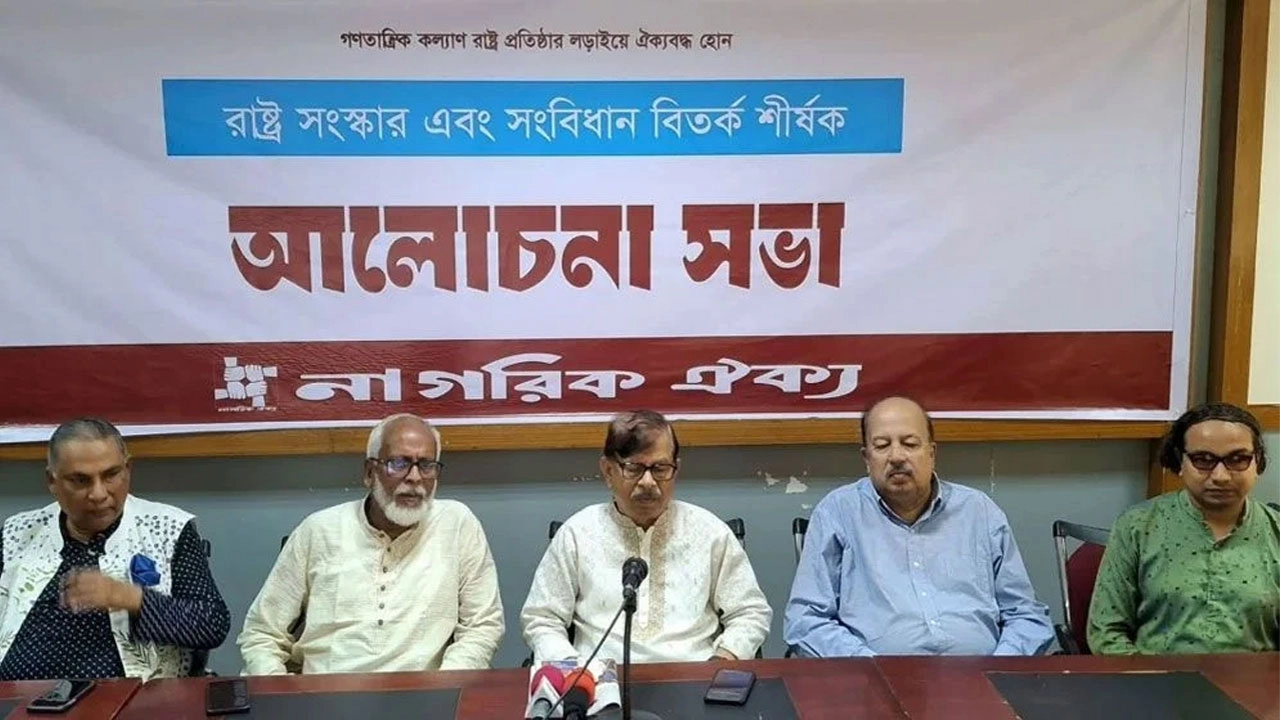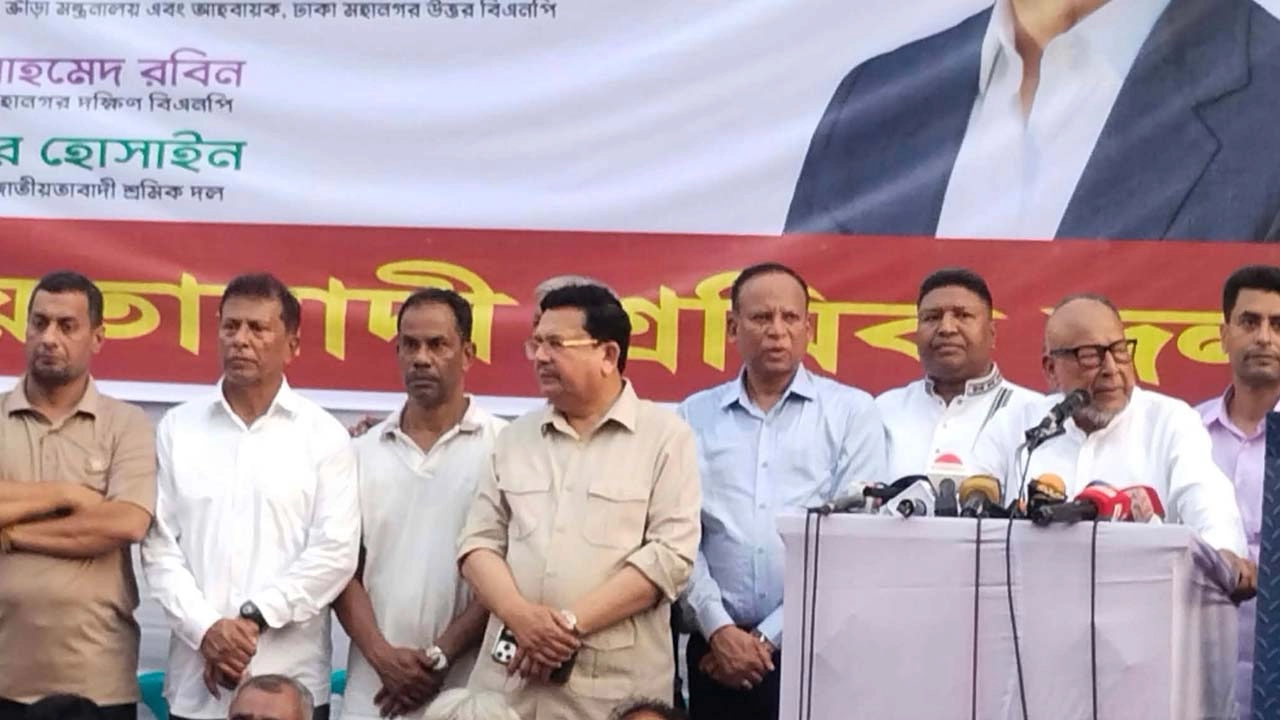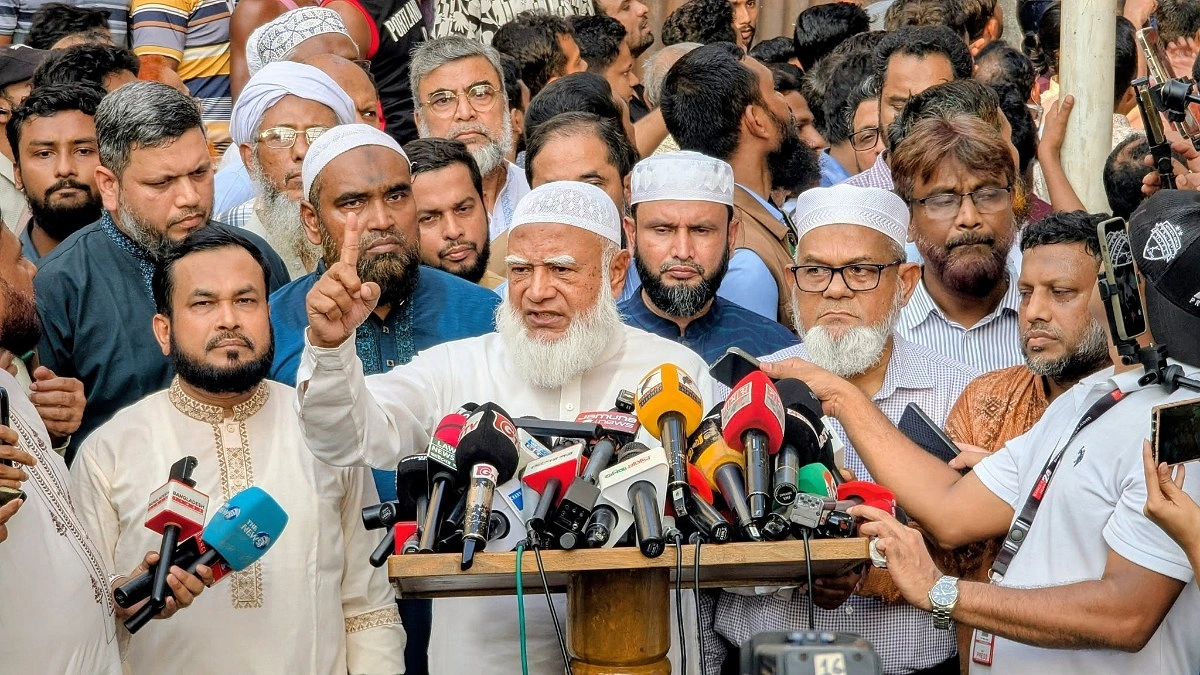




According to Police Headquarters data, a total of 1,091 murders occurred across the country from February to June this year. Meanwhile, according to the human rights organization Ain o Salish Kendra (ASK), among the 38 leaders and activists killed from February to July 28, there were 21 BNP members, 8 from Juba Dal, 2 from Chhatra Dal, 2 from Sramik Dal, 2 from Krishak Dal, 2 from Swechchhasebak Dal, and 1 from Tati Dal.

The latest incident occurred on the night of July 24 in the capital's Kafrul area, where Juba Dal activist Md. Yusuf Ali Parvez was killed in a shooting by criminals. Another Juba Dal activist and a vegetable vendor were injured in the attack. Police investigations revealed that hired gunmen from Jhenaidah and Magura were brought in under a contract of Tk 25 lakh to kill Kafrul Thana Juba Dal Member Secretary Hafizul Islam Babu. However, stray bullets killed Parvez instead. The investigation uncovered disputes over waste management, footpath control, business interests, and tin-shed room occupancy. In connection with this incident, police and the Detective Branch have arrested eight people, including the hired shooters.

Earlier, on July 21, ward BNP activist Ibrahim Polash was hacked to death in the capital's Sabujbagh. The attackers severed both his wrists. Locals claimed that 10 to 15 people, including several Juba Dal leaders and activists, took part in the attack driven by old enmity.
On July 15, Zahidul Alam Jahangir, the suspended president of Mithamain Upazila BNP in Kishoreganj, was hacked to death. Investigations revealed that the murder was carried out through hired criminals following a dispute with a local Chhatra Dal leader.

Prior to that, on June 8, Billal Hossain, former convener of Ramna Thana Swechchhasebak Dal, was stabbed to death in the capital's Mouchak area. Police believe the murder stemmed from a dispute over footpath control and extortion.

Additionally, BNP activist Raju Ahmed in Sonargaon, Narayanganj; Juba Dal leader Masudul Haque Chowdhury in Raozan, Chattogram; BNP leader Rafiqul Islam in Khulna; BNP activist Rana Mia in Mymensingh; and Krishak Dal president Badal Morol in Bagerhat were killed in separate incidents.
According to the human rights organization Human Rights Support Society (HRSS), from January to March, during the three-month period surrounding the national parliamentary elections, 610 incidents of political violence occurred. These resulted in 36 deaths and 4,078 injuries.
The report stated that among these incidents, 573 were related to internal disputes within the BNP or clashes between the BNP and other political parties. Among the deceased, 28 were from the BNP, 4 from Jamaat-e-Islami, 1 from Awami League, and 3 from other parties. During the same period, 194 incidents of internal BNP feuds left 1,585 injured and 24 dead. Additionally, 7 deaths were reported in BNP-Jamaat clashes and 3 in BNP-Awami League clashes.
In 395 election-related violence incidents, 2,573 people were injured and 12 were killed. During the same period, over 600 homes, businesses, and election offices were attacked, vandalized, looted, and set on fire.
BNP Senior Joint Secretary General and Advisor to the Prime Minister, Ruhul Kabir Rizvi, claimed that party leaders and activists across the country are being targeted by militant groups. He called on the administration to take strict action against those involved in these incidents.
Additional Commissioner of Dhaka Metropolitan Detective Police, Shafiqul Islam, said efforts are underway to quickly identify and bring to justice those involved in each murder. According to him, most incidents are driven by local dominance, footpath control, waste trade, land grabbing, and business control disputes, and in many cases, hired shooters are being brought in from outside districts.
Touhidul Haque, Associate Professor at the Institute of Social Welfare, University of Dhaka and a criminologist, believes that political violence is increasing over control of illegal economic sectors such as footpath control, waste trade, transport, and grab-based businesses. He said that unless control over these illegal economic activities is stopped, the rule of law is ensured, and impartial investigations and trials for each murder are guaranteed, political violence may escalate further.