

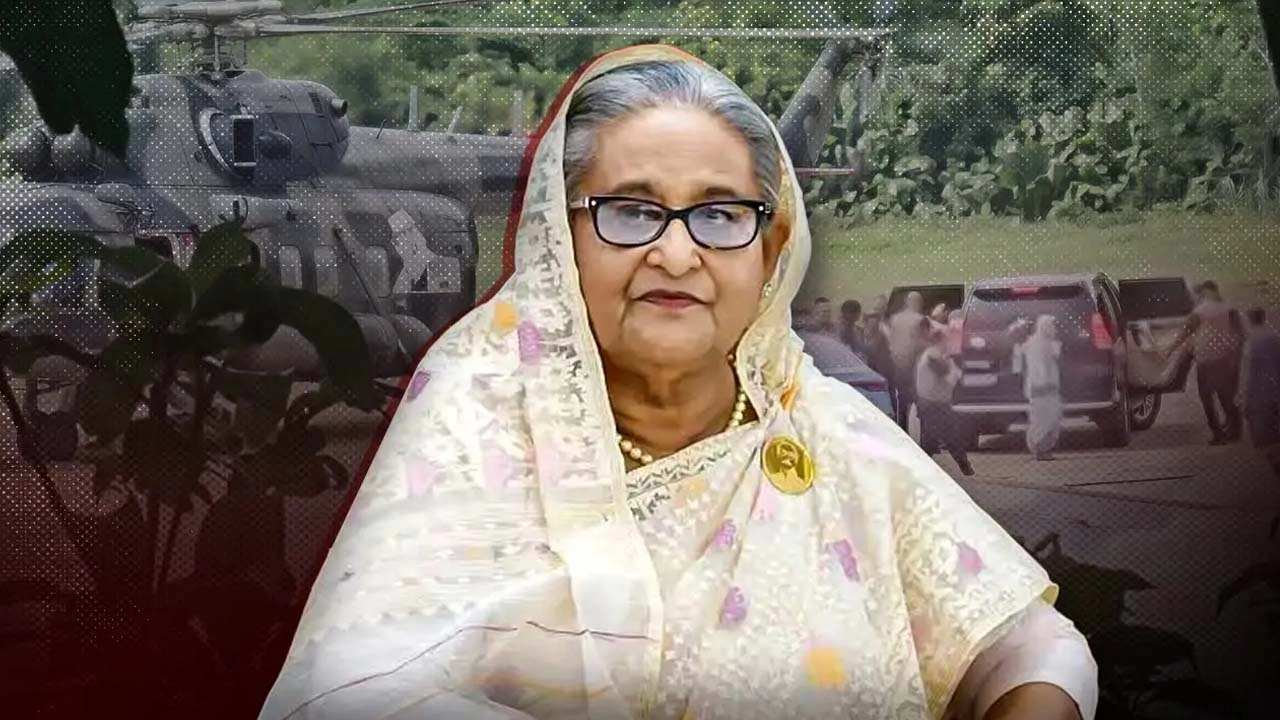

According to the BBC report, Indian External Affairs Minister S. Jaishankar explained the decision to grant shelter to Hasina during an all-party meeting at Parliament House Annexe. New Delhi’s official stance was that this was a "temporary" arrangement for "security reasons." However, what was meant to be short-term has now stretched into over two years, with no clear resolution. Tensions flared when Hasina joined a virtual press conference at the Foreign Correspondents’ Club (FCC) in Delhi on the second anniversary of August 5. Bangladesh’s Ministry of Foreign Affairs issued a strong protest that very night, expressing anger over India’s perceived complicity.

While India has officially denied any involvement in that press conference, maintaining that Hasina spoke in her "individual capacity," Dhaka believes such an event could not have taken place without Indian consent. Delhi officials have reportedly said that since Hasina is a state guest, not a political prisoner, imposing restrictions on her is difficult. Meanwhile, Bangladesh has sought her extradition on charges of crimes against humanity, for which she is a condemned convict in a Bangladeshi court. India has remained silent on this request, causing bilateral talks—including the Ganges water treaty and trade issues—to stall. Observers note that unlike the Dalai Lama, who became an "asset" for India, Sheikh Hasina has increasingly turned into a "liability" for Delhi.

The Diplomat’s report adds that Hasina’s press conference has pushed Bangladesh-India relations to a critical juncture. Even Indian journalists believe such an event in New Delhi could not have occurred without government approval. Questions have also been raised about cricketer Shakib Al Hasan’s involvement—he joined virtually from home after being on the field, leading some Indian journalists to question his sincerity. The Bangladeshi government, led by the BNP, has reacted sharply, with the Foreign Ministry calling the event a disrespect to Bangladesh’s sovereignty and an insult to the martyrs of the July Revolution.
Despite repeated requests from Dhaka to curb Hasina’s political activities and repatriate her for trial, Delhi has yet to respond. However, speculation suggests that if Hasina voluntarily returns, bilateral tensions could ease, and India is reportedly in back-channel talks with several European countries regarding her possible return—though India’s Ministry of External Affairs has declined to comment on the matter.